Dedicated to the manufacture of potentiometers, encoders, switches and sensors


Understanding Rotary Potentiometers: Functionality and Applications
Jan 24,2026
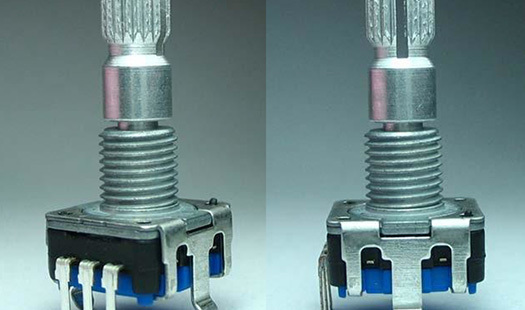
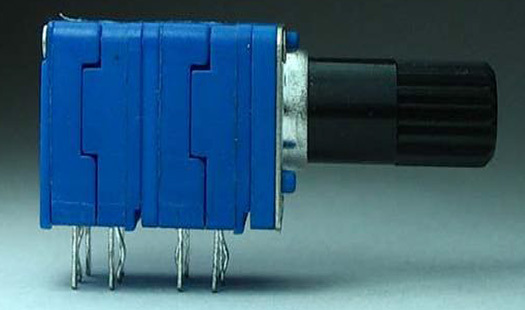
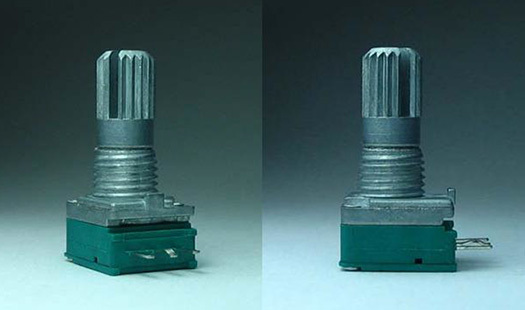
A rotary potentiometer is a type of variable resistor that plays a crucial role in electronic circuits by adjusting voltage levels and controlling current flow. This device typically consists of a resistive element and a rotating shaft, allowing users to modify the resistance manually. The key feature of a potentiometer rotary is its ability to provide a variable output, making it an invaluable co
A rotary potentiometer is a type of variable resistor that plays a crucial role in electronic circuits by adjusting voltage levels and controlling current flow. This device typically consists of a resistive element and a rotating shaft, allowing users to modify the resistance manually. The key feature of a potentiometer rotary is its ability to provide a variable output, making it an invaluable component in numerous electronic applications.
The basic operation of a rotary potentiometer involves a wiper that moves along a resistive track as the knob is turned. This movement alters the resistance and, consequently, the voltage output. Users can seamlessly transition between different resistance values, which is particularly useful in applications like volume controls in audio equipment, brightness adjustment in lighting systems, and tuning in radio receivers. These devices can vary in design, including linear and logarithmic taper profiles, catering to specific needs depending on the intended application.
One of the standout features of rotary potentiometers is their versatility. They come in various sizes, shapes, and resistance values, which makes them suitable for a wide range of devices. In consumer electronics, for instance, they are commonly used in audio mixers, where precise control over sound levels is necessary. In industrial settings, rotary potentiometers can be found in control panels for machinery, enabling operators to fine-tune performance settings with ease.
Another significant advantage of using a potentiometer rotary is its durability. Many models are designed to withstand extensive use, featuring robust materials that ensure longevity. Additionally, they can be sealed to protect against dust and moisture, making them ideal for outdoor applications or harsh environments. The mechanical design allows for reliable operation over a long period, which is essential in critical systems where consistent performance is required.
However, when selecting a rotary potentiometer, it is essential to consider factors such as power rating, tolerance, and the total resistance value. Understanding these parameters can help in choosing the right component that meets the specific demands of the circuit. Proper installation and maintenance are also crucial to ensure the longevity and reliability of the device.
In summary, rotary potentiometers are essential components in electronics, providing variable resistance and enabling control over voltage and current. Their wide array of applications, from consumer products to industrial machinery, underscores their importance in modern technology. By choosing the right type of potentiometer rotary and understanding its functionality, users can enhance their electronic projects significantly and achieve optimal performance.
More Information
More Information
RECOMMENDED

Request Quote
Mobile: +86-13902648085
Email: tq@tianqiandz.com
Whatsapp: +86-19939624301
website: https://en.tianqiandz.com/


Request Quote