Dedicated to the manufacture of potentiometers, encoders, switches and sensors


Understanding 10 k Potentiometers: Key Insights for Professional Applications
Feb 23,2026
Potentiometers are fundamental components in various electronic applications, and the 10 k potentiometer is one of the most common values used in the industry. Its versatility makes it a popular choice for professionals who require reliable and adjustable resistance in their circuits.
A potentiometer is essentially a three-terminal resistor with a rotating or sliding contact that forms an adjustab
Potentiometers are fundamental components in various electronic applications, and the 10 k potentiometer is one of the most common values used in the industry. Its versatility makes it a popular choice for professionals who require reliable and adjustable resistance in their circuits.
A potentiometer is essentially a three-terminal resistor with a rotating or sliding contact that forms an adjustable voltage divider. When considering a 10 k potentiometer, it is important to understand that it can vary resistance from 0 ohms up to 10,000 ohms. This adjustability is crucial for applications requiring precise control, such as in audio equipment, sensor calibration, and circuit tuning.
One of the key features of a 10 k potentiometer is its linear or logarithmic taper. Linear taper potentiometers provide a consistent change in resistance with respect to the movement of the wiper, making them ideal for applications where a proportional response is desired. On the other hand, logarithmic taper potentiometers are better suited for audio or signal applications, as they match the human ear's response to loudness.
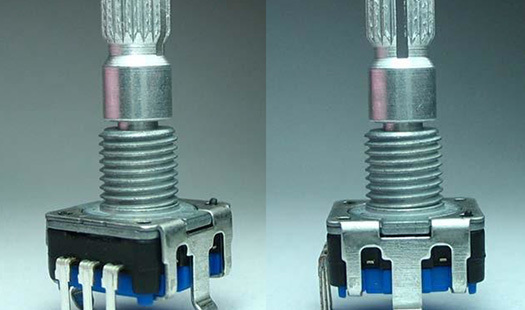
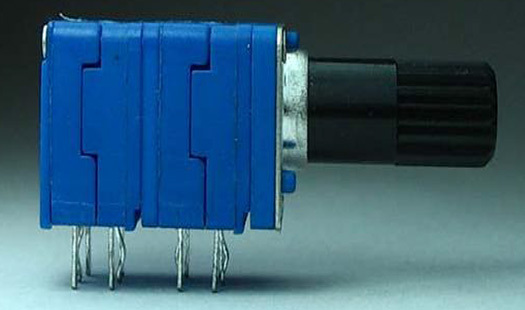
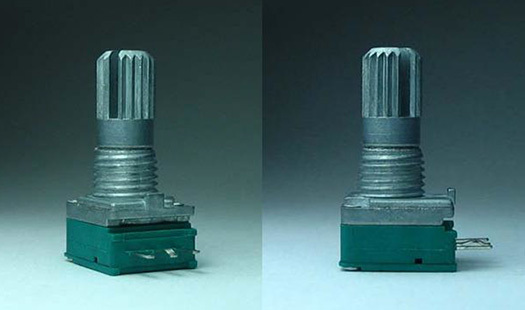
Another aspect to consider is the physical construction of the potentiometer. They can be found in various forms, including rotary, slide, and digital formats. Each type has its advantages; for instance, rotary potentiometers are often used in volume controls, while slide potentiometers are commonly found in mixing consoles. The choice of form factor may depend on the specific requirements of your project.
In addition to resistance value and taper, the power rating of a 10 k potentiometer is also critical. It defines the maximum amount of power the component can handle without failing. For most applications, a standard 0.1W to 1W rating is sufficient, but it’s essential to ensure that your potentiometer operates within its rated limits to prevent overheating and ensure longevity.
Finally, when integrating a 10 k potentiometer into your designs, layout and connection are paramount. Proper soldering techniques and placement on the PCB can significantly affect performance and reliability. Always consider the signal path and potential interference when positioning the potentiometer within your circuit.
In conclusion, the 10 k potentiometer is a versatile and essential component that can enhance a wide range of electronic applications. By understanding its characteristics, including taper type, construction, and power rating, professionals can effectively utilize this component in their designs, ensuring optimal performance and reliability in their projects.
A potentiometer is essentially a three-terminal resistor with a rotating or sliding contact that forms an adjustable voltage divider. When considering a 10 k potentiometer, it is important to understand that it can vary resistance from 0 ohms up to 10,000 ohms. This adjustability is crucial for applications requiring precise control, such as in audio equipment, sensor calibration, and circuit tuning.
One of the key features of a 10 k potentiometer is its linear or logarithmic taper. Linear taper potentiometers provide a consistent change in resistance with respect to the movement of the wiper, making them ideal for applications where a proportional response is desired. On the other hand, logarithmic taper potentiometers are better suited for audio or signal applications, as they match the human ear's response to loudness.
Another aspect to consider is the physical construction of the potentiometer. They can be found in various forms, including rotary, slide, and digital formats. Each type has its advantages; for instance, rotary potentiometers are often used in volume controls, while slide potentiometers are commonly found in mixing consoles. The choice of form factor may depend on the specific requirements of your project.
In addition to resistance value and taper, the power rating of a 10 k potentiometer is also critical. It defines the maximum amount of power the component can handle without failing. For most applications, a standard 0.1W to 1W rating is sufficient, but it’s essential to ensure that your potentiometer operates within its rated limits to prevent overheating and ensure longevity.
Finally, when integrating a 10 k potentiometer into your designs, layout and connection are paramount. Proper soldering techniques and placement on the PCB can significantly affect performance and reliability. Always consider the signal path and potential interference when positioning the potentiometer within your circuit.
In conclusion, the 10 k potentiometer is a versatile and essential component that can enhance a wide range of electronic applications. By understanding its characteristics, including taper type, construction, and power rating, professionals can effectively utilize this component in their designs, ensuring optimal performance and reliability in their projects.
More Information
More Information
RECOMMENDED

Request Quote
Mobile: +86-13902648085
Email: tq@tianqiandz.com
Whatsapp: +86-19939624301
website: https://en.tianqiandz.com/


Request Quote