Dedicated to the manufacture of potentiometers, encoders, switches and sensors

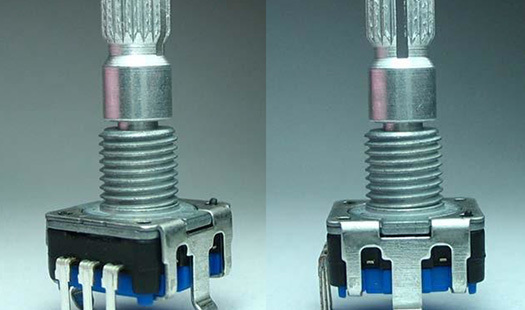
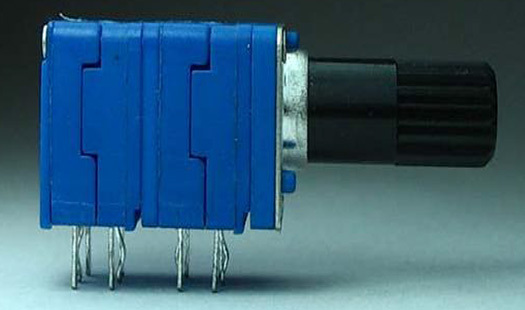

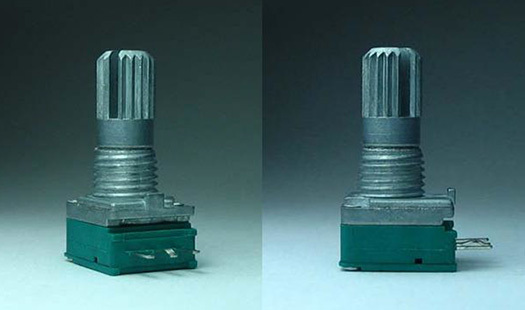
How to Choose the Right Potentiometer: Spotlight on 22k Variants
Feb 28,2026
How to Choose the Right Potentiometer: Spotlight on 22k Variants
Table of Contents
- Understanding Potentiometers
- Types of Potentiometers
- Importance of Value Selection
- Exploring 22k Potentiometers
- Key Specifications to Consider
- Potentiometer Applications
- Choosing the Right Potentiometer
- Frequently Asked Questions
- Conclusion
Understanding Potentiometers
A potentiometer is a three-terminal electrical component that functions as an adjustable voltage divider. They are widely used in various electronic applications, including audio equipment, power control, and sensor calibration. The ability to adjust resistance allows users to control voltage and current flow, making them invaluable in circuit design.
What is a Potentiometer?
In its simplest form, a potentiometer consists of a resistive element and a movable wiper. As the wiper moves along the resistive element, it taps off a portion of the total voltage, allowing for adjustments in output. This mechanism makes potentiometers essential tools in achieving desired electrical characteristics in circuits.
Why Use Potentiometers?
Potentiometers provide an easy and intuitive way to adjust electrical parameters. Their versatility allows them to be used in applications ranging from volume controls in audio systems to tuning circuits in radio transmitters. By understanding how to choose the right potentiometer, engineers and hobbyists can optimize their designs for performance and efficiency.
Types of Potentiometers
Potentiometers come in various types, each suited for specific applications. Understanding these types can help you make a more informed choice when selecting a potentiometer.
Linear Potentiometers
Linear potentiometers feature a resistive element that provides a linear change in resistance as the wiper moves. This type is often used in applications requiring precise adjustments, such as audio equipment and sensor calibration.
Logarithmic Potentiometers
Logarithmic potentiometers are designed to change resistance logarithmically rather than linearly. This characteristic makes them ideal for applications like audio volume controls, where human perception of sound is logarithmic.
Digital Potentiometers
Digital potentiometers use electronic components to change resistance, allowing for remote adjustments via digital signals. They are commonly employed in modern electronic devices for enhanced functionality and precise control.
Importance of Value Selection
Selecting the correct resistance value for a potentiometer is crucial for achieving optimal performance in your application. The value determines the range of adjustment and the overall behavior of the circuit.
Resistance Value
Resistance values are typically measured in ohms, and the choice of value affects how the potentiometer interacts with other components in the circuit. For instance, a 22k potentiometer offers a balance between sensitivity and stability, making it a popular choice for various applications.
Power Rating
Each potentiometer has a power rating that indicates the maximum power it can handle without damage. Choosing a potentiometer with an appropriate power rating is essential to prevent overheating and ensure longevity.
Exploring 22k Potentiometers
The 22k potentiometer is particularly well-regarded in both hobbyist and professional circles. Its moderate resistance value makes it suitable for numerous applications where precise control is necessary.
Advantages of 22k Potentiometers
- Versatility: 22k potentiometers can be used in various applications, from audio adjustments to light dimming.
- Sensitivity: The 22k value allows for fine-tuning without being overly sensitive, making it easier to achieve the desired effect.
- Availability: Given their popularity, 22k potentiometers are readily available from multiple manufacturers, ensuring competitive pricing and options.
Common Applications
Some common applications of 22k potentiometers include:
- Audio equipment for volume and tone control.
- Radio frequency circuits for tuning.
- Sensor calibration for precise measurements.
Key Specifications to Consider
When selecting a potentiometer, several critical specifications must be taken into account to ensure compatibility and performance.
Mechanical and Electrical Specifications
These specifications detail the physical and electrical properties of a potentiometer:
- Resistance Tolerance: This indicates how much the actual resistance may vary from the specified value, typically expressed as a percentage.
- Temperature Coefficient: This measures how resistance changes with temperature, providing insight into performance in varying conditions.
- Wiper Type: Choose between linear or rotary types based on application requirements.
Environmental Considerations
Understanding the environmental conditions the potentiometer will face is essential. Look for specifications regarding humidity, temperature ranges, and potential exposure to contaminants.
Potentiometer Applications
Potentiometers are found in a multitude of devices across various industries, making them indispensable components in modern electronics.
Consumer Electronics
Many consumer electronics utilize potentiometers for user control, such as volume knobs in speakers, brightness controls in displays, and tuning knobs in radios.
Industrial Applications
In industrial settings, potentiometers serve as feedback devices in automation systems, helping to manage and control machinery and processes effectively.
Medical Devices
Potentiometers are also used in medical devices for precise calibration and adjustments, ensuring that equipment operates within required parameters.
Choosing the Right Potentiometer
To select the right potentiometer, it is essential to consider the specific requirements of your project. Follow these guidelines to make an informed decision:
Assess Your Needs
Begin by assessing the requirements of your application. Consider the following:
- What is the required resistance value?
- What type of potentiometer is best suited for your application (linear or logarithmic)?
- What power rating is necessary to handle the circuit's demands?
Evaluate Quality and Reliability
Choose high-quality potentiometers from reputable manufacturers to ensure reliability and longevity. Research reviews and specifications to select components that meet your standards.
Consider Budget Constraints
While quality is essential, budgeting is also a critical aspect of component selection. Compare prices and features across different suppliers to find the best value for your specific needs.
Frequently Asked Questions
1. What is the difference between a linear and logarithmic potentiometer?
Linear potentiometers provide a direct relationship between wiper movement and resistance change, while logarithmic potentiometers change resistance in a logarithmic manner, making them ideal for audio applications.
2. How do I calculate the total resistance of a potentiometer in a circuit?
Total resistance in a circuit with a potentiometer can be calculated based on the position of the wiper, which divides the total resistance into two parts—one connected to ground and the other to the power supply.
3. Can I use a potentiometer in a high-power application?
Using a potentiometer in high-power applications requires careful consideration of the power rating. Always select a potentiometer rated for the expected power levels to avoid damage or failure.
4. How can I ensure the longevity of my potentiometer?
To prolong the life of your potentiometer, avoid exceeding its power rating, protect it from environmental contaminants, and ensure it is installed correctly in your circuit.
5. What are some alternatives to potentiometers?
Alternatives to potentiometers include digital potentiometers, variable resistors, and programmable gain amplifiers, each with specific use cases depending on the application requirements.
Conclusion
Choosing the right potentiometer, particularly the 22k variants, is vital for achieving optimal performance in your electronic projects. By understanding the different types, key specifications, and application scenarios, you can make informed decisions that enhance your circuit designs. Always consider your specific needs and budget while prioritizing quality to ensure reliability and longevity in your applications. With this guide in hand, you're now equipped to navigate the world of potentiometers with confidence!
More Information
More Information
RECOMMENDED

Request Quote
Mobile: +86-13902648085
Email: tq@tianqiandz.com
Whatsapp: +86-19939624301
website: https://en.tianqiandz.com/


Request Quote