Dedicated to the manufacture of potentiometers, encoders, switches and sensors


How Dual Gang Potentiometers Enhance Circuit Performance
Feb 18,2026
How Dual Gang Potentiometers Enhance Circuit Performance
Table of Contents
1. Introduction to Dual Gang Potentiometers
2. Understanding Potentiometers: A Brief Overview
3. What is a Dual Gang Potentiometer?
4. Advantages of Dual Gang Potentiometers in Circuit Design
5. Application Areas for Dual Gang Potentiometers
6. Enhancing Performance with Dual Gang Potentiometers
How Dual Gang Potentiometers Enhance Circuit Performance
Table of Contents
- 1. Introduction to Dual Gang Potentiometers
- 2. Understanding Potentiometers: A Brief Overview
- 3. What is a Dual Gang Potentiometer?
- 4. Advantages of Dual Gang Potentiometers in Circuit Design
- 5. Application Areas for Dual Gang Potentiometers
- 6. Enhancing Performance with Dual Gang Potentiometers
- 7. Installation and Configuration Tips
- 8. Troubleshooting Common Issues with Dual Gang Potentiometers
- 9. FAQs
- 10. Conclusion
1. Introduction to Dual Gang Potentiometers
In the ever-evolving world of electronics, the demand for precision and performance is paramount. Among various components that contribute to these attributes, dual gang potentiometers have gained significant attention. These devices not only enhance the functionality of circuits but also offer unparalleled control and versatility in applications ranging from audio equipment to industrial machinery. In this article, we will delve into the intricacies of dual gang potentiometers, exploring their design, benefits, applications, and much more.
2. Understanding Potentiometers: A Brief Overview
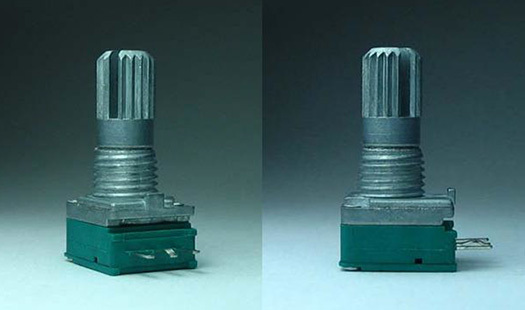
Potentiometers are essential components in electronic circuits that act as variable resistors. They allow users to adjust resistance levels, thereby controlling the flow of electrical current. This adjustment is crucial for numerous applications, including volume control in audio devices, brightness control in displays, and tuning in radios.
The basic structure of a potentiometer includes a resistive element and a wiper that slides along this element to create varying resistance. The ability to provide smooth transitions in resistance makes potentiometers indispensable in circuit design.
3. What is a Dual Gang Potentiometer?
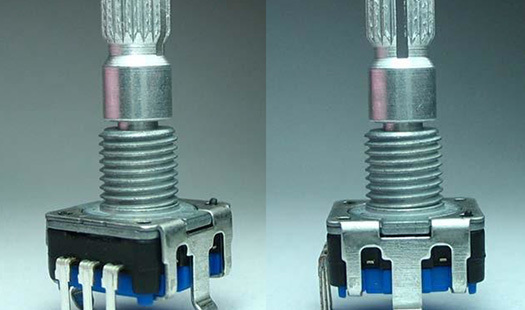
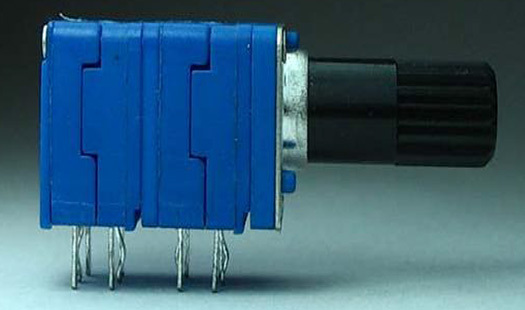
A dual gang potentiometer essentially consists of two separate potentiometers housed within a single casing. Each gang operates independently, allowing for simultaneous control of two circuits. This design is particularly advantageous in applications that require synchronized adjustments, such as in stereo audio systems where volume and balance must be controlled collectively.
The dual gang configuration can be visualized as two shafts, each connected to its resistive element. As one shaft is turned, both pots adjust their resistance levels, ensuring that the circuit remains balanced and responsive.
4. Advantages of Dual Gang Potentiometers in Circuit Design
Implementing dual gang potentiometers in circuit designs offers numerous advantages:
4.1 Enhanced Control
With dual gang potentiometers, users can achieve fine-tuned control over two parameters simultaneously. This is especially beneficial in audio engineering, where adjusting both the volume and tone can be done with a single control interface.
4.2 Space Efficiency
Designing with a dual gang potentiometer allows engineers to save space on circuit boards. Instead of incorporating two separate components, a dual gang potentiometer consolidates functionality into one device, streamlining design and reducing the risk of errors during assembly.
4.3 Improved Performance Consistency
By using a single component to manage two functions, dual gang potentiometers ensure that adjustments remain consistent. This consistency is critical in maintaining the quality of audio signals, for instance, where discrepancies between separate components can lead to unwanted noise or distortion.
5. Application Areas for Dual Gang Potentiometers
The versatility of dual gang potentiometers allows them to be employed in various fields:
5.1 Audio Devices
In audio applications, dual gang potentiometers are extensively used for volume control, balance adjustment, and tone control. They enable seamless audio tuning by allowing simultaneous adjustments.
5.2 Instrumentation and Measurement Equipment
Measurement devices often require precision control over multiple parameters. Dual gang potentiometers facilitate this by allowing users to calibrate readings and settings with ease.
5.3 Consumer Electronics
Many consumer electronics, such as televisions, radios, and gaming devices, utilize dual gang potentiometers to enhance user experience through intuitive control interfaces.
6. Enhancing Performance with Dual Gang Potentiometers
Integrating dual gang potentiometers into circuit designs can significantly enhance overall performance. Here’s how:
6.1 Improved Signal Integrity
By maintaining balanced resistance levels across two channels, dual gang potentiometers help to preserve signal integrity. This is crucial in high-fidelity audio systems where sound quality is paramount.
6.2 Versatile Functionalities
With the ability to control two functions simultaneously, dual gang potentiometers offer versatile applications in any design. This flexibility can lead to innovative product designs that cater to specific user needs.
6.3 Streamlined Workflow
Using dual gang potentiometers simplifies the design process for engineers. This leads to shorter development cycles and quicker time-to-market for products.
7. Installation and Configuration Tips
Installing and configuring dual gang potentiometers requires attention to detail. Here are some best practices:
7.1 Proper Sizing
Ensure that the dual gang potentiometer fits the designated space on the circuit board. Measure the dimensions accurately to avoid compatibility issues.
7.2 Correct Wiring
Follow the manufacturer’s wiring guidelines to ensure proper electrical connections. Incorrect wiring can lead to malfunction or damage.
7.3 Testing After Installation
After installation, it’s essential to test the potentiometer to confirm its functionality. Adjust the knob and verify that both channels respond appropriately.
8. Troubleshooting Common Issues with Dual Gang Potentiometers
Despite their advantages, issues can arise with dual gang potentiometers. Here’s how to troubleshoot some common problems:
8.1 Unresponsive Controls
If the potentiometer does not respond, check the wiring and connections. Ensure that there are no loose or damaged wires that could hinder functionality.
8.2 Uneven Resistance
In instances where the resistance levels are uneven, inspect the internal components for wear or damage. Replacing the potentiometer may be necessary if it’s malfunctioning.
8.3 Noise or Distortion in Output
If noise or distortion occurs in the output signal, confirm that the potentiometer is clean and free from debris. Dust accumulation can cause interference. Cleaning the component can often resolve this issue.
9. FAQs
9.1 What is the difference between a single gang and a dual gang potentiometer?
A single gang potentiometer controls one circuit, while a dual gang potentiometer controls two circuits simultaneously, providing enhanced control and efficiency.
9.2 Can dual gang potentiometers be used in digital circuits?
Yes, dual gang potentiometers can be integrated into both analog and digital circuits, depending on their specifications and design requirements.
9.3 How do I choose the right dual gang potentiometer for my project?
Consider factors including resistance value, taper type, physical dimensions, and intended application to select the appropriate dual gang potentiometer for your needs.
9.4 Are dual gang potentiometers more expensive than single gang potentiometers?
Generally, dual gang potentiometers may be slightly more expensive due to their complexity, but they provide added value through their multifunctionality.
9.5 How do I maintain dual gang potentiometers?
Regular inspection and cleaning can help maintain the performance of dual gang potentiometers. Ensure they are free from dust and debris, and check for any signs of wear or damage.
10. Conclusion
Dual gang potentiometers play a crucial role in enhancing the performance of electronic circuits. Their ability to facilitate precise control over multiple parameters, combined with their space-efficient design, makes them an indispensable component in modern electronics. Whether in audio systems, instrumentation, or consumer electronics, dual gang potentiometers provide the versatility and reliability needed for optimal circuit performance. By understanding their advantages, applications, and best practices for installation and troubleshooting, engineers and designers can leverage these components to create innovative and high-performing electronic solutions.
More Information
More Information
RECOMMENDED

Request Quote
Mobile: +86-13902648085
Email: tq@tianqiandz.com
Whatsapp: +86-19939624301
website: https://en.tianqiandz.com/


Request Quote