Dedicated to the manufacture of potentiometers, encoders, switches and sensors

Exploring the Functionality of Rocker Potentiometers in Circuits: A Comprehensive Guide
Jan 19,2026
Exploring the Functionality of Rocker Potentiometers in Circuits
Table of Contents
1. Introduction to Rocker Potentiometers
2. What is a Potentiometer?
3. Types of Potentiometers
3.1 Linear Potentiometers
3.2 Logarithmic Potentiometers
3.3 Rocker Potentiometers
4. The Role of Rocker Potentiometers in Circuits
5. Advantages of Using Rocker Potentiometers
6. Practical Applications of Rocker Potentio
Exploring the Functionality of Rocker Potentiometers in Circuits
Table of Contents
1. Introduction to Rocker Potentiometers
2. What is a Potentiometer?
3. Types of Potentiometers
3.1 Linear Potentiometers
3.2 Logarithmic Potentiometers
3.3 Rocker Potentiometers
4. The Role of Rocker Potentiometers in Circuits
5. Advantages of Using Rocker Potentiometers
6. Practical Applications of Rocker Potentiometers
6.1 Audio Equipment
6.2 Lighting Control Systems
6.3 Consumer Electronics
7. How to Choose the Right Rocker Potentiometer
8. FAQs about Rocker Potentiometers
9. Conclusion
1. Introduction to Rocker Potentiometers
Rocker potentiometers serve as vital components in electronic circuits, enabling users to adjust resistance and control various functions within devices. Unlike traditional potentiometers, rocker potentiometers employ a unique mechanism allowing for easier and more intuitive operation. This article will explore their functionality, types, applications, and much more.
2. What is a Potentiometer?
A potentiometer is an electronic component that functions as a variable resistor. It allows the user to adjust the resistance level within a circuit by turning a knob or moving a slider. Potentiometers can be found in numerous devices, including audio mixers, televisions, and many other electronic systems. The fundamental principle behind potentiometers is the adjustment of voltage within a circuit, enabling control over various functionalities.
3. Types of Potentiometers
In the realm of potentiometers, several types exist, each designed for specific applications. Understanding these types is crucial for selecting the right component for your project.
3.1 Linear Potentiometers
Linear potentiometers provide a consistent change in resistance as they are adjusted linearly. This type is primarily employed in applications requiring precise adjustments, such as audio devices and measurement equipment.
3.2 Logarithmic Potentiometers
Logarithmic potentiometers are designed for applications where sound levels are perceived logarithmically, such as audio volume controls. They offer a more natural adjustment experience for users, aligning with how we perceive changes in sound loudness.
3.3 Rocker Potentiometers
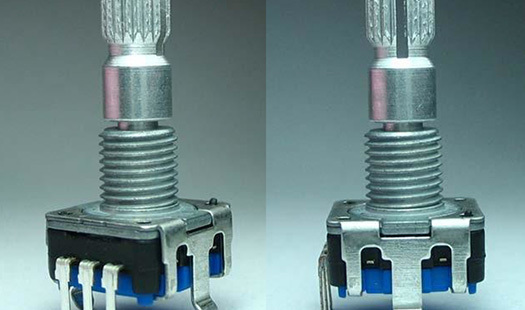
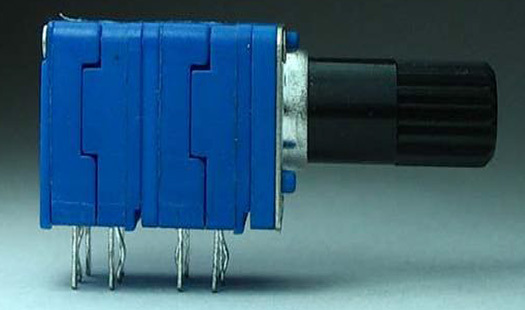
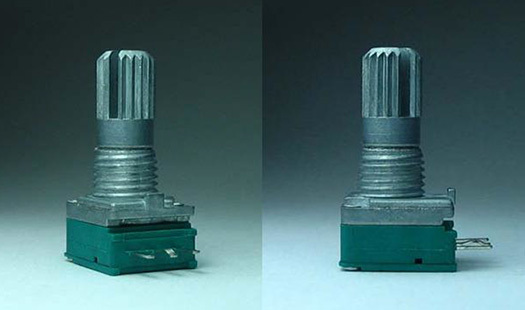
Rocker potentiometers are a specialized type of potentiometer featuring a rocker switch mechanism. They are designed for ease of use and are commonly found in consumer electronics, lighting controls, and other applications where intuitive operation is essential.
4. The Role of Rocker Potentiometers in Circuits
Rocker potentiometers play a significant role in circuits by enabling users to easily adjust settings. Their functionality includes controlling volume levels, dimming lights, and managing various electronic functions. The design of rocker potentiometers allows for a tactile, user-friendly experience, which enhances the overall usability of electronic devices.
5. Advantages of Using Rocker Potentiometers
The benefits of rocker potentiometers extend beyond their ease of use. They offer several advantages, including:
1. **User-Friendly Design**: The rocker mechanism allows for quick and intuitive adjustments, making it accessible for users of all technical levels.
2. **Durability**: Rocker potentiometers are typically built to withstand repeated use, providing long-term reliability in various applications.
3. **Compact Size**: Their small footprint makes them ideal for space-constrained environments, allowing for efficient integration into designs.
4. **Versatility**: These components can be used in various applications, from consumer electronics to industrial equipment, showcasing their flexibility.
6. Practical Applications of Rocker Potentiometers
Rocker potentiometers find use in a wide array of applications, where their unique functionality enhances the user experience.
6.1 Audio Equipment
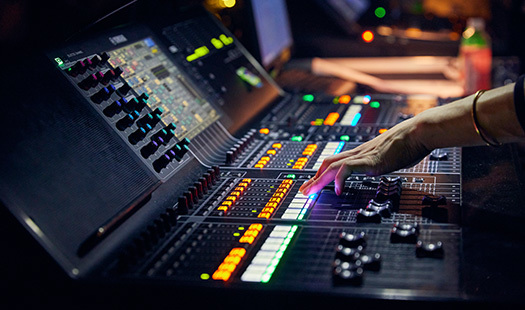
In audio equipment, rocker potentiometers are commonly used to control volume levels and tone adjustments. Their tactile feedback provides users with a clear understanding of their settings, enhancing the overall audio experience.
6.2 Lighting Control Systems
In lighting systems, rocker potentiometers allow users to adjust brightness levels smoothly. This functionality is essential in creating the desired ambiance in residential and commercial settings.
6.3 Consumer Electronics
From televisions to home theater systems, rocker potentiometers are integrated into numerous consumer electronics, providing users with an intuitive interface for controlling various settings.
7. How to Choose the Right Rocker Potentiometer
Selecting the appropriate rocker potentiometer for your project involves considering several factors:
1. **Resistance Value**: Determine the necessary resistance range for your application to ensure compatibility.
2. **Power Rating**: Assess the power requirements of your circuit to select a potentiometer that can handle the load.
3. **Form Factor**: Consider the physical dimensions of the potentiometer to ensure it fits within your device's design.
4. **Mounting Style**: Choose between vertical and horizontal mounting options based on your circuit layout.
5. **Durability**: Evaluate the expected usage conditions to select a potentiometer with appropriate durability.
8. FAQs about Rocker Potentiometers
What is the main difference between rocker potentiometers and traditional potentiometers?
Rocker potentiometers utilize a rocker switch mechanism for adjustments, making them more intuitive and user-friendly compared to traditional potentiometers, which often require turning a knob or sliding a lever.
Can rocker potentiometers be used in high-power applications?
Yes, rocker potentiometers can be used in high-power applications, but it is essential to select a component with an appropriate power rating to ensure reliability and safety.
Are rocker potentiometers suitable for outdoor use?
While some rocker potentiometers are designed for durability, it is crucial to choose models specifically rated for outdoor use to withstand environmental factors such as moisture and dust.
How do rocker potentiometers affect circuit performance?
Rocker potentiometers can significantly influence circuit performance by providing users with control over resistance and voltage levels, thus affecting functionality and responsiveness.
What are common brands of rocker potentiometers?
Several reputable brands manufacture rocker potentiometers, including Bourns, Vishay, and Alpha, each offering a range of products suitable for various applications.
9. Conclusion
Rocker potentiometers are indispensable components in the realm of electronic circuits, offering users intuitive control over various settings and functions. Their unique design and versatility make them a preferred choice in a multitude of applications, from audio equipment to consumer electronics. By understanding their functionality, advantages, and practical uses, engineers and enthusiasts alike can leverage rocker potentiometers to enhance their projects and create superior user experiences. As technology continues to advance, the importance of these components will only grow, making it essential for professionals in the field to stay informed about their capabilities and applications.
More Information
More Information
RECOMMENDED

Request Quote
Mobile: +86-13902648085
Email: tq@tianqiandz.com
Whatsapp: +86-19939624301
website: https://en.tianqiandz.com/


Request Quote