Dedicated to the manufacture of potentiometers, encoders, switches and sensors


The Comprehensive Guide to Potentiometer Switches: Unlocking the Essentials
Jan 29,2026
The Comprehensive Guide to Potentiometer Switches: Unlocking the Essentials
Table of Contents
1. Introduction to Potentiometer Switches
2. What is a Potentiometer?
3. Working Principle of Potentiometers
4. Types of Potentiometer Switches
4.1 Linear Potentiometers
4.2 Rotary Potentiometers
4.3 Digital Potentiometers
5.
The Comprehensive Guide to Potentiometer Switches: Unlocking the Essentials
Table of Contents
- 1. Introduction to Potentiometer Switches
- 2. What is a Potentiometer?
- 3. Working Principle of Potentiometers
- 4. Types of Potentiometer Switches
- 5. Applications of Potentiometers
- 6. Choosing the Right Potentiometer for Your Project
- 7. Troubleshooting Common Potentiometer Issues
- 8. FAQs About Potentiometer Switches
- 9. Conclusion
1. Introduction to Potentiometer Switches
Potentiometer switches are integral components in electronic devices that facilitate the adjustment of voltage levels, making them essential for a variety of applications. Understanding these components can significantly enhance both the design and functionality of electronic circuits. In this guide, we will delve into the fundamentals of potentiometer switches, exploring their structure, types, applications, and troubleshooting techniques.
2. What is a Potentiometer?
A potentiometer is a three-terminal resistor with a sliding or rotating contact that allows the user to adjust the resistance and, consequently, the voltage output. When used as a voltage divider, it enables fine-tuning of electrical signals within circuits. This adaptability makes potentiometers crucial in numerous applications, from audio equipment to lighting controls.
3. Working Principle of Potentiometers
To comprehend how potentiometers operate, consider their basic components: a resistive element and a wiper. The resistive element is usually a carbon or conductive plastic strip that provides variable resistance. As the wiper moves along this strip, it alters the resistance between the terminals, thus changing the output voltage.
In a voltage divider configuration, the output voltage can be calculated using the formula:
Vout = Vin * (R2 / (R1 + R2))
Where:
- Vout is the output voltage
- Vin is the input voltage
- R1 is the resistance from the input to the wiper
- R2 is the resistance from the wiper to the ground.
This fundamental principle underpins the functionality of potentiometers in various electronic circuits.
4. Types of Potentiometer Switches
Understanding the different types of potentiometer switches available can aid in selecting the right component for specific applications. Each type offers unique functionalities and characteristics.
4.1 Linear Potentiometers
Linear potentiometers have a straight resistive element, allowing the wiper to move linearly. These are primarily used in applications where precise adjustments are needed, such as in audio mixing consoles, where users require a smooth, linear response for sound adjustments.
4.2 Rotary Potentiometers
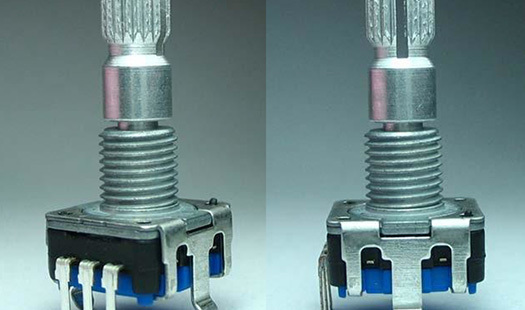
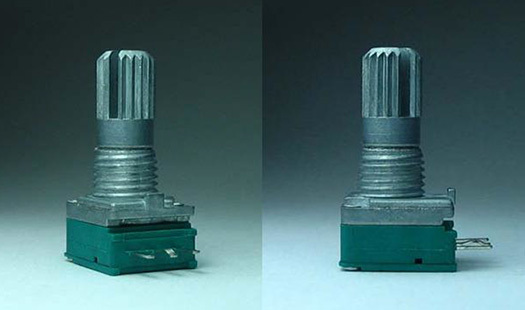
Rotary potentiometers feature a circular resistive path and are commonly found in devices like volume controls and tuning knobs. The rotation of the knob adjusts resistance, allowing users to easily modify settings. They are available in various resolutions, allowing for finer control based on user needs.
4.3 Digital Potentiometers
Digital potentiometers utilize electronic signals to control resistance rather than manual movement. They are ideal for applications requiring remote adjustments or integration into digital circuits. Digital potentiometers allow for programmable settings, making them suitable for modern electronic devices and systems.
5. Applications of Potentiometers
Potentiometers find their applications in a myriad of fields, each tailored to specific functions:
- **Audio Equipment**: Used in volume controls and equalizers, allowing users to adjust sound levels smoothly.
- **Consumer Electronics**: Found in devices like televisions and radios, helping users fine-tune settings for better user experience.
- **Industrial Controls**: Employed in heavy machinery for adjusting speed and torque, where precise control is crucial.
- **Sensor Calibration**: Utilized in sensor systems, enabling calibration of readings based on environmental changes.
- **Lighting Control**: Used in dimmer switches, allowing users to adjust the brightness of lights effortlessly.
Understanding these applications can help engineers and designers optimize their circuits for enhanced performance.
6. Choosing the Right Potentiometer for Your Project
Selecting the appropriate potentiometer for a project involves several considerations:
- **Resistance Value**: Choose a resistance value that fits your circuit requirements. Common values include 1kΩ, 10kΩ, and 100kΩ.
- **Type**: Decide between linear, rotary, or digital potentiometers based on the application.
- **Power Rating**: Ensure the potentiometer can handle the power it will be exposed to in the circuit. Exceeding the power rating can lead to failure.
- **Size and Mounting Type**: Consider the physical dimensions and mounting options (through-hole or surface mount) to ensure compatibility with your project layout.
By carefully evaluating these factors, you can select a potentiometer that enhances your circuit's performance and reliability.
7. Troubleshooting Common Potentiometer Issues
Despite their reliability, potentiometers can experience issues that may affect performance. Here are some common problems and their solutions:
- **No Output Signal**: If the potentiometer does not produce an output signal, check for loose connections or faulty wiring.
- **Noise in Output**: If the output signal is noisy or inconsistent, the potentiometer may have dirt or wear on the resistive element. Cleaning or replacing it may resolve the issue.
- **Resistance Drift**: Over time, the resistance value may change due to wear. Test with a multimeter and replace if necessary.
Regular maintenance and proper handling can prevent many of these issues, ensuring long-lasting performance.
8. FAQs About Potentiometer Switches
1. What is the lifespan of a potentiometer?
The lifespan of a potentiometer can vary based on its type and usage, but it typically ranges from 10,000 to 1,000,000 cycles depending on quality and application.
2. Can potentiometers be used in digital circuits?
Yes, digital potentiometers are specifically designed for digital applications and can be integrated into microcontroller circuits for precise control.
3. How do I know if a potentiometer is faulty?
A faulty potentiometer may exhibit erratic behavior, inconsistent resistance readings, or produce no output signal. Testing with a multimeter can help confirm these issues.
4. Are there potentiometers that can be adjusted remotely?
Yes, digital potentiometers can be adjusted remotely through electronic signals, making them ideal for applications requiring remote control.
5. What are the factors to consider when using potentiometers in high-power applications?
For high-power applications, consider the power rating, heat dissipation, and ensure that the potentiometer's resistance value can handle the circuit's demands.
9. Conclusion
In conclusion, potentiometer switches are fundamental components in the realm of electronics, serving a wide range of applications from audio systems to industrial controls. By understanding the various types, their working principles, and how to troubleshoot common issues, we can make informed decisions and enhance our designs. Whether you are an engineer, hobbyist, or student, mastering the essentials of potentiometers will empower you to create more effective and reliable electronic circuits. Embrace the versatility of potentiometer switches and incorporate them into your projects to unlock new possibilities in electronic design.
More Information
More Information
RECOMMENDED

Request Quote
Mobile: +86-13902648085
Email: tq@tianqiandz.com
Whatsapp: +86-19939624301
website: https://en.tianqiandz.com/


Request Quote