Dedicated to the manufacture of potentiometers, encoders, switches and sensors

What You Need to Know About Mixer Potentiometer Ratings: A Comprehensive Guide
Dec 20,2025
What You Need to Know About Mixer Potentiometer Ratings
Table of Contents
Introduction to Mixer Potentiometers
Understanding Mixer Potentiometer Ratings
Importance of Mixer Potentiometer Ratings in Audio Systems
Types of Potentiometers Used in Mixers
Key Specifications of Mixer Potentiometers
How to Choose the Right Potentiometer for Your Mixer
Installation Tips for Mi
What You Need to Know About Mixer Potentiometer Ratings
Table of Contents
- Introduction to Mixer Potentiometers
- Understanding Mixer Potentiometer Ratings
- Importance of Mixer Potentiometer Ratings in Audio Systems
- Types of Potentiometers Used in Mixers
- Key Specifications of Mixer Potentiometers
- How to Choose the Right Potentiometer for Your Mixer
- Installation Tips for Mixer Potentiometers
- Troubleshooting Common Potentiometer Issues
- Frequently Asked Questions
- Conclusion
Introduction to Mixer Potentiometers
Mixer potentiometers are fundamental components in audio mixing consoles, playing a crucial role in adjusting volume levels, fade controls, and various audio parameters. Potentiometers, commonly referred to as pots, allow sound engineers and musicians to control audio output with precision. Understanding the various **ratings** associated with these components is essential for optimizing their performance and ensuring high-quality sound output.
In this article, we delve into the specifics of mixer potentiometer ratings, their importance, types, specifications, and tips for choosing and installing the right components for your audio mixing needs.
Understanding Mixer Potentiometer Ratings
The rating of a mixer potentiometer typically encompasses various specifications, including resistance value, taper, power rating, and tolerance. Each of these aspects plays a pivotal role in determining how the potentiometer behaves in an audio circuit.
Resistance Value
The resistance value, measured in ohms (Ω), indicates how much resistance the potentiometer offers to the electrical current. Common resistance values for mixer potentiometers range from 10 kΩ to 1 MΩ. Selecting the appropriate resistance value ensures that the potentiometer can effectively control the audio signal without introducing significant noise or distortion.
Taper
Taper determines how the resistance changes as the knob is turned. There are two main types of taper: linear and logarithmic.
- **Linear taper** provides a consistent change in volume across the entire rotation, while
- **Logarithmic taper** offers a more natural adjustment curve suited for audio applications, where human perception of sound is logarithmic.
Choosing the right taper is crucial for achieving the desired audio effect.
Power Rating
The power rating indicates the maximum amount of power the potentiometer can handle. Measured in watts, this rating is vital for preventing overheating and damage during operation. Standard power ratings for mixer potentiometers typically range from 0.1 W to 1 W, depending on the application.
Tolerance
Tolerance is the degree of variation from the stated resistance value. A low tolerance can ensure more consistent performance, which is particularly important in professional audio environments where precise control is necessary.
Importance of Mixer Potentiometer Ratings in Audio Systems
Understanding potentiometer ratings is critical for several reasons:
- **Audio Quality**: The right ratings help minimize noise and distortion, ensuring clear and accurate sound reproduction.
- **Durability**: Proper specifications can contribute to the longevity of the component, preventing premature failure.
- **User Experience**: Selecting the appropriate taper and resistance value can enhance user interaction, making it easier to achieve the desired sound levels.
An informed choice based on potentiometer ratings can significantly elevate the quality and functionality of your audio mixing setup.
Types of Potentiometers Used in Mixers
Different types of potentiometers serve various functions in audio mixing. Understanding these types can assist you in making the right choice for your needs.
Rotary Potentiometers
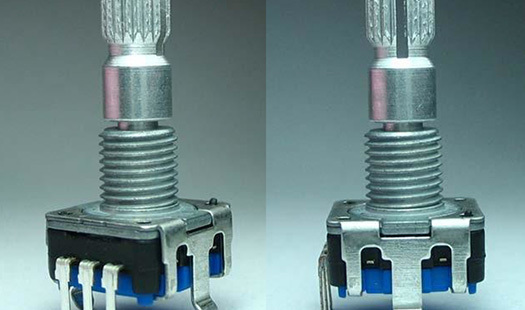
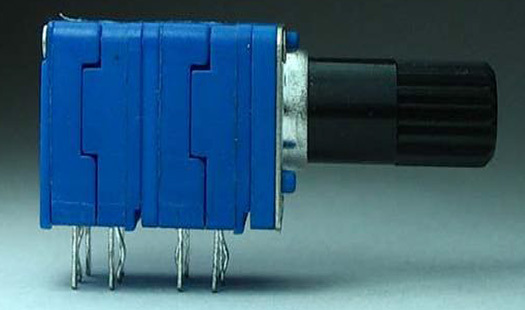
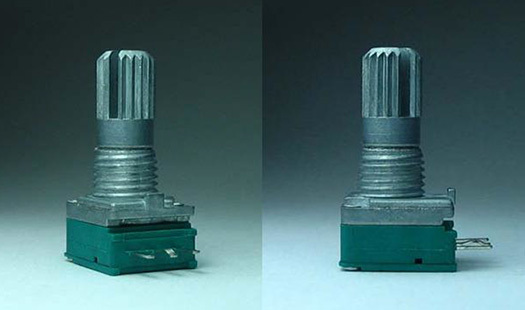
Rotary potentiometers are the most common type used in mixers. They feature a rotational knob that adjusts resistance as it turns. Ideal for volume controls and tone adjustments, they offer a smooth user experience.
Slide Potentiometers
Slide potentiometers, or faders, allow for linear control of audio levels. They are frequently found in mixing consoles and offer an intuitive way to adjust levels with precision.
Digital Potentiometers
Digital potentiometers utilize digital signals to adjust resistance. They are often found in modern audio equipment, providing enhanced features such as remote control and automation.
Key Specifications of Mixer Potentiometers
When selecting mixer potentiometers, it’s crucial to consider several specifications that affect their functionality and compatibility with your audio system.
Mechanical Dimensions
The size and shape of a potentiometer can affect its fit within a mixing console. Common dimensions include shaft diameter and overall height, which should align with your equipment specifications.
Operating Temperature Range
Understanding the operational temperature range can help ensure that the potentiometer will function effectively in various environments, preventing failure due to extreme heat or cold.
Lifecycle
The lifecycle rating indicates how many times the potentiometer can be adjusted before failure. Higher lifecycle ratings mean better durability, which is essential for professional use.
How to Choose the Right Potentiometer for Your Mixer
Selecting the right mixer potentiometer involves several steps:
Identify Your Requirements
Consider the specific needs of your audio system, such as the type of signals being processed and the desired user interface experience.
Assess Compatibility with Existing Equipment
Ensure that the potentiometer’s specifications align with your current mixing gear. This includes resistance value, taper type, and physical dimensions.
Evaluate Quality and Brand Reputation
Choosing reputable brands can often guarantee quality and reliability. Look for user reviews and expert recommendations to guide your choice.
Consult Technical Data Sheets
Review technical data sheets provided by manufacturers for detailed information on performance characteristics and specifications.
Installation Tips for Mixer Potentiometers
Proper installation of mixer potentiometers is crucial for optimal performance.
Follow Manufacturer Guidelines
Always adhere to the installation instructions provided by the manufacturer to avoid damage or malfunction.
Use the Correct Tools
Using the right tools can simplify installation and ensure that components are fitted securely without causing damage.
Test After Installation
Once installed, testing the potentiometer in various scenarios can help identify any issues before use in critical applications.
Troubleshooting Common Potentiometer Issues
Despite their reliability, potentiometers can sometimes experience issues. Here are common problems and their solutions.
Noise or Crackling Sounds
This issue often arises from dirt or oxidation on the potentiometer’s contacts. Cleaning the potentiometer with appropriate electronic cleaners can resolve this problem.
Inconsistent Resistance Changes
If the potentiometer fails to provide smooth control, it may be damaged or worn out. Replacing it with a new component is often the best solution.
Physical Damage
Inspect for any visible damage to the potentiometer, such as cracks or broken parts. Ensure that it is securely mounted and that connections are intact.
Frequently Asked Questions
1. What is the typical lifespan of a mixer potentiometer?
The lifespan of a mixer potentiometer can vary significantly based on usage, but many standard models are rated for tens of thousands of cycles.
2. Can I replace a potentiometer with a different resistance value?
While it is possible to replace a potentiometer with a different resistance value, it may affect the performance of your audio equipment. Ensure compatibility before making changes.
3. How do I clean a potentiometer?
Using an appropriate electronic cleaner and applying it carefully can help remove dirt and oxidation without damaging the component.
4. Are digital potentiometers better than analog ones?
Digital potentiometers offer additional features such as automation and remote control capabilities, but the choice depends on the specific application and user preferences.
5. How do I know if my potentiometer is failing?
Signs of a failing potentiometer include noise, crackling sounds, inconsistent resistance changes, or physical damage. If you notice these issues, consider replacing the component.
Conclusion
Understanding mixer potentiometer ratings is essential for anyone involved in audio mixing. By grasping the intricacies of resistance values, taper types, power ratings, and tolerances, you can make informed decisions that enhance your audio experience. Whether you are a professional sound engineer or a hobbyist, selecting the right potentiometer can significantly improve sound quality, user interface experience, and the overall longevity of your mixing setup. With the right knowledge, you can confidently choose, install, and maintain mixer potentiometers, ensuring optimal performance in all your audio endeavors.
More Information
More Information
RECOMMENDED

Request Quote
Mobile: +86-13902648085
Email: tq@tianqiandz.com
Whatsapp: +86-19939624301
website: https://en.tianqiandz.com/


Request Quote