Dedicated to the manufacture of potentiometers, encoders, switches and sensors

Understanding Fader Potentiometers: Key Components in Electronic Applications
Dec 15,2025
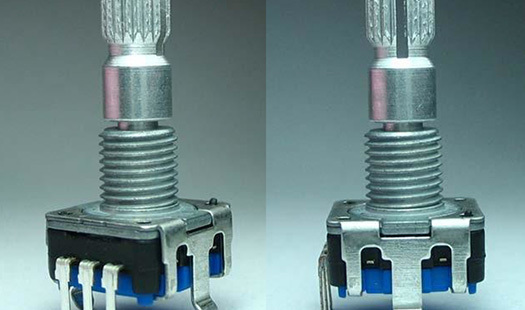
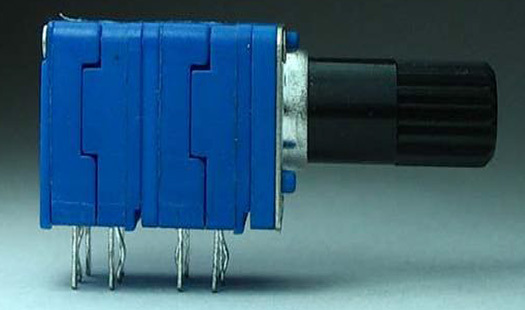
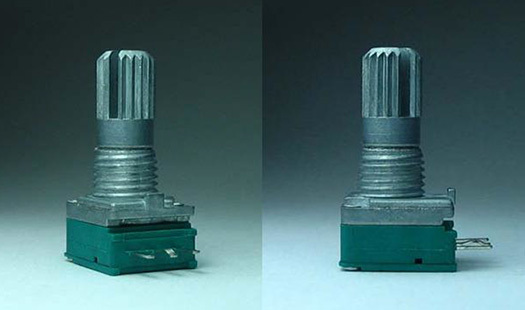
Fader potentiometers, commonly referred to as faders, are crucial electronic components used to adjust the level of electrical signals. They operate by varying resistance, which in turn modifies the voltage output. Typically found in audio equipment, mixers, and various electronic devices, fader potentiometers allow users to fine-tune sound levels and other parameters seamlessly.
These components
Fader potentiometers, commonly referred to as faders, are crucial electronic components used to adjust the level of electrical signals. They operate by varying resistance, which in turn modifies the voltage output. Typically found in audio equipment, mixers, and various electronic devices, fader potentiometers allow users to fine-tune sound levels and other parameters seamlessly.
These components come in a linear or logarithmic configuration, with the linear fader providing consistent resistance change across its entire length, while the logarithmic fader is designed to match human perception of sound. This perception makes logarithmic faders particularly popular in audio applications, where a slight adjustment can have a significant impact on perceived loudness. Understanding the difference between these two types is essential for selecting the right fader potentiometer for your specific needs.
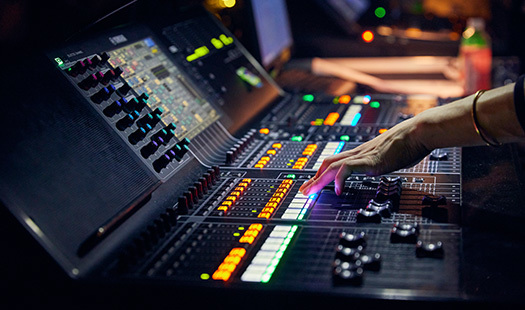
Fader potentiometers are often integrated into mixers, sound consoles, and other audio devices, making them indispensable for sound engineers and musicians. By allowing precise control over audio signals, these components facilitate smooth transitions and create a more professional sound experience. In addition, fader potentiometers are commonly used in lighting control systems, video equipment, and various consumer electronics, showcasing their versatility.
When choosing a fader potentiometer, several factors should be considered. The physical size and design of the fader are essential for ensuring compatibility with your device. Additionally, the electrical characteristics, including resistance value and power rating, must align with the specifications of your application. It’s also important to consider the desired lifespan and durability, especially in environments where frequent use is expected.
Installation of fader potentiometers typically involves connecting the component to a circuit board or directly into the device. Some models feature a tactile feel, providing feedback to the user when adjustments are made. Proper installation and calibration are crucial for achieving optimal performance and longevity. Users should be aware of the potential for wear over time, which can affect the reliability and functionality of the fader.
In summary, fader potentiometers are vital components in modern electronic systems, particularly in audio and lighting applications. Their ability to provide precise control over electrical signals makes them indispensable in creating high-quality sound and lighting experiences. By understanding their functionality and applications, you can make informed decisions when selecting and implementing fader potentiometers in your projects or products. Whether you're a seasoned professional or a DIY enthusiast, mastering the use of fader potentiometers will undoubtedly enhance your electronic endeavors.
More Information
More Information
RECOMMENDED

Request Quote
Mobile: +86-13902648085
Email: tq@tianqiandz.com
Whatsapp: +86-19939624301
website: https://en.tianqiandz.com/


Request Quote