Dedicated to the manufacture of potentiometers, encoders, switches and sensors


Understanding 500k Potentiometers: A Comprehensive Guide for Electronic Enthusiasts
Dec 25,2025
---
A 500k potentiometer is a variable resistor commonly used in electronic devices to control voltage levels, adjust signal levels, or act as a position sensor. Understanding the function and applications of a 500k potentiometer can significantly enhance your design capabilities and troubleshooting skills in various electronic projects.
**What is a Potentiometer?**
A potentiometer is an adjustabl
---
A 500k potentiometer is a variable resistor commonly used in electronic devices to control voltage levels, adjust signal levels, or act as a position sensor. Understanding the function and applications of a 500k potentiometer can significantly enhance your design capabilities and troubleshooting skills in various electronic projects.
**What is a Potentiometer?**
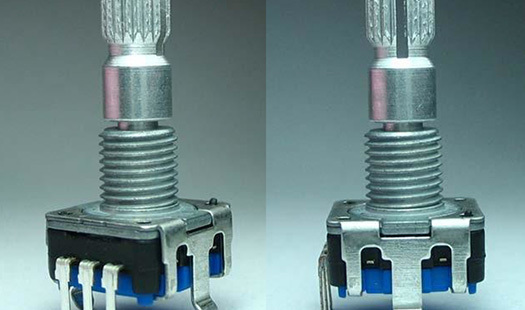
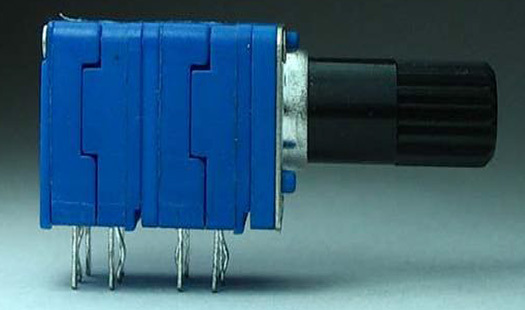
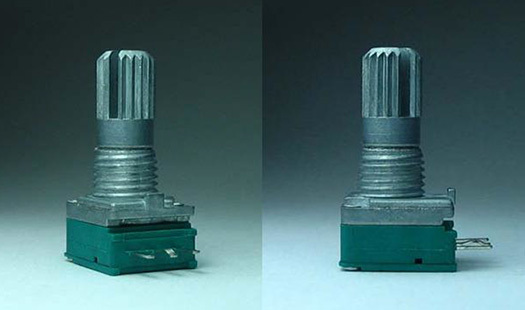
A potentiometer is an adjustable electrical component that can vary resistance within a circuit. It typically consists of three terminals: two connected to a resistive element and one connected to a wiper that moves along the resistive track, allowing users to adjust the resistance. The 500k designation indicates that the maximum resistance of the potentiometer is 500,000 ohms.
**Applications of 500k Potentiometers**
500k potentiometers have diverse applications in electronic devices. They are often used in audio equipment for volume control, allowing users to fine-tune sound levels. Additionally, they can be found in tone control circuits, where they help adjust the treble and bass frequencies. In visual displays, such as LED intensity control, a 500k potentiometer can regulate the brightness of the lights.
Another important application is in sensor devices, where they can provide variable resistance based on the position of an object. This is particularly useful in joysticks and other input devices, offering precise control over movements or settings.
**Choosing the Right 500k Potentiometer**
When selecting a 500k potentiometer for your project, consider the following factors:
1. **Type of Potentiometer**: There are linear and logarithmic (audio) potentiometers. A linear potentiometer provides a direct relationship between the wiper position and resistance, while a logarithmic potentiometer is used in audio applications where human hearing perception is logarithmic.
2. **Power Rating**: Ensure that the potentiometer can handle the power requirements of your circuit. Exceeding the power rating can lead to overheating and failure.
3. **Physical Size and Form Factor**: Depending on your project's requirements, choose a potentiometer that fits well within your circuit layout.
4. **Taper**: The taper refers to how the resistance changes as the potentiometer is adjusted. Choose the taper that best suits your application's needs.
5. **Quality and Durability**: Look for potentiometers that offer good durability, especially if they will be frequently adjusted or subjected to environmental factors.
In summary, understanding the 500k potentiometer and its applications can greatly enhance your electronic designs. Whether for audio control, sensor applications, or other electronic uses, selecting the right potentiometer is vital for achieving optimal performance in your projects. By considering the type, power rating, physical size, taper, and quality, you can make informed decisions that lead to successful implementations in your electronics work.
More Information
More Information
RECOMMENDED

Request Quote
Mobile: +86-13902648085
Email: tq@tianqiandz.com
Whatsapp: +86-19939624301
website: https://en.tianqiandz.com/


Request Quote