Dedicated to the manufacture of potentiometers, encoders, switches and sensors


Exploring the Latest Innovations in Illuminated Rotary Encoders
Nov 19,2025
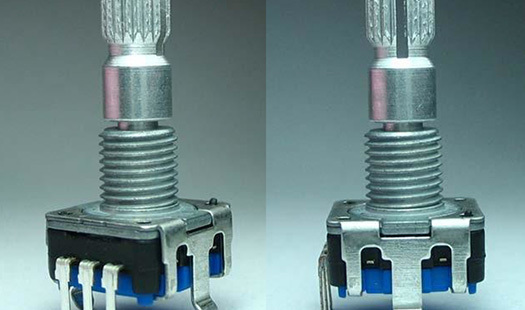
Rotary encoders play a crucial role in modern electronic systems, acting as sensors that convert the angular position of a shaft into an electrical signal. Among the latest innovations in this field are the newest rotary encoder illuminated models, which integrate advanced features to improve functionality and user experience.
Illuminated rotary encoders are designed to provide visual feedback to
Rotary encoders play a crucial role in modern electronic systems, acting as sensors that convert the angular position of a shaft into an electrical signal. Among the latest innovations in this field are the newest rotary encoder illuminated models, which integrate advanced features to improve functionality and user experience.
Illuminated rotary encoders are designed to provide visual feedback to users, enhancing their ability to monitor and control devices effectively. The illumination typically comes in various colors and intensities, allowing for easy identification of operational states. This feature is especially beneficial in environments where visibility might be compromised, such as in low-light conditions or complex machinery setups.
One of the significant advantages of the newest rotary encoder illuminated models is their increased precision. These encoders utilize advanced optical or magnetic sensing technologies, ensuring high-resolution output and reliable performance. This high level of precision is vital in applications that require accurate positioning and movement tracking, such as robotics, industrial automation, and consumer electronics.
In addition to precision, the illuminated feature enhances user interaction. Operators can easily determine the status of the device at a glance, reducing the learning curve associated with complex machinery. For instance, an illuminated rotary encoder may indicate different operational modes through varying colors or brightness levels. This visual cue system allows for quicker adjustments and troubleshooting, leading to increased efficiency in production environments.
Moreover, the newest rotary encoder illuminated models often come with robust construction, making them suitable for harsh operating conditions. They are typically resistant to dust, moisture, and mechanical stress, ensuring longevity and consistent performance. This durability is a critical consideration for industries where equipment is subject to frequent use and environmental challenges.
The implementation of illuminated rotary encoders can also contribute to the overall design aesthetics of a device. Many manufacturers are now focusing on creating visually appealing products that not only perform well but also engage users visually. The integration of illumination in rotary encoders is an excellent example of how functionality and design can go hand in hand.
In conclusion, the newest rotary encoder illuminated models represent a significant step forward in sensor technology, merging precision, usability, and durability. As industries continue to evolve and demand more sophisticated solutions, these encoders are poised to play an essential role in driving innovation and enhancing operational efficiency. Whether in robotics, automation, or consumer electronics, illuminated rotary encoders are set to become a standard component in modern electronic systems.
More Information
More Information
RECOMMENDED

Request Quote
Mobile: +86-13902648085
Email: tq@tianqiandz.com
Whatsapp: +86-19939624301
website: https://en.tianqiandz.com/


Request Quote