Dedicated to the manufacture of potentiometers, encoders, switches and sensors

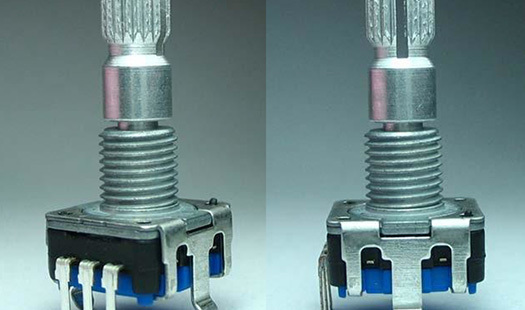
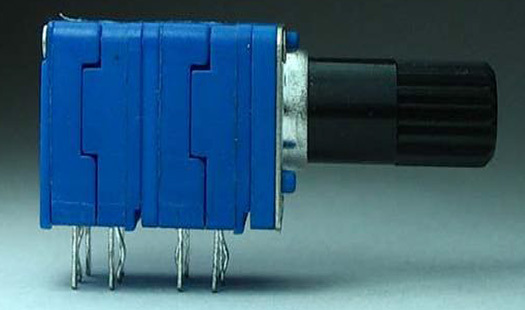

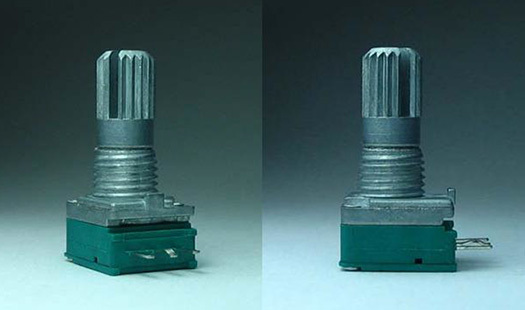
Discover Affordable 50k Potentiometers for Your Electronic Projects
Nov 16,2025
Discover Affordable 50k Potentiometers for Your Electronic Projects
In the world of electronics, the importance of choosing the right components cannot be overstated. Among the myriad of components available, **potentiometers** hold a unique position due to their versatility and functionality. If you’re delving into the realm of electronic projects, understanding the ins and outs of **50k potentiometers** can significantly enhance your design and functionality. This article aims to provide a detailed exploration of affordable 50k potentiometers, highlighting their applications, advantages, and where to find them.
Table of Contents
- What is a Potentiometer?
- Understanding 50k Potentiometers
- Applications of 50k Potentiometers in Electronics
- Affordable Options for 50k Potentiometers
- How to Choose the Right Potentiometer for Your Project
- Where to Buy 50k Potentiometers
- Common Issues with Potentiometers and Troubleshooting
- Frequently Asked Questions
What is a Potentiometer?
A **potentiometer** is an adjustable electrical component that functions as a variable resistor. Typically comprising three terminals, it allows users to vary the resistance within a circuit. The central terminal connects to a wiper that moves across a resistive element, changing the resistance and, consequently, the voltage. This makes potentiometers invaluable in applications such as volume control in audio devices, light dimming, and other electronic adjustments.
Understanding 50k Potentiometers
The **50k potentiometer** refers to its resistance value of **50,000 ohms**. This specific rating is ideal for various electronic applications where moderate resistance is required. One significant advantage of using a 50k potentiometer is its ability to balance precision and affordability, making it a popular choice for both hobbyists and professionals.
Types of 50k Potentiometers
When it comes to 50k potentiometers, several types exist, each suited for specific applications:
- Linear Potentiometers: These provide a uniform change in resistance, making them suitable for applications where a consistent response is needed.
- Logarithmic Potentiometers: Often used in audio applications, these potentiometers change resistance in a non-linear fashion, closely mimicking human auditory perception.
- Digital Potentiometers: These can be controlled via digital signals, providing a modern solution for varying resistance in electronic circuits.
Applications of 50k Potentiometers in Electronics
The versatility of 50k potentiometers allows them to be utilized across various applications. Some common uses include:
1. Audio Equipment
50k potentiometers are often found in audio mixers and amplifiers, where they adjust volume levels and tone controls, ensuring optimal sound quality.
2. Lighting Control
In lighting systems, these potentiometers can be used to dim lights, providing users with control over brightness levels in residential and commercial settings.
3. Measurement Instruments
Many measurement devices, such as oscilloscopes and multimeters, employ potentiometers to calibrate readings, ensuring accuracy in measurements.
4. Robotics and Automation
In robotics, 50k potentiometers can be utilized in sensors and controllers to fine-tune movements and responses, enhancing performance and precision.
Affordable Options for 50k Potentiometers
Finding affordable 50k potentiometers doesn’t have to be a challenge. Numerous manufacturers offer high-quality options at competitive prices. Here are some recommendations:
1. Bourns 50K Linear Potentiometer
Bourns is a reputable manufacturer known for reliable components. Their **50K linear potentiometer** offers excellent durability and precision, making it a solid choice for various projects.
2. Alpha 50K Potentiometer
Alpha provides an affordable 50k potentiometer option, often used in DIY projects. Their models are easy to integrate and provide valid performance for electronic applications.
3. Vishay 50K Potentiometer
Vishay’s 50k potentiometers are known for their longevity and reliability, making them a favorite among professionals in the electronics industry.
4. Honeywell 50K Potentiometer
Honeywell offers robust 50k potentiometer options that are ideal for industrial applications, combining affordability with high performance.
How to Choose the Right Potentiometer for Your Project
Selecting the right potentiometer is crucial for the success of your electronic project. Consider the following factors:
1. Resistance Value
Ensure the resistance value fits your project requirements. A **50k potentiometer** is versatile but check if it's the best fit for your specific application.
2. Type of Potentiometer
Decide between linear, logarithmic, or digital potentiometers based on how you intend to use them. For example, audio applications often require logarithmic potentiometers.
3. Size and Form Factor
Consider the physical space available in your design. Different potentiometers come in various sizes, so choose one that fits your layout.
4. Budget
While affordability is important, ensure you’re not compromising on quality. Compare prices from different suppliers to find the best deal.
Where to Buy 50k Potentiometers
Purchasing **50k potentiometers** can be done through various channels:
1. Electronic Component Retailers
Online retailers like Digi-Key, Mouser, and Newark offer a wide selection of 50k potentiometers from various manufacturers at competitive prices.
2. Local Electronics Stores
Visit local electronics shops for immediate access to components. Many stores carry popular brands and models.
3. Online Marketplaces
Platforms such as Amazon and eBay often list 50k potentiometers, providing user reviews to help in decision-making.
4. Manufacturer Websites
Order directly from manufacturers’ websites for bulk purchases or special orders, which can sometimes yield lower prices.
Common Issues with Potentiometers and Troubleshooting
Even with the best components, issues can arise. Here are some common problems with potentiometers and how to address them:
1. Noise and Interference
Sometimes, potentiometers can introduce noise into the circuit. Ensure proper grounding and shielding to mitigate this issue.
2. Inconsistent Readings
If a potentiometer provides inconsistent resistance readings, it may be worn out or damaged. Replacing it is often the best solution.
3. Mechanical Failure
Frequent adjustments can wear out the mechanical components. Choose high-quality potentiometers to extend their lifespan.
4. Soldering Issues
Poor solder connections can lead to failures. Ensure proper soldering techniques are employed to secure connections effectively.
Frequently Asked Questions
1. What are the typical applications for 50k potentiometers?
50k potentiometers are commonly used in audio devices, lighting controls, measurement instruments, and robotics.
2. How do I know if I need a linear or logarithmic potentiometer?
If your application requires consistent adjustments, a linear potentiometer is best. For audio applications, logarithmic is preferable due to human hearing patterns.
3. Are there digital alternatives to traditional potentiometers?
Yes, digital potentiometers are available and can offer more precise control through digital signals, ideal for modern electronic designs.
4. Can I use a potentiometer in high-power applications?
It depends on the wattage rating of the potentiometer. Most 50k potentiometers are designed for low-power applications.
5. Where can I find the best deals on 50k potentiometers?
Compare prices from online retailers, local shops, and manufacturer websites to find the best deals on 50k potentiometers.
Conclusion
Understanding and utilizing **50k potentiometers** can bring significant benefits to your electronic projects. Their affordability, versatility, and availability make them an excellent choice for hobbyists and professionals alike. By choosing the right type and carefully selecting suppliers, you can enhance your projects while managing costs. Armed with the information provided in this guide, you are now well-prepared to make informed decisions as you integrate 50k potentiometers into your designs. Happy building!
More Information
More Information
RECOMMENDED

Request Quote
Mobile: +86-13902648085
Email: tq@tianqiandz.com
Whatsapp: +86-19939624301
website: https://en.tianqiandz.com/


Request Quote