Dedicated to the manufacture of potentiometers, encoders, switches and sensors

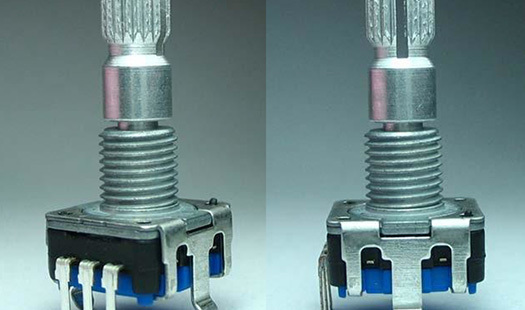
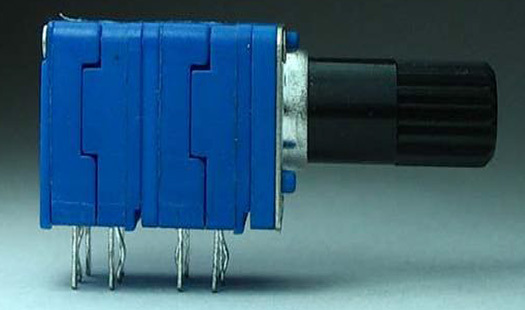

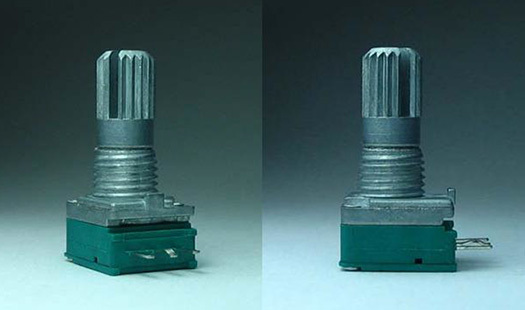
Quality RGB Potentiometers: Elevating Your Electronic Projects
Nov 22,2025
Quality RGB Potentiometers: Elevating Your Electronic Projects
Table of Contents
Introduction to RGB Potentiometers
Understanding RGB Potentiometers
Benefits of Using RGB Potentiometers
How RGB Potentiometers Work
Applications of RGB Potentiometers
Choosing the Right RGB Potentiometer
Installation Tips for RGB Potentiometers
Maintenance and Care of RGB Potentiometers
Conclus
Quality RGB Potentiometers: Elevating Your Electronic Projects
Table of Contents
- Introduction to RGB Potentiometers
- Understanding RGB Potentiometers
- Benefits of Using RGB Potentiometers
- How RGB Potentiometers Work
- Applications of RGB Potentiometers
- Choosing the Right RGB Potentiometer
- Installation Tips for RGB Potentiometers
- Maintenance and Care of RGB Potentiometers
- Conclusion
- Frequently Asked Questions
Introduction to RGB Potentiometers
RGB potentiometers have emerged as a game-changer in the realm of electronics. These components combine the functionality of traditional potentiometers with the ability to control the intensity of red, green, and blue LEDs. Whether you are working on a DIY project or a professional prototype, **quality RGB potentiometers** can significantly enhance your designs. This article explores the various aspects of RGB potentiometers, including their advantages, working mechanisms, applications, and more.
Understanding RGB Potentiometers
RGB potentiometers are variable resistors that can adjust resistance based on a user-defined input. The primary function of these components is to control voltage and consequently the brightness of RGB LEDs. Typically, an RGB potentiometer features three distinct channels—one for each color (red, green, blue)—allowing users to mix colors seamlessly.
When you rotate the knob of an RGB potentiometer, it effectively alters the resistance in the circuit. This change in resistance affects the current flowing to the LED, thereby varying its brightness. The ability to mix colors makes RGB potentiometers invaluable in various applications ranging from LED lighting to audio visualizers.
Benefits of Using RGB Potentiometers
**Versatility:** One of the standout features of RGB potentiometers is their versatility. They can be integrated into a vast array of electronic projects, providing users with dynamic control over lighting and color effects.
**User-Friendly:** These components are designed for ease of use. The intuitive nature of adjusting a knob makes them accessible for both beginners and experienced engineers.
**Enhanced Aesthetics:** By allowing users to mix colors, RGB potentiometers enable projects to achieve visually stunning effects. This can be crucial for designs that prioritize aesthetics, such as artwork installations or custom lighting setups.
**Improved Functionality:** Incorporating RGB potentiometers into your projects can lead to improved user interaction. Customizable lighting options make devices more engaging and user-friendly.
How RGB Potentiometers Work
The mechanics behind RGB potentiometers are relatively straightforward yet fascinating. When you adjust the potentiometer, it changes the resistance in each of the three circuits corresponding to the red, green, and blue LEDs.
1. **Electrical Properties:** The electrical characteristics of the potentiometer determine how much voltage is delivered to each LED. By altering the resistance, you can effectively control the brightness of each color channel.
2. **Color Mixing:** The combination of different brightness levels for the RGB channels creates a spectrum of colors. For instance, if you set the red channel to full brightness and the green channel to half, you will see a yellow hue.
3. **Integration with Microcontrollers:** In more advanced applications, RGB potentiometers can be integrated with microcontrollers such as Arduino or Raspberry Pi. This allows for programmable lighting effects and more complex interactions.
Applications of RGB Potentiometers
RGB potentiometers find use in a wide range of applications, including:
**1. LED Lighting Projects:** DIY enthusiasts often utilize RGB potentiometers in custom LED lighting setups, allowing for personalized color displays.
**2. Audio-Visual Equipment:** They are commonly found in audio-visual equipment where users can control lighting effects in synchronization with sound.
**3. Home Automation Systems:** RGB potentiometers can be a part of smart home systems, allowing users to adjust ambiance lighting through simple knob turns.
**4. Decorative Installations:** Artists and designers use RGB potentiometers in installations to create captivating visual experiences.
**5. Robotics:** In robotic designs, RGB potentiometers can provide feedback on status or mood through color changes.
Choosing the Right RGB Potentiometer
Selecting the right RGB potentiometer can significantly impact your project’s performance. Here are several factors to consider:
**1. Resistance Value:** Choose a potentiometer with a resistance value that aligns with your circuit requirements. Common values range from 10kΩ to 100kΩ.
**2. Size and Form Factor:** Ensure the potentiometer fits within your design’s constraints. Measure available space and consider the mounting style—whether panel-mounted or PCB-mounted.
**3. Quality and Durability:** Opt for high-quality components that can withstand repeated use. Look for potentiometers with sealed enclosures for protection against dust and moisture.
**4. Compatibility:** Ensure that the potentiometer works well with your circuit components, including the type of LEDs and microcontrollers you are using.
**5. Budget:** While it’s important to invest in quality components, it’s equally essential to stay within your budget. Research various suppliers and options that provide the best balance of cost and quality.
Installation Tips for RGB Potentiometers
Proper installation of RGB potentiometers is crucial for optimal performance. Here are some essential tips:
**1. Follow the Circuit Diagram:** Always adhere to the circuit diagram to avoid incorrect connections, which could lead to component failure.
**2. Use Appropriate Wiring:** Utilize quality wiring to ensure reliable connections. Thicker wires may be necessary for circuits requiring higher currents.
**3. Secure Mounting:** Ensure that the potentiometer is securely mounted to prevent movement that may lead to connection issues.
**4. Test Before Finalizing:** Before finalizing your installation, test the potentiometer’s functions to ensure it operates as intended.
**5. Keep a Clean Workspace:** Maintaining a clean and organized workspace will help prevent errors during installation and reduce the risk of damaging components.
Maintenance and Care of RGB Potentiometers
To ensure longevity and consistent performance, follow these maintenance tips:
**1. Regular Cleaning:** Dust and debris can accumulate over time, affecting performance. Use a soft brush or compressed air to clean the potentiometer regularly.
**2. Check Connections:** Periodically check the wiring and connections to ensure they remain secure and free of corrosion.
**3. Avoid Overuse:** Do not exceed the rated load of the potentiometer to prevent premature wear.
**4. Store Properly:** If not in use, store potentiometers in a cool, dry place to protect them from environmental factors.
**5. Replace if Necessary:** If you notice any malfunctioning or performance issues, consider replacing the potentiometer to maintain project integrity.
Conclusion
Quality RGB potentiometers are essential components that can elevate your electronic projects to new heights. Their versatility, ease of use, and ability to enhance aesthetics make them a valuable addition for any electronics enthusiast. By understanding their functionality, applications, and maintenance requirements, you can maximize your project's potential. Whether you are embarking on a DIY project or developing a professional prototype, the insights provided in this guide will help you make informed decisions, ensuring success in your endeavor.
Frequently Asked Questions
**1. What are RGB potentiometers used for?**
RGB potentiometers are primarily used to control the brightness and color mixing of RGB LEDs in various electronic projects, enhancing user experience and aesthetics.
**2. How do I choose the right RGB potentiometer for my project?**
Consider factors such as resistance value, size, quality, compatibility, and budget to choose an RGB potentiometer that fits your project requirements.
**3. Can RGB potentiometers be used with microcontrollers?**
Yes, RGB potentiometers can be integrated with microcontrollers like Arduino or Raspberry Pi for programmable lighting effects and advanced control options.
**4. What maintenance do RGB potentiometers require?**
Regular cleaning, checking connections, avoiding overuse, and proper storage are essential for maintaining RGB potentiometers' performance and longevity.
**5. Are there different types of RGB potentiometers?**
Yes, RGB potentiometers come in various types, including panel-mounted and PCB-mounted options, catering to different installation needs.
More Information
More Information
RECOMMENDED

Request Quote
Mobile: +86-13902648085
Email: tq@tianqiandz.com
Whatsapp: +86-19939624301
website: https://en.tianqiandz.com/


Request Quote