Dedicated to the manufacture of potentiometers, encoders, switches and sensors


Understanding the 5-Pin Potentiometer: A Comprehensive Guide
Feb 08,2025
In the realm of electronic components, the potentiometer serves as a critical device for adjusting voltage levels and controlling electrical signals. A 5-pin potentiometer, in particular, is a versatile tool that finds application in various circuits and devices. This article aims to provide a detailed understanding of the 5-pin potentiometer, including its design, functioning, and practical uses.
In the realm of electronic components, the potentiometer serves as a critical device for adjusting voltage levels and controlling electrical signals. A 5-pin potentiometer, in particular, is a versatile tool that finds application in various circuits and devices. This article aims to provide a detailed understanding of the 5-pin potentiometer, including its design, functioning, and practical uses.
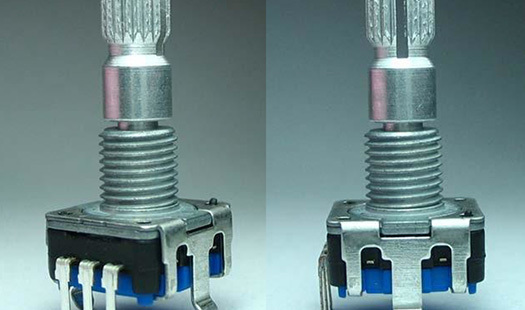
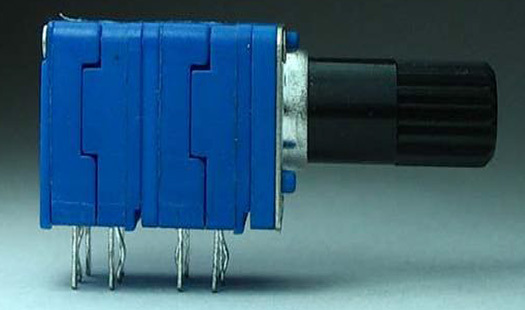
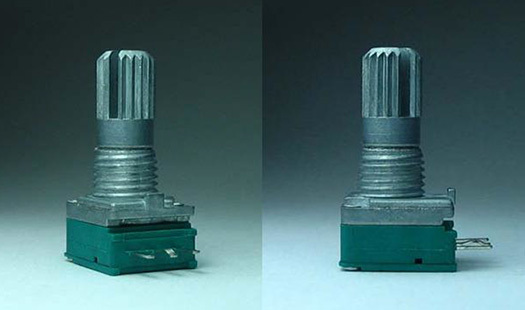
A potentiometer typically consists of three terminals: two fixed terminals connected to a resistive element and a movable wiper terminal that can slide along the resistive element. The 5-pin potentiometer, however, features an additional two pins that serve specific purposes, enhancing its functionality. These extra pins are often used for a dual-gang configuration, allowing simultaneous control of two circuits, or they may serve as additional wipers for more complex applications.
The primary function of a 5-pin potentiometer is to vary resistance, which in turn adjusts the voltage or current flowing through a circuit. This capability makes it invaluable in applications such as audio equipment, where it is used to control volume, tone, and balance. In other scenarios, such as in control systems for motors or sensors, a potentiometer allows for precise adjustments, providing feedback and enabling accurate operations.
When selecting a 5-pin potentiometer, several factors should be considered. The resistance value, taper type (linear or logarithmic), and physical dimensions are crucial elements that determine compatibility with your project requirements. Understanding these parameters will help ensure that you choose the right potentiometer for your specific application.
Additionally, installation and wiring of a 5-pin potentiometer should be approached with care. Proper connection of the pins is essential for achieving the desired electrical performance. Typically, the outer pins connect to the voltage supply and ground, while the wiper pin (often one of the central pins) connects to the adjustable signal output. Depending on the design, the two additional pins may connect to other components or serve as outputs for the secondary circuit.
In summary, the 5-pin potentiometer is a highly versatile electronic component with various applications across the industry. By understanding its construction and functionality, users can effectively integrate it into their electronic projects, ensuring optimal performance and control. Whether you are designing audio equipment, control systems, or other electronic devices, mastering the use of a 5-pin potentiometer will undoubtedly enhance your project outcomes.
More Information
More Information
RECOMMENDED

Request Quote
Mobile: +86-13902648085
Email: tq@tianqiandz.com
Whatsapp: +86-19939624301
website: https://en.tianqiandz.com/


Request Quote