Dedicated to the manufacture of potentiometers, encoders, switches and sensors

Understanding the Critical Role of Potentiometers in Audio Systems
Feb 07,2025
Understanding the Critical Role of Potentiometers in Audio Systems
Table of Contents
1. Introduction to Potentiometers
2. What is a Potentiometer?
3. Types of Potentiometers Used in Audio
4. Applications of Potentiometers in Audio Systems
5. The Impact of Potentiometers on Audio Quality
6. Design Considerations for Potentiometers in Audio Applications
7. Troubleshootin
Understanding the Critical Role of Potentiometers in Audio Systems
Table of Contents
- 1. Introduction to Potentiometers
- 2. What is a Potentiometer?
- 3. Types of Potentiometers Used in Audio
- 4. Applications of Potentiometers in Audio Systems
- 5. The Impact of Potentiometers on Audio Quality
- 6. Design Considerations for Potentiometers in Audio Applications
- 7. Troubleshooting Common Potentiometer Issues
- 8. The Future of Potentiometers in Audio Technology
- 9. FAQs about Potentiometers in Audio Systems
- 10. Conclusion
1. Introduction to Potentiometers
In the realm of audio systems, potentiometers are often the unsung heroes. These small, yet powerful components play a crucial role in delivering the sound quality that audiophiles cherish. Understanding their function illuminates their importance and the intricacies involved in audio engineering. This article will explore the various aspects of potentiometers, from their types and applications to their impact on audio quality.
2. What is a Potentiometer?
A potentiometer is a three-terminal resistor that operates as an adjustable voltage divider. By varying the resistance between two points, it can control the amount of current flowing through a circuit. In audio systems, potentiometers are primarily used to adjust volume, tone, and balance. They can be found in various devices, including amplifiers, mixers, and guitar pedals.
2.1 The Structure of a Potentiometer
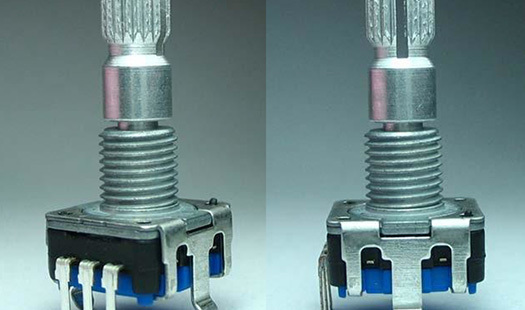
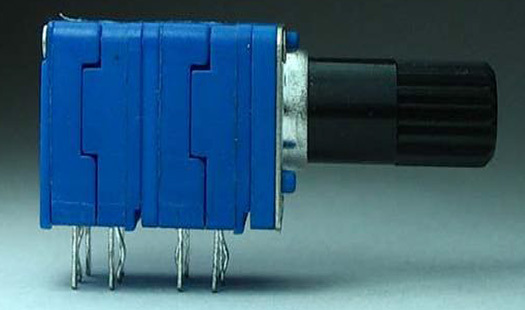
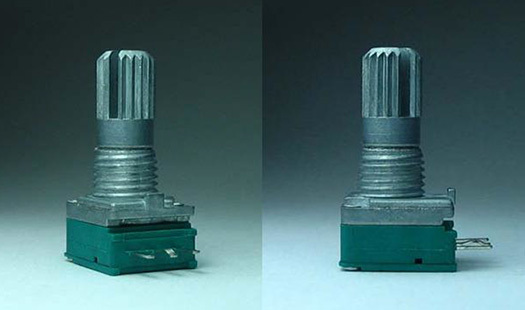
Potentiometers typically consist of a resistive element, a wiper, and three terminals. The resistive element can be made out of carbon, cermet, or conductive plastic. As the wiper moves along the resistive track, it changes the resistance, allowing for smooth adjustments in audio signals.
3. Types of Potentiometers Used in Audio
There are several types of potentiometers commonly used in audio systems, each suited to specific applications.
3.1 Linear Potentiometers
Linear potentiometers provide a straight-line response, meaning that the change in resistance is proportional to the wiper's movement. This type is often used for volume control, giving a consistent and predictable change in sound levels.
3.2 Logarithmic Potentiometers
Logarithmic potentiometers, or audio taper potentiometers, are designed to match the human ear's sensitivity to sound. They provide a more gradual increase in volume at lower levels and a more pronounced change at higher levels, making them ideal for audio applications.
3.3 Digital Potentiometers
Digital potentiometers utilize electronic signals to adjust resistance. They offer enhanced precision and can be controlled remotely, making them increasingly popular in modern audio devices.
4. Applications of Potentiometers in Audio Systems
Potentiometers are integral to various audio applications. Their versatility allows them to function in multiple capacities within a system.
4.1 Volume Control
The most common application of potentiometers is controlling volume levels. By adjusting the resistance, users can increase or decrease the audio output smoothly.
4.2 Tone Control
In equalizers and tone control circuits, potentiometers allow users to modify the bass, midrange, and treble frequencies, tailoring the audio output to individual preferences.
4.3 Balance Control
Balance potentiometers help adjust the audio signal between the left and right channels, ensuring a cohesive sound experience.
4.4 Mixing Consoles
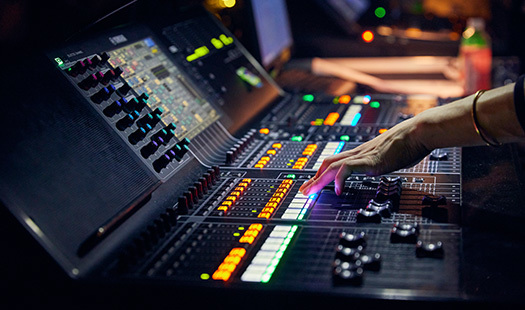
In professional audio applications, potentiometers facilitate the blending of multiple audio signals, allowing sound engineers to achieve the desired mix.
5. The Impact of Potentiometers on Audio Quality
Potentiometers significantly influence audio quality. Their design, type, and configuration can enhance or detract from the listening experience.
5.1 Signal Integrity
High-quality potentiometers maintain signal integrity, minimizing noise and distortion. Poor-quality components can introduce unwanted artifacts, compromising sound fidelity.
5.2 Dynamic Range
The dynamic range of an audio system can be affected by the type of potentiometer used. Choosing the right one ensures that the full range of sound is captured and reproduced accurately.
5.3 Interactivity
Potentiometers contribute to the interactivity of audio systems. Their responsiveness allows users to make real-time adjustments, enhancing the listening experience.
6. Design Considerations for Potentiometers in Audio Applications
When integrating potentiometers into audio systems, several design factors must be considered to optimize performance.
6.1 Resistance Value
Selecting the appropriate resistance value is crucial. It should match the application requirements to ensure optimal performance and compatibility with other components.
6.2 Power Rating
Potentiometers come with different power ratings. Choosing one that can handle the power levels in the application is essential to avoid damage and ensure longevity.
6.3 Physical Size
The physical size of potentiometers can impact the layout of an audio system. Designers must balance space constraints with performance needs to achieve the best results.
7. Troubleshooting Common Potentiometer Issues
Despite their reliability, potentiometers can encounter problems. Identifying and resolving these issues is vital for maintaining audio system performance.
7.1 Crackling Noises
A common issue with worn potentiometers is crackling noises during adjustment. This can often be resolved by cleaning the component or replacing it entirely.
7.2 Inconsistent Response
If a potentiometer exhibits an inconsistent response, it may be due to dust or debris interfering with the wiper. Cleaning or replacing the potentiometer might be necessary.
7.3 Physical Damage
Physical damage can occur due to excessive force or exposure to elements. Inspecting and replacing damaged units is crucial to ensure optimal functionality.
8. The Future of Potentiometers in Audio Technology
As technology advances, potentiometers are evolving to meet new demands in audio engineering.
8.1 Smart Potentiometers
The rise of smart technology has led to the development of intelligent potentiometers that can be controlled via apps or integrated into smart home systems.
8.2 Enhanced Precision
Future potentiometers are likely to offer even greater precision, enabling more detailed adjustments in audio applications and improving user experiences.
8.3 Sustainability
With increasing attention to sustainability, manufacturers are exploring eco-friendly materials and processes for potentiometer production, ensuring that they meet modern environmental standards.
9. FAQs about Potentiometers in Audio Systems
9.1 What is the primary function of a potentiometer in an audio system?
The primary function of a potentiometer in an audio system is to adjust the voltage, which directly influences the volume, tone, and overall sound quality.
9.2 How do I choose the right potentiometer for my audio project?
Choosing the right potentiometer involves considering the resistance value, power rating, and type (linear or logarithmic) based on your application's requirements.
9.3 Can potentiometers affect sound quality?
Yes, the quality and type of potentiometer can significantly impact sound quality, including signal integrity and dynamic range.
9.4 How do I maintain potentiometers in my audio equipment?
Regular maintenance includes cleaning the potentiometers with appropriate solvents and ensuring they are free from dust and debris.
9.5 Are digital potentiometers better than analog ones?
Digital potentiometers offer enhanced precision and remote operation capabilities but may come at a higher cost than traditional analog potentiometers. The choice depends on the specific application needs.
10. Conclusion
Potentiometers play an indispensable role in audio systems, contributing to the overall sound experience that users enjoy. From volume control to intricate mixing applications, their function impacts audio quality in profound ways. Understanding the types, applications, and maintenance of potentiometers enables audio enthusiasts and professionals alike to make informed choices that enhance their listening experiences. As technology continues to evolve, potentiometers will adapt, further solidifying their status as vital components in audio engineering.
More Information
More Information
RECOMMENDED

Request Quote
Mobile: +86-13902648085
Email: tq@tianqiandz.com
Whatsapp: +86-19939624301
website: https://en.tianqiandz.com/


Request Quote