Dedicated to the manufacture of potentiometers, encoders, switches and sensors


Understanding the Functionality of a Dual Gang Potentiometer: A Comprehensive Guide
Feb 09,2025
Understanding the Functionality of a Dual Gang Potentiometer
Table of Contents
1. Introduction to Potentiometers
2. What is a Dual Gang Potentiometer?
2.1 Definition and Basic Function
2.2 Differences Between Single and Dual Gang Potentiometers
3. Key Components of a Dual Gang Potentiometer
3.1 The Resistive Element
3.2 The Wiper Mechanism
3.3 The Terminals and Housing
4. How a Dual Gang Potentiom
Understanding the Functionality of a Dual Gang Potentiometer
Table of Contents
1. Introduction to Potentiometers
2. What is a Dual Gang Potentiometer?
2.1 Definition and Basic Function
2.2 Differences Between Single and Dual Gang Potentiometers
3. Key Components of a Dual Gang Potentiometer
3.1 The Resistive Element
3.2 The Wiper Mechanism
3.3 The Terminals and Housing
4. How a Dual Gang Potentiometer Works
4.1 Electrical Principles Behind Operation
4.2 Typical Circuit Configurations
5. Applications of Dual Gang Potentiometers
5.1 Audio Equipment
5.2 Consumer Electronics
5.3 Industrial Controls
6. Advantages of Using Dual Gang Potentiometers
7. Wiring a Dual Gang Potentiometer
7.1 Step-by-Step Wiring Guide
7.2 Common Wiring Configurations
8. Troubleshooting Common Issues
8.1 Identifying Malfunctions
8.2 Solutions and Repairs
9. Frequently Asked Questions (FAQs)
10. Conclusion
1. Introduction to Potentiometers
Potentiometers are crucial components in many electronic devices, serving as variable resistors that adjust voltage levels in circuits. They allow users to control aspects such as volume, brightness, and tone in audio and visual equipment. Understanding the mechanics of these components can significantly enhance electronic design and troubleshooting skills.
2. What is a Dual Gang Potentiometer?
2.1 Definition and Basic Function
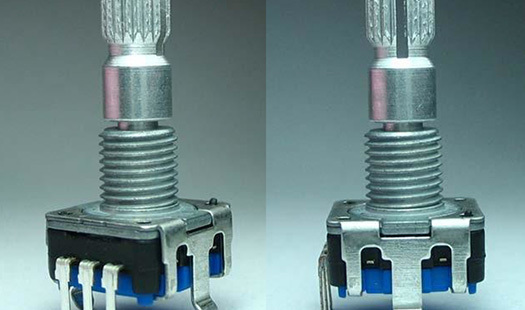
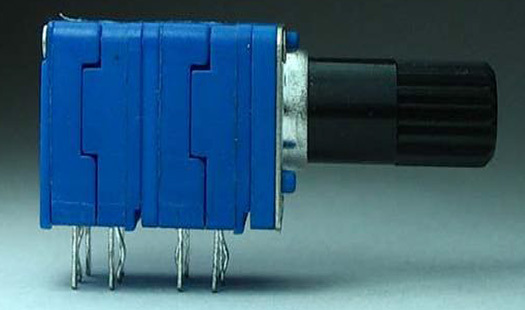
A dual gang potentiometer consists of two independent potentiometers housed within a single unit. Each gang operates on a separate electrical circuit but is controlled simultaneously by a single knob or lever. This configuration allows for precise adjustments of two parameters at once, such as volume and balance in audio applications.
2.2 Differences Between Single and Dual Gang Potentiometers
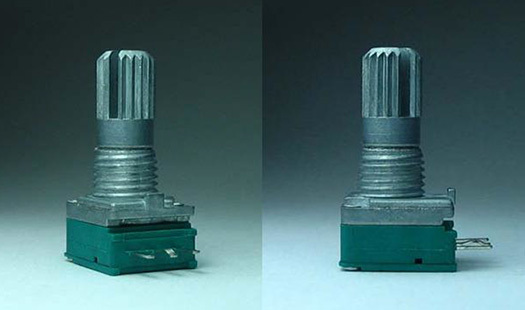
While a single gang potentiometer controls one circuit, a dual gang potentiometer can manage two, providing more functionality without requiring additional space. This makes dual gang potentiometers especially useful in compact electronic systems where space and efficiency are paramount.
3. Key Components of a Dual Gang Potentiometer
3.1 The Resistive Element
The resistive element is the core of the potentiometer, made from materials like carbon or conductive plastic. This element dictates how smoothly current flows and affects the overall resistance range of the component.
3.2 The Wiper Mechanism
The wiper is a movable contact that slides along the resistive element, allowing it to tap into different resistance values. The position of the wiper determines the output voltage, making it a critical component for effective control.
3.3 The Terminals and Housing
A dual gang potentiometer typically includes three terminals for each gang, totaling six terminals. These terminals connect the potentiometer to the rest of the circuit. The housing protects internal components and provides a means for mounting.
4. How a Dual Gang Potentiometer Works
4.1 Electrical Principles Behind Operation
When the knob is turned, the wiper moves along the resistive element, changing the resistance in the circuit. This action alters the voltage drop across the potentiometer, effectively controlling the output.
4.2 Typical Circuit Configurations
Dual gang potentiometers can be wired in various configurations, such as voltage dividers or as part of feedback loops in amplifiers. Their versatility makes them suitable for numerous applications, providing greater control over multiple aspects of a circuit.
5. Applications of Dual Gang Potentiometers
5.1 Audio Equipment
In audio systems, dual gang potentiometers are often used to control volume and tone simultaneously, allowing users to fine-tune their listening experience with ease.
5.2 Consumer Electronics
Many consumer electronics, such as televisions and radios, utilize dual gang potentiometers for user interface controls, providing a seamless way to adjust settings.
5.3 Industrial Controls
In industrial applications, these potentiometers may be used in control panels to manage machinery and equipment, enabling operators to adjust settings in real-time.
6. Advantages of Using Dual Gang Potentiometers
The main advantages of dual gang potentiometers include:
- Compactness: Fitting two functions into one unit saves space in circuit design.
- Precision: Enables simultaneous control for improved user experience.
- Versatility: Applicable in diverse fields like audio, consumer gadgets, and industrial machinery.
7. Wiring a Dual Gang Potentiometer
7.1 Step-by-Step Wiring Guide
Wiring a dual gang potentiometer involves several steps:
1. Identify the terminals: Each gang has three terminals - one for the input voltage, one for the output, and one connected to ground.
2. Connect the resistive element: Wire the terminals according to the desired circuit configuration.
3. Test the connections: After wiring, ensure all connections are secure and correctly placed to avoid shorts.
7.2 Common Wiring Configurations
Common configurations include:
- Voltage divider: For adjusting output voltage based on input signal.
- Attenuator circuit: Used in audio applications for smooth volume control.
8. Troubleshooting Common Issues
8.1 Identifying Malfunctions
Common signs of a malfunctioning dual gang potentiometer include:
- No change in output despite knob adjustments.
- Crackling sounds from audio outputs.
- Inconsistent resistance readings when tested with a multimeter.
8.2 Solutions and Repairs
To resolve these issues, one can:
- Clean the potentiometer with contact cleaner to remove dirt and debris.
- Check all wiring connections for integrity.
- Replace the potentiometer if physical damage or wear is evident.
9. Frequently Asked Questions (FAQs)
FAQ 1: How do I know if my dual gang potentiometer is faulty?
Signs of a faulty potentiometer include crackling noises, inconsistent resistance, and lack of response when adjusting the knob.
FAQ 2: Can I use a dual gang potentiometer in place of a single gang?
Yes, but it is essential to ensure that the circuit configuration allows for independent control if that is required.
FAQ 3: What is the typical lifespan of a dual gang potentiometer?
The lifespan can vary; however, high-quality potentiometers can last for thousands of cycles before showing signs of wear.
FAQ 4: Are dual gang potentiometers more expensive than single gang ones?
Generally, dual gang potentiometers may cost slightly more due to their complexity and multiple functions, but the price difference is often justified by their functionality.
FAQ 5: How do I determine the correct value for a dual gang potentiometer?
Selecting the correct value depends on the circuit's requirements and the intended application. Consult the circuit specifications or a knowledgeable source for guidance.
10. Conclusion
A dual gang potentiometer is an invaluable component in modern electronics, offering versatile control over multiple parameters within a single package. By understanding its functionality, applications, and the intricacies of wiring and troubleshooting, we can harness its capabilities for various projects effectively. Whether in audio equipment or industrial controls, mastering the use of dual gang potentiometers can enhance both design and user experience in electronic circuits.
More Information
More Information
RECOMMENDED

Request Quote
Mobile: +86-13902648085
Email: tq@tianqiandz.com
Whatsapp: +86-19939624301
website: https://en.tianqiandz.com/


Request Quote