Dedicated to the manufacture of potentiometers, encoders, switches and sensors


Exploring the Versatility of 5k Potentiometers in DIY Electronics Projects
Dec 30,2025
In the realm of DIY electronics, few components are as versatile and indispensable as potentiometers. Among these, potentiometers 5k stand out for their wide range of applications. Whether you are building audio equipment, creating custom sensors, or designing innovative control interfaces, understanding how to effectively utilize 5k potentiometers can elevate your projects. This article provides a thorough exploration of these components, including their functionality, applications, and practical tips for use.
What is a Potentiometer?
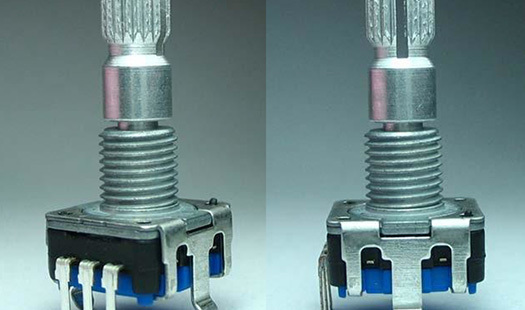
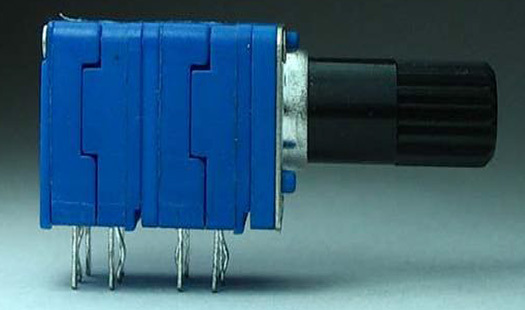
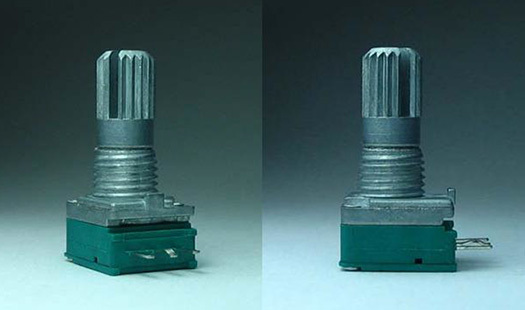
A **potentiometer** is a three-terminal variable resistor used to control electrical devices. It operates by adjusting the resistance between its terminals, thereby controlling the flow of current. Typical applications include volume controls in audio devices, dimmer switches for lighting, and various types of sensors in electronic circuits.
The basic design includes:

The Components of a Potentiometer
1. **Resistive Element**: This is the material that resists the flow of current, usually made of carbon or a conductive plastic.
2. **Wiper Contact**: This moves along the resistive element to tap into different resistance levels, adjusting the output voltage.
3. **Terminals**: Often, there are three terminals: two connected to the ends of the resistive element and one connected to the wiper.
Understanding 5k Potentiometers
The term "5k" refers to the resistance value of the potentiometer, indicating it offers 5000 ohms of resistance. This value is crucial when selecting a potentiometer for specific applications, as it affects the range of resistance and voltage control.
Types of 5k Potentiometers
1. **Linear Potentiometers**: These provide a linear change in resistance with the movement of the wiper. They are ideal for applications requiring precise control.
2. **Logarithmic Potentiometers**: Commonly used in audio applications, these provide a logarithmic response, making them suitable for volume control where human perception of sound is non-linear.
Key Features of 5k Potentiometers
- **Adjustable Resistance**: Fine-tune resistance to control voltage and current flow.
- **Durability**: Often designed for longevity, suitable for various environments.
- **Versatility**: Applicable in countless electronic devices and projects.
Applications of 5k Potentiometers in DIY Electronics
Understanding where to apply 5k potentiometers can significantly enhance your projects. Below are some popular applications:
Audio Equipment
In audio setups, 5k potentiometers are frequently used to control volume levels. They allow for smooth transitions between sound levels, enhancing user experience.
Lighting Control
In lighting projects, these potentiometers can function as dimmers, enabling users to adjust brightness smoothly according to their preferences.
Sensor Calibration
When building sensors, using a 5k potentiometer allows for precise calibration of resistance, which can impact sensitivity and accuracy in readings.
Feedback Control Systems
In robotics and automated systems, 5k potentiometers can serve as feedback devices, providing real-time adjustments based on user input or environmental changes.
How to Use 5k Potentiometers in Projects
Using a 5k potentiometer in your projects requires some basic understanding of electronics and circuit design. Here’s a step-by-step guide:
1. Identify Your Circuit Needs
Determine what function the potentiometer will serve in your project. Understanding the desired outcome is crucial before selecting a potentiometer.
2. Wiring the Potentiometer
Wiring a potentiometer can vary depending on its application. Commonly, you will connect:
- One terminal to the voltage source (Vcc)
- The second terminal to ground
- The wiper (middle terminal) to the circuit where variable resistance is needed
3. Testing the Connection
Before finalizing your circuit, conduct tests to ensure the potentiometer functions as expected. Adjust the wiper and observe the change in the output, confirming that the resistance varies appropriately.
4. Implementing in Your Project
Once satisfied with the test results, integrate the potentiometer into your project. Ensure to secure it properly to avoid any disconnections during use.
Choosing the Right Potentiometer for Your Project
Selecting the appropriate potentiometer is vital for achieving desired results. Here are key considerations:
1. Resistance Value
Choose a potentiometer with a resistance value that suits your project requirements. For general applications, **5k potentiometers** offer a good balance of versatility and functionality.
2. Type of Potentiometer
Decide between linear and logarithmic potentiometers based on your specific needs, especially in audio applications.
3. Size and Form Factor
Consider the physical size and mounting type (through-hole or surface-mount) of the potentiometer to ensure it fits into your project layout.
Common Problems and Solutions
Despite their robustness, potentiometers can face issues. Here are some common problems and their solutions:
1. Noise in Audio Signals
**Problem**: Crackling or static noise when adjusting the volume.
**Solution**: Use a potentiometer with a higher quality resistive element, or consider cleaning the potentiometer with a suitable electronic cleaner.
2. Limited Range of Motion
**Problem**: The wiper does not adjust the resistance over the intended range.
**Solution**: Check the wiring; ensure all connections are secure and that the right type of potentiometer is being used.
3. Physical Damage
**Problem**: Wear and tear can lead to malfunction.
**Solution**: Regularly inspect and replace potentiometers that show signs of damage or wear.
5k potentiometers offer unparalleled versatility in DIY electronics projects, serving a multitude of purposes from audio control to sensor calibration. Understanding their functionality, applications, and best practices for use can significantly enhance the quality of your electronic creations. By integrating these components thoughtfully, you can achieve precise control and innovative designs that stand out in the world of electronics. Whether you're a novice or an experienced enthusiast, mastering the use of 5k potentiometers is a valuable skill that opens doors to exciting DIY possibilities.
More Information
More Information
RECOMMENDED

Request Quote
Mobile: +86-13902648085
Email: tq@tianqiandz.com
Whatsapp: +86-19939624301
website: https://en.tianqiandz.com/


Request Quote