Dedicated to the manufacture of potentiometers, encoders, switches and sensors

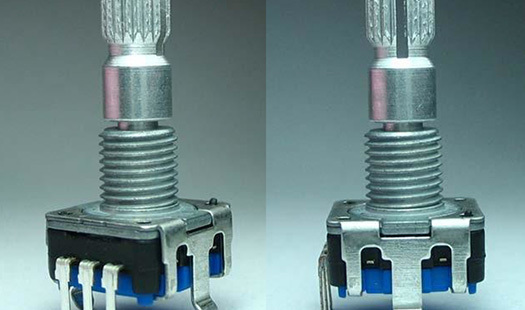
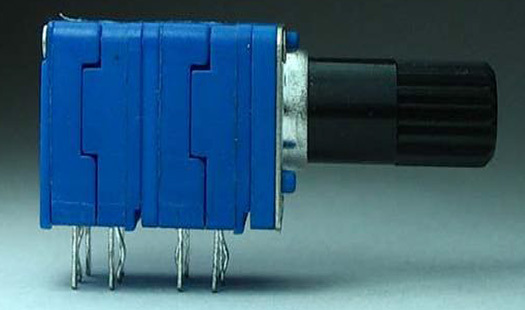

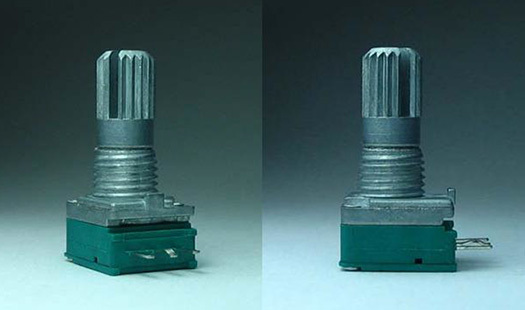
Exploring the Varieties of Potentiometer Knobs: Which One is Right for You?
Jan 09,2026
Exploring the Varieties of Potentiometer Knobs: Which One is Right for You?
Table of Contents
1. Introduction to Potentiometer Knobs
2. What is a Potentiometer?
3. Types of Potentiometer Knobs
3.1 Standard Knobs
3.2 Mini Knobs
3.3 Set Screw Knobs
3.4 Push-On Knobs
3.5 Illuminated Knobs
4. Factors to Cons
Exploring the Varieties of Potentiometer Knobs: Which One is Right for You?
Table of Contents
- 1. Introduction to Potentiometer Knobs
- 2. What is a Potentiometer?
- 3. Types of Potentiometer Knobs
- 4. Factors to Consider When Choosing a Potentiometer Knob
- 5. Popular Applications of Potentiometer Knobs
- 6. Maintenance and Care of Potentiometer Knobs
- 7. Conclusion
- 8. Frequently Asked Questions
1. Introduction to Potentiometer Knobs
In the realm of electronics, **potentiometer knobs** serve as an essential interface between users and devices. They allow for real-time adjustments of electrical resistance, impacting the performance and functionality of various electronic gadgets. Understanding the different types of potentiometer knobs available can enhance your experience with electronic equipment and ensure you choose the right component for your specific application.
2. What is a Potentiometer?
A **potentiometer** is a three-terminal device commonly used to control electrical devices, such as audio equipment, lights, and other electronic circuits. It functions as a variable resistor, allowing users to adjust voltage and current levels. This adjustment is crucial for achieving desired outcomes in various applications, which is where the choice of potentiometer knobs becomes significant.
3. Types of Potentiometer Knobs
When selecting a potentiometer knob, it's important to understand the different types available. Each type has unique characteristics and applications, which can affect your overall user experience.
3.1 Standard Knobs
**Standard knobs** are the most common type found in various electronic devices. They come in various sizes, colors, and designs, making them versatile for different applications. Typically made of plastic or metal, standard knobs provide a comfortable grip and are easy to turn.
3.2 Mini Knobs
**Mini knobs** are designed for compact devices where space is limited. These knobs maintain functionality while taking up less room, making them ideal for portable gadgets and smaller electronic projects. Despite their size, they can offer precision control, ensuring users can adjust settings with ease.
3.3 Set Screw Knobs
**Set screw knobs** feature a screw that secures the knob to the potentiometer shaft, preventing slippage during use. This design is particularly useful in applications where consistent and reliable performance is critical, such as in musical instruments and professional audio equipment.
3.4 Push-On Knobs
**Push-on knobs** do not require screws or additional hardware for installation. Instead, they easily slide onto the shaft of the potentiometer, making them quick to install and replace. Their user-friendly design is perfect for DIY projects and prototyping.
3.5 Illuminated Knobs
**Illuminated knobs** incorporate LED lights that provide visual feedback. These knobs are particularly popular in high-end audio equipment and professional lighting systems, where visibility in low-light conditions is crucial. The illumination not only enhances functionality but also adds an aesthetic appeal to the device.
4. Factors to Consider When Choosing a Potentiometer Knob
Selecting the right potentiometer knob involves several considerations. Understanding these factors can help you make an informed decision tailored to your specific needs.
4.1 Size
The size of the potentiometer knob should match the shaft size of your potentiometer. Typically, shaft diameters range from 6mm to 1/4 inch. Ensuring the proper fit prevents issues such as slippage and misalignment during use.
4.2 Material
Potentiometer knobs can be made from various materials, including plastic, aluminum, and rubber. The choice of material affects durability, aesthetics, and tactile feedback. For instance, metal knobs tend to be more durable, while plastic knobs provide a lighter feel.
4.3 Design and Aesthetics
The design of the knob plays a significant role in user experience. Consider factors such as color, shape, and texture. Knobs that are easy to grip and visually appealing can enhance the overall enjoyment of using the device.
4.4 Functionality
Consider the intended use of the potentiometer knob. Different applications may require specific functionalities, such as tactile feedback or visual indicators. Understanding your needs will help you select a knob that enhances performance.
5. Popular Applications of Potentiometer Knobs
Potentiometer knobs find applications across various industries and devices, including:
1. **Audio Equipment**: Used in mixing consoles, amplifiers, and home audio systems for volume control and tone adjustments.
2. **Lighting Systems**: Involved in dimmer switches and professional lighting fixtures, allowing users to control brightness levels.
3. **Consumer Electronics**: Found in gadgets like televisions, radios, and gaming consoles for intuitive user interaction.
4. **Musical Instruments**: Essential in keyboards, synthesizers, and electric guitars, enabling musicians to adjust sound settings on the fly.
6. Maintenance and Care of Potentiometer Knobs
To ensure the longevity and optimal performance of potentiometer knobs, consider the following maintenance tips:
- **Regular Cleaning**: Dust and debris can accumulate on knobs, affecting their functionality. Regularly clean the knobs with a soft, dry cloth.
- **Check for Wear**: Inspect the knobs for signs of wear or damage. Replace any that are cracked or show signs of excessive wear to maintain performance.
- **Avoid Over-tightening**: When installing set screw knobs, avoid over-tightening the screws, as this can damage the shaft or the knob itself.
7. Conclusion
In conclusion, understanding the various types of potentiometer knobs and their applications is crucial for anyone involved in electronics. From standard to illuminated knobs, each type offers unique benefits suited to different needs. By considering factors such as size, material, design, and functionality, you can select the right potentiometer knob for your specific project or device. Whether you're a hobbyist or a professional, the right choice can enhance your user experience and improve the overall performance of your electronic components.
8. Frequently Asked Questions
Q1: What is the main function of a potentiometer knob?
A1: The main function of a potentiometer knob is to allow users to adjust electrical resistance, which in turn controls voltage and current levels in electronic devices.
Q2: How do I know what size knob to choose?
A2: To determine the appropriate knob size, measure the shaft diameter of your potentiometer and choose a knob that matches that size.
Q3: Can I use different types of knobs on the same potentiometer?
A3: Yes, as long as the knobs fit the shaft diameter and are compatible with the potentiometer design, you can use different types of knobs interchangeably.
Q4: Are illuminated knobs more expensive than standard knobs?
A4: Generally, illuminated knobs may be more expensive due to the additional components required for lighting, but prices can vary based on brand and features.
Q5: How do I install a push-on potentiometer knob?
A5: To install a push-on potentiometer knob, simply align it with the shaft of the potentiometer and push it onto the shaft until it is securely in place.
This comprehensive guide serves to illuminate the various types of potentiometer knobs available on the market, ensuring that you make the best choice tailored to your specific electronic needs.
More Information
More Information
RECOMMENDED

Request Quote
Mobile: +86-13902648085
Email: tq@tianqiandz.com
Whatsapp: +86-19939624301
website: https://en.tianqiandz.com/


Request Quote