Dedicated to the manufacture of potentiometers, encoders, switches and sensors


Why Potentiometer Knobs are Essential for Fine Tuning Your Devices
Feb 21,2025
Potentiometer knobs are vital components in the realm of electronics, serving as user interfaces that allow for the precise control of electrical devices. These knobs are not merely aesthetic choices; they play a crucial role in the functionality of various gadgets, from audio equipment to industrial machinery. Their ability to provide fine-tuning capabilities makes them essential for anyone looking to optimize their electronic devices.

What is a Potentiometer?
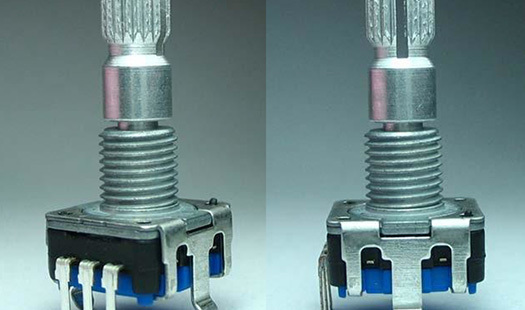
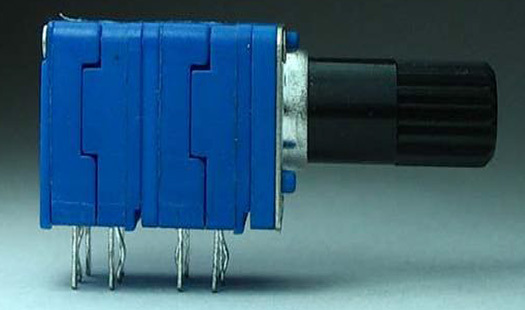
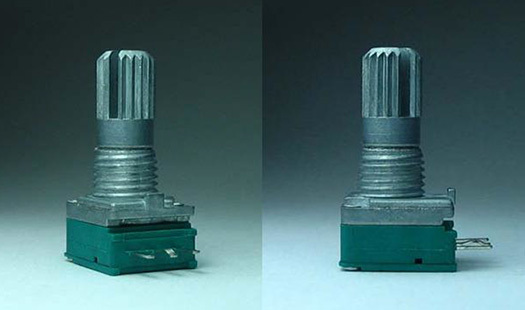
A potentiometer is essentially a variable resistor that allows for the adjustment of voltage levels in a circuit. It consists of three terminals: two are connected to a resistive element and one to a wiper that moves along the element. This mechanism enables users to modify the resistance and consequently control the current flowing through the circuit, making it an invaluable tool for fine-tuning electronic devices.
The Components of a Potentiometer
To fully appreciate the significance of potentiometer knobs, let’s break down the essential components:
1. Resistive Element
The resistive element is typically made from materials like carbon, cermet, or wire. The choice of material impacts the durability and performance of the potentiometer.
2. Wiper
The wiper is a movable contact that slides over the resistive element. The position of the wiper determines the output voltage, enabling the user to adjust settings.
3. Terminals
The potentiometer has three terminals: one connected to each end of the resistive element and the third connected to the wiper. Understanding these connections is crucial for effective integration into electronic circuits.
Types of Potentiometers
Potentiometers come in various types, each designed for specific applications. Recognizing these types can help you choose the right potentiometer knob for your needs.
1. Linear Potentiometers
Linear potentiometers feature a straight resistive track and provide linear output changes. They are commonly used in volume controls and other applications requiring straightforward adjustments.
2. Rotary Potentiometers
These are the most common type of potentiometer knobs. They allow the user to turn the knob to adjust resistance, making them ideal for applications like audio equipment where fine control is necessary.
3. Digital Potentiometers
Digital potentiometers integrate digital control with traditional potentiometer designs. They are increasingly popular in modern devices due to their precision and ease of integration into digital circuits.
The Role of Potentiometer Knobs in Fine-Tuning Devices
The significance of potentiometer knobs in fine-tuning devices cannot be overstated. Here’s why they are essential:
1. Precision Control
Potentiometer knobs allow for **exact adjustments** to settings, enabling users to fine-tune their devices for optimal performance. Whether adjusting volume levels or calibrating sensors, the precision offered by these knobs is unmatched.
2. User-Friendly Interface
The tactile feedback provided by potentiometer knobs makes them an intuitive choice for users. They allow for quick and easy adjustments, enhancing the overall user experience.
3. Versatility Across Applications
Potentiometer knobs are used in various industries, from audio engineering to robotics. Their versatility makes them essential components in countless electronic devices.
Applications of Potentiometer Knobs
Potentiometer knobs have a wide range of applications, reflecting their importance in different fields:
1. Audio Equipment
In audio devices, potentiometer knobs control volume, balance, and tone. The ability to make precise adjustments enhances the listening experience, allowing users to tailor sound quality to their preferences.
2. Instrumentation
In scientific instruments, potentiometer knobs are used to calibrate readings and fine-tune measurements. This ensures accuracy in data collection, which is critical in research and development.
3. Robotics and Automation
In robotics, potentiometer knobs can adjust sensor sensitivity and motor speed. This adaptability is crucial for developing responsive and efficient robotic systems.
Choosing the Right Potentiometer Knob
Selecting the appropriate potentiometer knob is essential for optimizing performance. Here are factors to consider:
1. Resistance Value
The resistance value of a potentiometer will determine its suitability for specific applications. Higher resistance values are typically used for low-power applications, while lower resistance values are better for high-power devices.
2. Taper Type
Potentiometers come in linear or logarithmic taper types. Linear tapers provide even adjustments, while logarithmic tapers are advantageous in audio applications where the human ear perceives sound logarithmically.
3. Physical Size and Shape
The physical dimensions and shape of the potentiometer knob should fit the device it is meant to control. Additionally, consider the knob's grip and ease of use to enhance user experience.
Maintenance and Troubleshooting Potentiometer Knobs
Maintaining potentiometer knobs is vital for ensuring longevity and optimal performance:
1. Regular Cleaning
Dust and debris can accumulate around potentiometer knobs, affecting performance. Regular cleaning with appropriate materials can prevent this issue.
2. Inspecting for Wear and Tear
Over time, the resistive element and wiper can wear down. Regular inspection will help identify when a replacement is necessary, ensuring that devices continue to function correctly.
3. Testing Resistance
Using a multimeter to test resistance can help diagnose issues with potentiometer knobs. If the readings are inconsistent, it may indicate a faulty component that requires replacement.
Potentiometer knobs are essential components that significantly enhance the functionality and user experience of electronic devices. Their ability to provide precise control, coupled with their versatility across various applications, makes them irreplaceable in the world of electronics. By understanding the different types, applications, and maintenance tips for potentiometer knobs, users can better appreciate their importance and ensure optimal performance in their devices. Investing time in selecting the right potentiometer knob will ultimately lead to improved functionality and enhanced user satisfaction, reinforcing their status as crucial elements in the design and operation of electronic systems.
More Information
More Information
RECOMMENDED

Request Quote
Mobile: +86-13902648085
Email: tq@tianqiandz.com
Whatsapp: +86-19939624301
website: https://en.tianqiandz.com/


Request Quote