Dedicated to the manufacture of potentiometers, encoders, switches and sensors

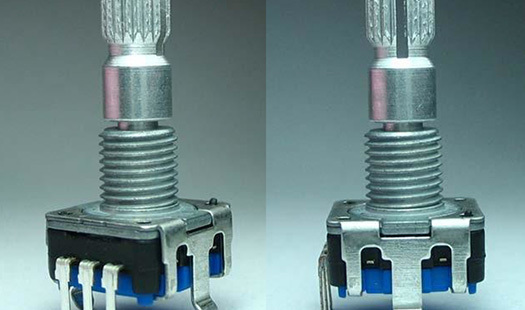
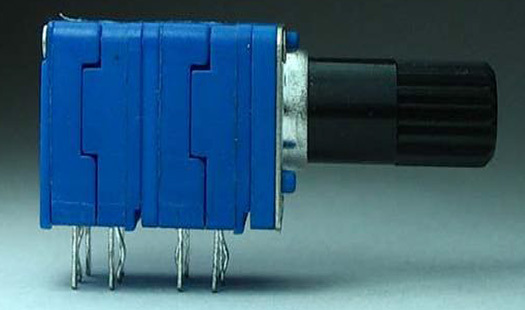

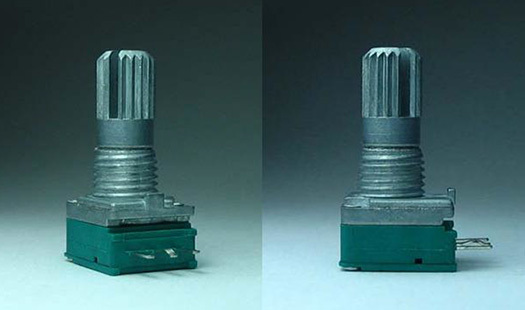
The Key Features and Applications of the 9mm Potentiometer
Feb 22,2025
The potentiometer 9mm is a compact and versatile electronic component utilized in numerous applications across various industries. As a type of variable resistor, it allows for the adjustment of voltage and current within a circuit, making it integral for controlling various functionalities in electrical devices. Understanding the characteristics and applications of this component can significantly enhance its implementation in your projects.

One of the key features of the 9mm potentiometer is its size. With a diameter of only 9mm, it is designed for space-constrained applications where larger components may not fit. This compact size does not compromise its functionality; it offers precise control over resistance, allowing engineers to fine-tune circuits effectively. Typically, these potentiometers are available in various resistance values, enabling flexibility in design to meet specific voltage and current requirements.
Another crucial aspect of the 9mm potentiometer is its construction. Potentiometers can be classified into different types, including linear and rotary styles. The linear potentiometer provides a straight-line variation of resistance, while the rotary type allows for resistance changes through rotational movement. The choice between these types often depends on the specific application, whether it involves adjusting volume, controlling brightness, or managing motor speed.
In terms of applications, the 9mm potentiometer is widely used in consumer electronics, automotive systems, and industrial equipment. For instance, these components are commonly found in audio equipment, where they serve as volume knobs, enabling users to adjust sound levels with precision. Additionally, in automotive applications, they are used in dashboard controls for adjusting settings such as climate control and infotainment systems.
Moreover, the 9mm potentiometer plays a significant role in the realm of sensors and feedback systems. In robotics and automation, they provide essential feedback to control systems, allowing for accurate position and speed control. This is particularly important in applications where precise movement is critical, such as CNC machines and robotic arms.
When selecting a potentiometer, it is essential to consider factors such as taper (linear or logarithmic), power rating, and lifespan. These parameters can significantly impact the performance and reliability of the component in its intended application.
In conclusion, the potentiometer 9mm is an invaluable component in the electronics industry, combining compactness and versatility. Its ability to provide adjustable resistance makes it a go-to choice for various applications, from consumer electronics to industrial machinery. Understanding its features and potential applications can help professionals make informed decisions when integrating potentiometers into their designs.
More Information
More Information
RECOMMENDED

Request Quote
Mobile: +86-13902648085
Email: tq@tianqiandz.com
Whatsapp: +86-19939624301
website: https://en.tianqiandz.com/


Request Quote