Dedicated to the manufacture of potentiometers, encoders, switches and sensors


Integrating New Rocker Potentiometers into Your Existing Systems
Mar 15,2025
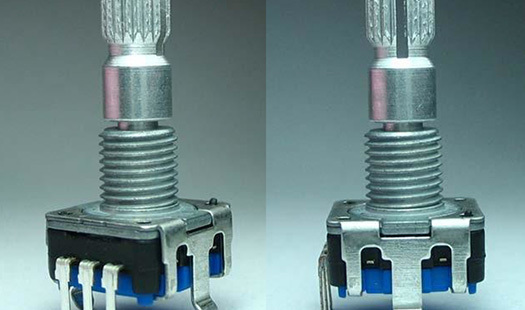
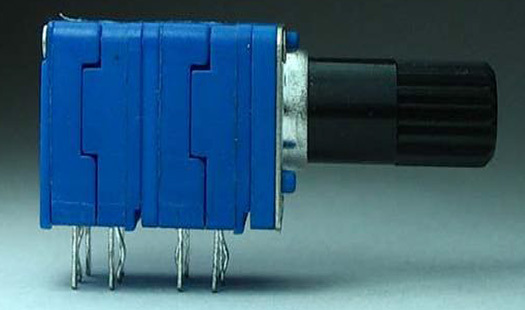
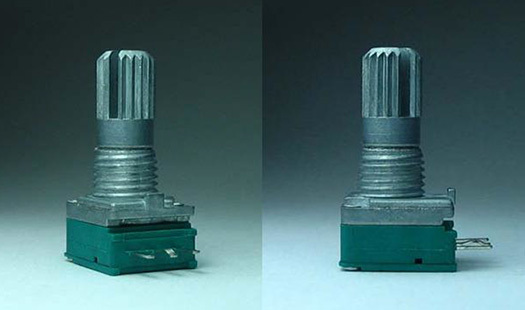
New rocker potentiometers, commonly referred to as rocker switches, play an essential role in various electronic systems. They offer a simple yet effective means of adjusting resistance within a circuit. Unlike traditional rotary potentiometers, rocker potentiometers can be activated with a simple press, making them user-friendly and efficient. Their design typically includes a rocker arm that pivots to connect different resistive paths, allowing for smooth transitions between resistance levels.
Benefits of Using Rocker Potentiometers in Modern Systems
Integrating rocker potentiometers into existing systems presents numerous advantages:
Enhanced User Experience
Rocker potentiometers provide tactile feedback that enhances user interaction. Their design allows for easy adjustment, which is particularly beneficial in environments where precision is crucial.

Space Efficiency
The compact design of rocker potentiometers makes them ideal for applications with limited space. They can be easily integrated into control panels without requiring extensive modifications to existing layouts.
Durability and Reliability
Rocker potentiometers are known for their robust construction, making them suitable for demanding environments. They can withstand frequent use without degradation, ensuring long-lasting performance.
Assessing Compatibility with Existing Systems
Before integrating new rocker potentiometers, it’s vital to assess their compatibility with your existing systems. This involves examining both electrical and mechanical specifications.
Electrical Compatibility
Check the voltage and current ratings of your current systems to ensure the new potentiometers can handle the required load. Additionally, consider the resistance values to match them with your system’s requirements.
Mechanical Specifications
The physical dimensions of the rocker potentiometers must fit within your existing equipment. Verify the mounting style and panel cut-out sizes to avoid any fitting issues during installation.
Key Features to Consider When Choosing Rocker Potentiometers
When selecting rocker potentiometers for integration, several key features must be evaluated:
Resistance Range
Select potentiometers with a resistance range that aligns with your application needs. This could vary from a few ohms to several kilo-ohms, depending on the specific use case.
Power Rating
Ensure the power rating of the rocker potentiometer meets or exceeds the requirements of your circuit to prevent overheating and potential failure.
Material Quality
The materials used in the construction of the potentiometer can impact its lifespan and performance. Look for components made from high-quality materials that can withstand environmental factors.
Step-by-Step Guide to Integrating Rocker Potentiometers
Integrating rocker potentiometers into existing systems can be accomplished through a series of systematic steps:
Step 1: Gather Necessary Tools and Equipment
Prepare all the tools and equipment needed for the integration process, including soldering tools, wire strippers, and multimeters.
Step 2: Disconnect Power Supply
Prior to beginning any installation work, always ensure that the power supply to the system is disconnected to avoid electrical shock and equipment damage.
Step 3: Remove Existing Components
Carefully remove any existing potentiometers or switches that will be replaced. Take note of the wiring configurations to facilitate reinstallation of new components.
Step 4: Install the New Rocker Potentiometers
Mount the new rocker potentiometers in the designated spaces on the control panel. Ensure they are securely fastened and properly aligned.
Step 5: Reconnect Wiring
Refer to the documentation or notes made during the removal of the previous components to reconnect the wiring accurately. Ensure all connections are solid to prevent failures.
Step 6: Test the Installation
Once everything is connected, restore power to the system and conduct tests to ensure that the rocker potentiometers function correctly. Adjust settings as needed.
Common Challenges and Solutions During Integration
Integration processes can often encounter challenges. Here are a few common issues and their respective solutions:
Issue 1: Compatibility Problems
If the new rocker potentiometers do not fit into existing spaces or do not match electrical specifications, consider using adapter brackets or altering the wiring configuration.
Issue 2: Performance Inconsistencies
Inconsistent performance may arise from poor connections. Double-check all wiring and ensure that components are adequately soldered and secured.
Issue 3: User Error
Users may inadvertently change settings during operation. To mitigate this, consider labeling potentiometers clearly and providing training on their operation.
Testing and Troubleshooting After Integration
Once integration is complete, thorough testing is essential to ensure optimal functionality. Here’s how to approach this phase:
Initial Testing
Conduct basic functionality tests to verify that the rocker potentiometers respond appropriately to adjustments. Monitor any fluctuations in performance.
Advanced Troubleshooting
If issues arise during testing, use a multimeter to check the resistance values and ensure that they align with specifications. Investigate any inconsistencies in the circuit.
Continuous Monitoring
After the initial testing phase, continue to monitor the performance of the rocker potentiometers over time. This helps identify any long-term issues early on.
Future Trends in Potentiometer Technology
As technology advances, potentiometers continue to evolve. Here are some trends to look out for:
Smart Potentiometers
The integration of smart technology into potentiometers allows for enhanced functionality, including remote monitoring and adjustments via mobile applications.
Improved Materials
Future potentiometers are likely to utilize advanced materials that improve durability and longevity, particularly in harsh environments.
Sustainability Initiatives
There is a growing trend towards developing eco-friendly potentiometers, focusing on sustainable materials and energy-efficient designs.
Integrating new rocker potentiometers into existing systems can enhance functionality, improve user experience, and ensure reliability. By understanding the benefits, assessing compatibility, and following a systematic integration process, you can successfully implement these essential components into your devices. As technology continues to advance, staying informed about the latest trends and developments in potentiometer technology will further enhance your systems' capabilities, paving the way for greater efficiency and innovation in your applications.
More Information
More Information
RECOMMENDED

Request Quote
Mobile: +86-13902648085
Email: tq@tianqiandz.com
Whatsapp: +86-19939624301
website: https://en.tianqiandz.com/


Request Quote