Dedicated to the manufacture of potentiometers, encoders, switches and sensors


Explore the Benefits of the Newest Potentiometer Slide for Your Projects
Mar 07,2025
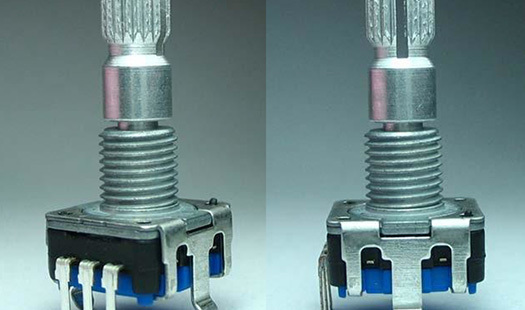
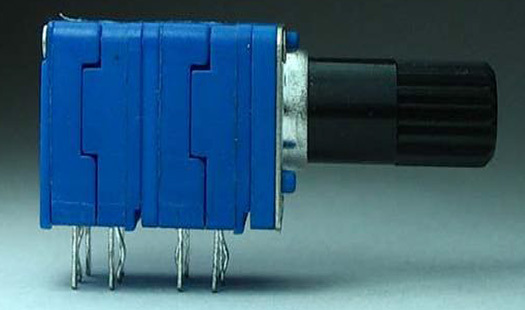
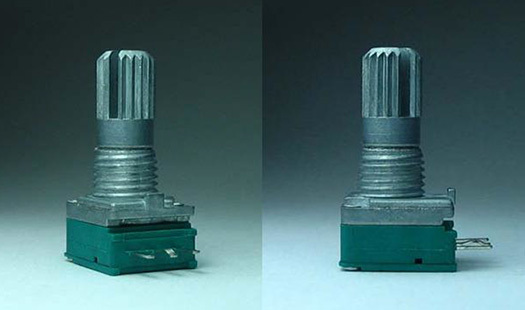
A potentiometer slide is a type of variable resistor that allows users to adjust the resistance in a circuit. The **newest potentiometer slides** come equipped with advanced features that enhance their performance and usability. Understanding how these components work is crucial for incorporating them effectively into your designs.
Essentially, a potentiometer consists of a resistive element and a movable contact, or wiper. As the wiper slides along the resistive material, it changes the resistance, allowing for variable control over current flow. This principle underlies many applications, from audio equipment to lighting controls.

Key Features of New Potentiometer Slides
The latest potentiometer slides offer several cutting-edge features that set them apart from their predecessors. Some of the most significant advancements include:
- Smooth Operation: Enhanced design ensures smooth sliding action for precise adjustments.
- Durability: Improved materials and construction techniques increase lifespan and reliability.
- Compact Design: Smaller sizes allow for integration into tight spaces without sacrificing functionality.
- Enhanced Feedback: Some models include tactile feedback that provides a satisfying response to adjustments.
- Customization Options: Users can choose from various resistance values, sizes, and configurations to suit specific applications.
Benefits of Using New Potentiometer Slides in Projects
Incorporating the newest potentiometer slides into your projects comes with a myriad of benefits:
1. Precision Control
The smooth operation of modern potentiometer slides allows for precise control over electrical parameters. This precision is particularly beneficial in audio and visual applications where accurate adjustments can significantly impact performance.
2. Enhanced User Experience
With tactile feedback and intuitive design, users enjoy a more engaging experience. Whether you’re designing a user interface for a home audio system or a professional-grade instrument, these features enhance usability and satisfaction.
3. Versatility
The adaptability of potentiometer slides makes them suitable for a wide range of applications, from consumer electronics to industrial machinery. Their ability to be customized further extends their utility in various projects.
4. Reliability and Longevity
Incorporating durable materials and superior construction techniques, modern potentiometer slides boast increased longevity. This reliability reduces the need for frequent replacements, which is particularly valuable in projects requiring consistent performance.
5. Cost-Effectiveness
Despite their advanced features, the newest potentiometer slides are often competitively priced. The reduction in replacement costs and enhanced functionality can lead to significant savings over time.
Application Areas for Potentiometer Slides
Potentiometer slides find applications across a variety of industries. Here are some common areas where you can leverage their benefits:
1. Consumer Electronics
From audio mixers to home theater systems, potentiometer slides are integral in allowing users to adjust sound levels and settings easily.
2. Automotive Controls
In vehicles, potentiometer slides are used for functions like controlling volume levels, air conditioning settings, and other dashboard controls.
3. Industrial Equipment
In industrial settings, these components are essential for machines that require variable control settings, ensuring operators can fine-tune operations effectively.
4. Musical Instruments
Musicians benefit from potentiometer slides in instruments like keyboards, enabling them to adjust tonal qualities and volume with precision.
5. Medical Devices
Modern medical equipment often requires precise controls for various functions, making potentiometer slides ideal for user interface designs.
How to Choose the Right Potentiometer Slide for Your Project
Selecting the appropriate potentiometer slide involves considering several factors:
1. Resistance Value
Choose a resistance value that aligns with the needs of your project. Ensure it complements the circuit design for optimal performance.
2. Size and Form Factor
Consider the physical space available for installation. Compact designs may be necessary for smaller projects or devices.
3. Operating Environment
Assess the environmental conditions where the potentiometer will be used. If exposure to moisture or extreme temperatures is a concern, select models with appropriate ratings.
4. Feedback Mechanism
Decide whether tactile feedback is necessary for your application. This feature can enhance user interaction, especially in consumer-facing products.
5. Budget Considerations
Finally, factor in your budget. While higher-quality potentiometer slides may have a higher upfront cost, their longevity and reliability can offer better value over time.
Installation Tips and Best Practices
To maximize the performance of your potentiometer slide, follow these installation tips:
1. Ensure Proper Connections
Double-check that all connections are secure and correctly positioned. Poor connections can lead to inconsistent performance.
2. Test Before Finalizing Installation
Before permanently mounting the potentiometer, conduct tests to confirm that it operates as expected within your circuit design.
3. Use Protective Enclosures
If the potentiometer will be exposed to harsh conditions, consider using protective enclosures to shield it from potential damage.
4. Document Your Setup
Keep detailed records of your installation process, including schematics and any specific settings used. This documentation can be invaluable for future maintenance or troubleshooting.
Maintenance and Troubleshooting for Potentiometer Slides
To ensure the longevity of your potentiometer slides, implement regular maintenance practices:
1. Periodic Cleaning
Dust and debris can accumulate over time, affecting performance. Regularly clean the potentiometer with appropriate methods to maintain its functionality.
2. Check for Wear
Inspect the potentiometer for signs of wear or damage. If the sliding action becomes stiff or unresponsive, it may need replacement.
3. Troubleshooting Common Issues
If you encounter issues such as inconsistent resistance or circuit failure, review your connections and ensure the potentiometer is compatible with your circuit design.
Future Trends in Potentiometer Technology
The landscape of potentiometer technology is continuously evolving. Future trends are likely to include:
1. Smart Potentiometers
The integration of IoT and smart technology into potentiometers will enable advanced functionalities, allowing for remote adjustments and monitoring.
2. Increased Customization
As user needs become more specific, manufacturers will likely offer more customizable options, allowing engineers and designers to tailor potentiometers for niche applications.
3. Sustainable Materials
With a growing emphasis on sustainability, the use of eco-friendly materials in potentiometer construction is expected to rise, appealing to environmentally conscious consumers.
The newest potentiometer slides are revolutionizing the way we interact with electronic devices and systems. With their precise control, durability, and versatility, they are essential components that enhance performance across a multitude of applications. By understanding their features and benefits, as well as how to choose, install, and maintain them, you can significantly elevate your electronic projects. Embracing this technology not only improves functionality but also enriches user experience, paving the way for innovative designs in the ever-evolving field of electronics. As we look to the future, potentiometer slides will undoubtedly continue to play a crucial role in shaping the landscape of technology and user interaction.
More Information
More Information
RECOMMENDED

Request Quote
Mobile: +86-13902648085
Email: tq@tianqiandz.com
Whatsapp: +86-19939624301
website: https://en.tianqiandz.com/


Request Quote