Dedicated to the manufacture of potentiometers, encoders, switches and sensors

Understanding Quality Fader Potentiometers: Key Insights for Professionals
Mar 08,2025
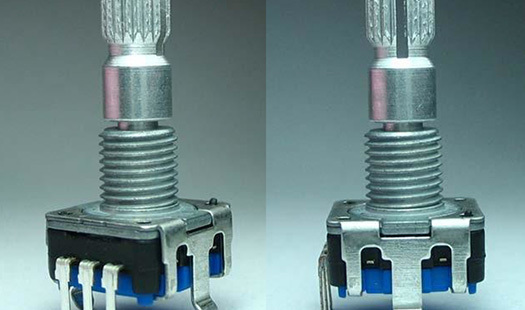
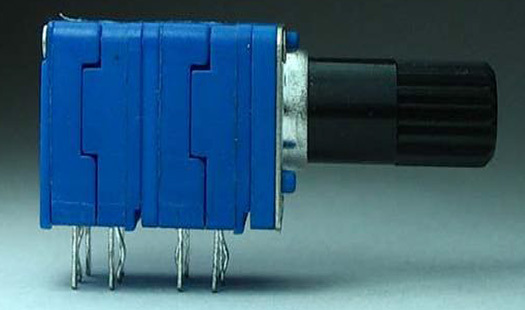
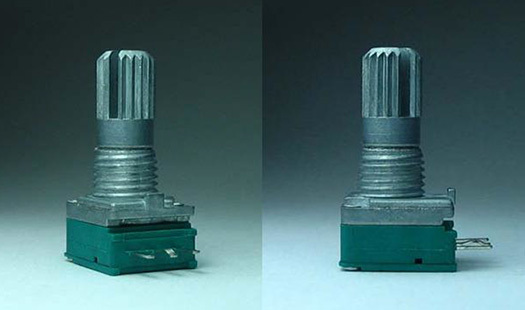
Quality fader potentiometers play a pivotal role in the electronic components sector, particularly within the realm of potentiometers. As essential components in various audio and control applications, understanding their function, types, and selection criteria is vital for professionals in the industry.
At its core, a fader potentiometer is a variable resistor that allows for adjustable resistanc
Quality fader potentiometers play a pivotal role in the electronic components sector, particularly within the realm of potentiometers. As essential components in various audio and control applications, understanding their function, types, and selection criteria is vital for professionals in the industry.
At its core, a fader potentiometer is a variable resistor that allows for adjustable resistance within a circuit. This feature is particularly useful in audio devices, where users often require precise control over volume levels, tone adjustments, or balance settings. The "fader" aspect typically refers to the linear or slider design, which provides a user-friendly interface for making gradual adjustments. This design contrasts with rotary potentiometers, which require circular motion, making faders more intuitive in many applications, especially in live sound and studio equipment.
When discussing quality fader potentiometers, several factors determine their performance and reliability. First and foremost is the construction material. High-quality potentiometers often utilize conductive plastic or carbon elements, which offer superior longevity and stability over time. Additionally, the physical design, including the slider mechanism and housing, must be robust to withstand frequent use, particularly in professional audio settings.
Another critical aspect to consider is the potentiometer’s specifications, including its resistance value, tolerance, and power rating. Resistance values typically range from a few ohms to several megohms, depending on the intended application. The tolerance indicates how much the actual resistance can deviate from its specified value, which is crucial for maintaining consistent performance in sensitive electronic circuits. Furthermore, power ratings are essential; exceeding these ratings can lead to component failure, impacting the overall functionality of the device.
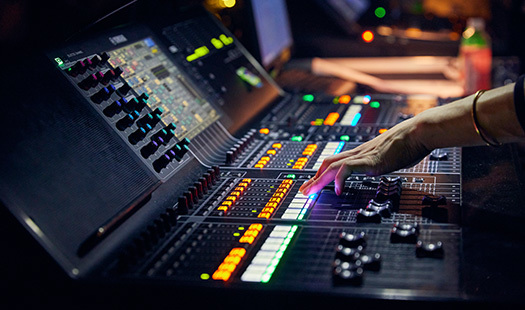
In terms of applications, quality fader potentiometers are widely used in mixing consoles, audio playback devices, and even in lighting control systems. Their ability to provide smooth, linear adjustments makes them ideal for scenarios where precision is paramount. This versatility extends beyond audio to other fields, such as automotive controls and industrial machinery, where user interface control is necessary.
For professionals looking to select the right quality fader potentiometer, it’s essential to evaluate the project requirements thoroughly. Consider the environmental conditions, expected lifespan, and the specific nuances of your application. Consulting with manufacturers or trusted suppliers can also help ensure that the chosen component meets the necessary standards and provides the level of performance required.
In conclusion, quality fader potentiometers are crucial components in the electronic components industry. By understanding their functions, characteristics, and applications, professionals can make informed choices to enhance their projects and ensure reliability in their designs.
More Information
More Information
RECOMMENDED

Request Quote
Mobile: +86-13902648085
Email: tq@tianqiandz.com
Whatsapp: +86-19939624301
website: https://en.tianqiandz.com/


Request Quote