Dedicated to the manufacture of potentiometers, encoders, switches and sensors

Exploring Different Types of Potentiometers for Audio Applications: A Comprehensive Guide
Feb 08,2026
Exploring Different Types of Potentiometers for Audio Applications
Table of Contents
- Understanding Potentiometers: Basics Explained
- Types of Potentiometers for Audio Applications
- Applications of Potentiometers in Audio Devices
- Choosing the Right Potentiometer for Your Audio Project
- Common Misconceptions About Potentiometers
- Maintenance and Care for Potentiometers
- Frequently Asked Questions
- Conclusion: Making the Right Choice with Potentiometers
Understanding Potentiometers: Basics Explained
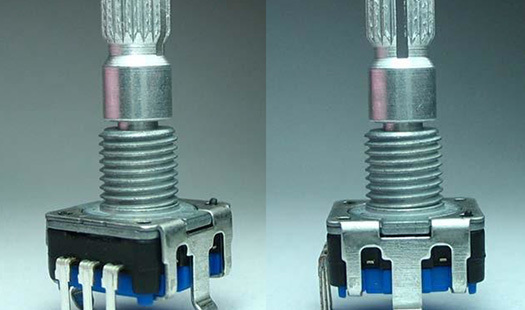
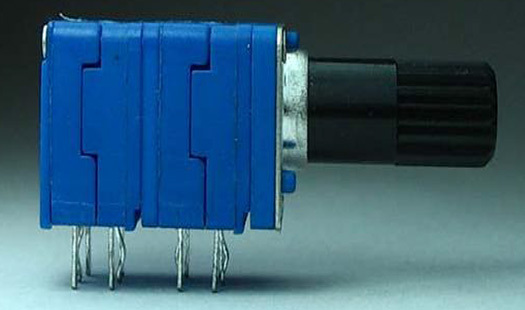
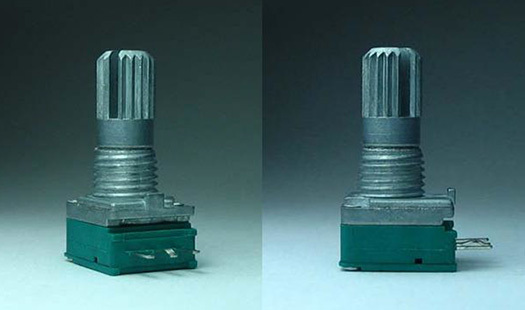
Potentiometers, often referred to as “pots,” are variable resistors that allow for the adjustment of electrical resistance. They are integral components in various electronic devices, especially in audio applications. By adjusting the resistance, users can control voltage levels and current flowing through the circuit, making potentiometers essential for volume control, tone adjustment, and overall audio signal management.
Types of Potentiometers for Audio Applications
There are several types of potentiometers designed for specific functions in audio applications. Understanding these types is crucial for selecting the right component for your project.
Linear Potentiometers
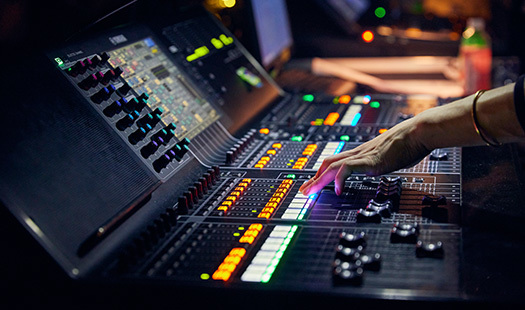
Linear potentiometers feature a resistance that varies linearly with the rotation of the knob or slider. This means that a half-turn of the knob corresponds to approximately half the resistance value. They are commonly used in applications where precise adjustments are necessary, such as tone controls and faders. Their straightforward nature makes them a popular choice for audio mixing consoles.
Logarithmic Potentiometers
Logarithmic potentiometers, also known as audio taper potentiometers, are specifically designed for audio applications. Unlike linear pots, the resistance changes logarithmically. This characteristic is beneficial for human hearing, as our perception of sound intensity is logarithmic. These potentiometers are typically found in volume controls and are preferred for their smoother audio transition.
Digital Potentiometers
Digital potentiometers utilize digital signals to control resistance. They offer precise adjustments and can be interfaced with microcontrollers, making them ideal for modern audio equipment. These potentiometers provide features like programmable settings and remote control capabilities, enhancing the functionality of audio devices.
Trimmer Potentiometers
Trimmer potentiometers, or trim pots, are small, adjustable resistors used for fine-tuning circuits. They are often found in the calibration of audio devices, allowing engineers to make minor adjustments to the audio signal. While not typically used for user controls, they play a crucial role in maintaining the accuracy of audio equipment.
Applications of Potentiometers in Audio Devices
Potentiometers are ubiquitous in audio devices. Here are some common applications:
- Volume Control: Most audio devices, from amplifiers to mixers, incorporate potentiometers to adjust volume levels. The choice between linear and logarithmic pots can significantly affect user experience.
- Tone Control: Tone controls often utilize linear potentiometers to adjust bass and treble frequencies. This allows users to customize the audio output to their preference.
- Balance Control: In stereo systems, balance controls adjust the relative volume between left and right channels using potentiometers to create an immersive audio experience.
- Equalization: Graphic equalizers use multiple potentiometers to allow users to control specific frequency bands, enhancing the overall sound quality.
- Effects Pedals: In musical instrument effects pedals, potentiometers adjust the intensity of effects, such as reverb or distortion, giving musicians control over their sound.
Choosing the Right Potentiometer for Your Audio Project
Selecting the appropriate potentiometer for an audio application involves several considerations:
- Type: Determine whether a linear or logarithmic potentiometer suits your needs. For volume control, logarithmic is generally preferred.
- Resistance Value: Choose a resistance value that aligns with the specifications of your audio device. Common values range from 10kΩ to 1MΩ.
- Size and Form Factor: Ensure the potentiometer fits well into your design space. Trimmer pots are compact, while larger pots may offer easier user interaction.
- Quality: Invest in high-quality potentiometers, as they can impact the fidelity and durability of your audio equipment.
Common Misconceptions About Potentiometers
There are several misconceptions surrounding potentiometers that can lead to poor choices in audio applications:
- All Potentiometers are the Same: Different types serve distinct purposes. Understanding the differences helps in selecting the right one.
- Digital Potentiometers are Always Better: While digital pots offer precision, their complexity may not be necessary for all applications.
- Higher Resistance Equals Better Quality: The quality of a potentiometer is not solely determined by its resistance value; construction and materials also play a significant role.
Maintenance and Care for Potentiometers
To ensure longevity and optimal performance of potentiometers in audio applications, regular maintenance is essential:
- Cleaning: Dust and grime can accumulate, affecting performance. Use contact cleaner to gently clean the potentiometer.
- Avoiding Overuse: Excessive turning can wear out the potentiometer. Use them judiciously to extend their lifespan.
- Storage: Store audio equipment in a clean, dry environment to prevent damage to potentiometers.
Frequently Asked Questions
1. What is the difference between linear and logarithmic potentiometers?
Linear potentiometers change resistance uniformly, while logarithmic potentiometers change resistance logarithmically, making them more suited for audio volume control due to human hearing perception.
2. Can I use a digital potentiometer in place of an analog one?
While digital potentiometers can replace analog ones in many applications, ensure compatibility with your device’s circuitry and control methods.
3. How do I know the right resistance value for my potentiometer?
Refer to your audio device’s specifications to determine the optimal resistance value. Common values for audio applications range from 10kΩ to 1MΩ.
4. Are there any specific potentiometers for guitar pedals?
Yes, many guitar pedals use logarithmic potentiometers for volume and tone controls. Some may also use linear pots for other functions.
5. What are the signs that a potentiometer needs replacement?
Common signs include crackling sounds during adjustment, difficulty in turning the knob, or complete failure to adjust the sound level.
Conclusion: Making the Right Choice with Potentiometers
Potentiometers are integral components in audio applications, influencing the quality and functionality of sound devices. Understanding the different types—linear, logarithmic, digital, and trimmer potentiometers—enables us to make informed choices tailored to specific needs. Whether for simple volume control or complex audio mixing, selecting the right potentiometer plays a crucial role in achieving desired audio outcomes. By considering factors such as resistance value, type, and quality, we can ensure the best performance from our audio equipment, enhancing our listening experiences significantly.
More Information
More Information
RECOMMENDED

Request Quote
Mobile: +86-13902648085
Email: tq@tianqiandz.com
Whatsapp: +86-19939624301
website: https://en.tianqiandz.com/


Request Quote