Dedicated to the manufacture of potentiometers, encoders, switches and sensors


Understanding Yamaha Potentiometers: A Guide to Essential Electronic Components
Feb 03,2026
Potentiometers are essential electronic components that play a crucial role in various applications, particularly in the devices produced by Yamaha. Commonly found in audio equipment, musical instruments, and other electronic devices, potentiometers serve as variable resistors, allowing users to adjust levels such as volume, tone, and other parameters. Understanding the functionality and types of
Potentiometers are essential electronic components that play a crucial role in various applications, particularly in the devices produced by Yamaha. Commonly found in audio equipment, musical instruments, and other electronic devices, potentiometers serve as variable resistors, allowing users to adjust levels such as volume, tone, and other parameters. Understanding the functionality and types of potentiometers can significantly enhance your experience with Yamaha products.
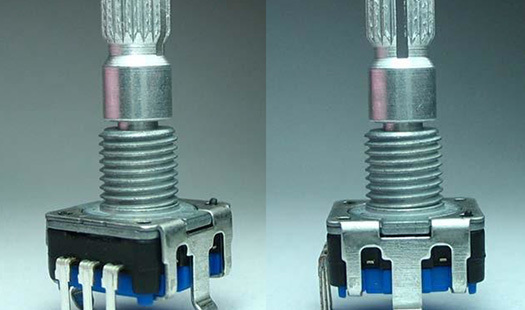
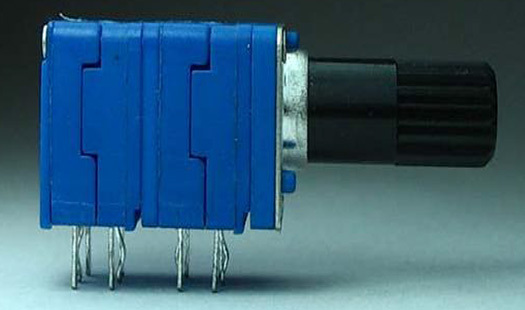
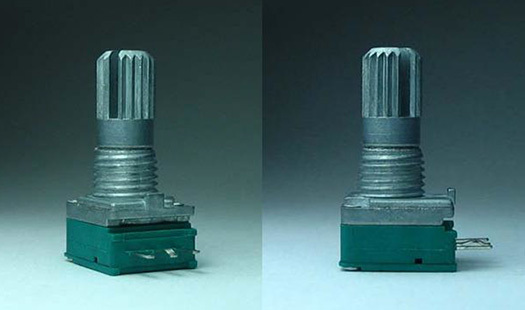
At its core, a potentiometer consists of three terminals: two are connected to a resistive element, while the third terminal connects to a movable wiper. As the wiper moves along the resistive element, it changes the resistance between the wiper and the terminals, resulting in variations in voltage. This functionality is critical in applications that require fine-tuning, such as adjusting sound levels in audio mixers or balancing controls in synthesizers.
When discussing Yamaha potentiometers, it's important to note that they can be categorized into two main types: linear and logarithmic. Linear potentiometers provide a direct relationship between the position of the wiper and the resistance, making them ideal for applications where precision is paramount. On the other hand, logarithmic potentiometers, often referred to as audio taper pots, change resistance in a logarithmic manner and are typically used in audio applications. This makes them particularly suitable for volume controls, as the human ear perceives sound intensity in a logarithmic fashion.
Choosing the right potentiometer for a Yamaha device involves understanding its specifications, including resistance value, taper type, and physical dimensions. Yamaha products often require specific potentiometers tailored to their design and functionality. Therefore, when replacing a potentiometer, it's crucial to match these specifications to ensure optimal performance.
In addition to their role in audio applications, potentiometers are also used in other Yamaha devices such as keyboards, mixers, and effects units. For instance, in a synthesizer, potentiometers facilitate the manipulation of sound parameters, enabling musicians to create unique audio experiences.
When working with Yamaha potentiometers, it's advisable to consider factors such as durability, reliability, and ease of use. High-quality potentiometers can withstand continuous use, ensuring that your Yamaha device remains functional over time. Moreover, understanding how to properly integrate and solder potentiometers into circuits can prevent common issues such as noise or signal degradation.
In conclusion, Yamaha potentiometers are crucial components that enable users to manipulate and control electronic devices effectively. By familiarizing yourself with their types, functions, and specifications, you can enhance your knowledge and improve your experience with Yamaha products. Whether you are repairing, modifying, or creating, understanding the role of potentiometers will empower you to work more efficiently with electronic components in the Yamaha ecosystem.
At its core, a potentiometer consists of three terminals: two are connected to a resistive element, while the third terminal connects to a movable wiper. As the wiper moves along the resistive element, it changes the resistance between the wiper and the terminals, resulting in variations in voltage. This functionality is critical in applications that require fine-tuning, such as adjusting sound levels in audio mixers or balancing controls in synthesizers.
When discussing Yamaha potentiometers, it's important to note that they can be categorized into two main types: linear and logarithmic. Linear potentiometers provide a direct relationship between the position of the wiper and the resistance, making them ideal for applications where precision is paramount. On the other hand, logarithmic potentiometers, often referred to as audio taper pots, change resistance in a logarithmic manner and are typically used in audio applications. This makes them particularly suitable for volume controls, as the human ear perceives sound intensity in a logarithmic fashion.
Choosing the right potentiometer for a Yamaha device involves understanding its specifications, including resistance value, taper type, and physical dimensions. Yamaha products often require specific potentiometers tailored to their design and functionality. Therefore, when replacing a potentiometer, it's crucial to match these specifications to ensure optimal performance.
In addition to their role in audio applications, potentiometers are also used in other Yamaha devices such as keyboards, mixers, and effects units. For instance, in a synthesizer, potentiometers facilitate the manipulation of sound parameters, enabling musicians to create unique audio experiences.
When working with Yamaha potentiometers, it's advisable to consider factors such as durability, reliability, and ease of use. High-quality potentiometers can withstand continuous use, ensuring that your Yamaha device remains functional over time. Moreover, understanding how to properly integrate and solder potentiometers into circuits can prevent common issues such as noise or signal degradation.
In conclusion, Yamaha potentiometers are crucial components that enable users to manipulate and control electronic devices effectively. By familiarizing yourself with their types, functions, and specifications, you can enhance your knowledge and improve your experience with Yamaha products. Whether you are repairing, modifying, or creating, understanding the role of potentiometers will empower you to work more efficiently with electronic components in the Yamaha ecosystem.
More Information
More Information
RECOMMENDED

Request Quote
Mobile: +86-13902648085
Email: tq@tianqiandz.com
Whatsapp: +86-19939624301
website: https://en.tianqiandz.com/


Request Quote