Dedicated to the manufacture of potentiometers, encoders, switches and sensors

Crafting Custom Mixer Solutions with Potentiometers: A Comprehensive Guide
Jan 28,2025
Crafting Custom Mixer Solutions with Potentiometers
Table of Contents
1. Understanding Potentiometers: The Basics
2. The Role of Potentiometers in Audio Mixing
3. Types of Potentiometers for Custom Mixers
3.1 Linear Potentiometers
3.2 Logarithmic Potentiometers
3.3 Digital Potentiometers
4. Designing Your Custom Mixer with Potentiometers
4.1 Selecting the Right Potentiometer
4.2 Creating a Custom
Crafting Custom Mixer Solutions with Potentiometers
Table of Contents
1. Understanding Potentiometers: The Basics
2. The Role of Potentiometers in Audio Mixing
3. Types of Potentiometers for Custom Mixers
3.1 Linear Potentiometers
3.2 Logarithmic Potentiometers
3.3 Digital Potentiometers
4. Designing Your Custom Mixer with Potentiometers
4.1 Selecting the Right Potentiometer
4.2 Creating a Custom Circuit
5. Practical Applications of Potentiometers in Mixers
6. Troubleshooting Common Issues with Potentiometers
7. Future Trends in Potentiometer Technology
8. FAQs About Potentiometers and Custom Mixers
9. Conclusion
1. Understanding Potentiometers: The Basics
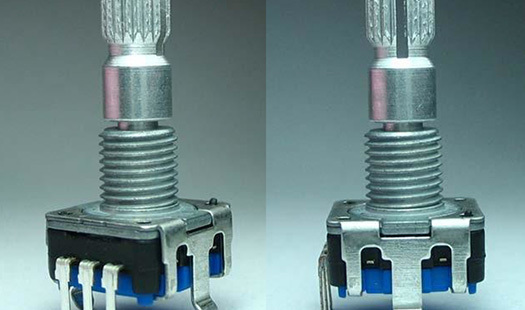
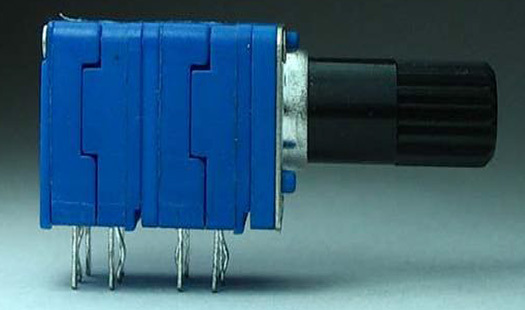
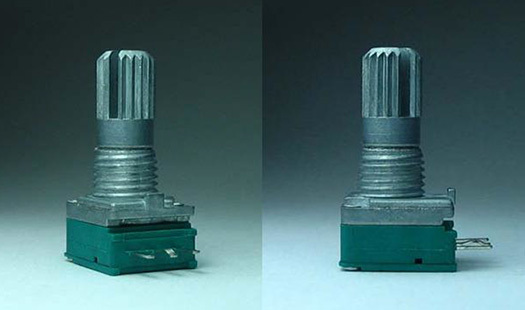
Potentiometers are crucial components in many electronic devices, particularly in audio equipment. They function as variable resistors, allowing users to adjust the voltage and control various parameters such as volume, tone, and balance. By manipulating the resistance, potentiometers help achieve desired audio levels and quality. Understanding their basic operation is essential for anyone looking to design custom mixer solutions.
2. The Role of Potentiometers in Audio Mixing
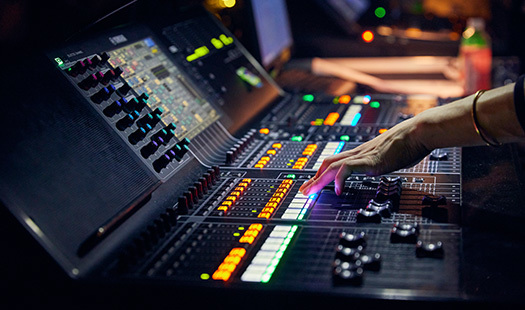
In the realm of audio mixing, potentiometers serve as the primary means of user interaction. They allow sound engineers and musicians to manipulate audio signals in real-time. The versatility of potentiometers makes them ideal for various functions, including volume control, equalization, and fade effects. This chapter delves into the importance of potentiometers in achieving the perfect mix and how they enhance user experience.
3. Types of Potentiometers for Custom Mixers
Choosing the right type of potentiometer is crucial for the performance of your custom mixer. Each type has distinct characteristics and applications.
3.1 Linear Potentiometers
Linear potentiometers provide a direct relationship between the position of the knob and the change in resistance. This makes them ideal for applications requiring precise adjustments, such as volume control in audio mixers.
3.2 Logarithmic Potentiometers
Logarithmic potentiometers are often used in audio applications because human hearing perceives sound in a logarithmic manner. This type of potentiometer allows for more natural volume adjustments, especially at lower levels.
3.3 Digital Potentiometers
Digital potentiometers offer advanced control options by integrating with microcontrollers. They provide greater flexibility, including remote control functionality and programmable settings. These are particularly useful in modern digital audio workstations (DAWs).
4. Designing Your Custom Mixer with Potentiometers
Designing a custom mixer requires careful consideration of various factors, including the type of potentiometers, circuit design, and user interface.
4.1 Selecting the Right Potentiometer
Choosing the right potentiometer involves evaluating factors such as resistance value, taper type, and physical size. Understanding the specific needs of your mixer will guide you in selecting the ideal potentiometer for optimal performance.
4.2 Creating a Custom Circuit
Once the right potentiometers are selected, the next step is designing the circuit. This involves connecting the potentiometers to the mixer’s audio paths, ensuring minimal interference and optimal signal flow. Proper circuit design plays a vital role in the overall performance of the custom mixer.
5. Practical Applications of Potentiometers in Mixers
Potentiometers find numerous applications in audio mixing, helping to achieve a wide range of audio effects and controls. They are integral in:
- Volume Control: Adjusting the overall loudness of the audio.
- Tone Control: Modifying treble and bass levels for a balanced sound.
- Panning: Distributing audio signals between left and right channels.
- Effects Control: Managing the intensity of effects such as reverb and delay.
Each of these applications demonstrates the versatility and importance of potentiometers in creating high-quality audio experiences.
6. Troubleshooting Common Issues with Potentiometers
While potentiometers are reliable components, they can encounter issues over time. Common problems include:
- **Scratchy Sounds:** Often caused by dirt or oxidation on the potentiometer contacts. Cleaning or replacing the component can resolve this issue.
- **Inconsistent Resistance:** This can occur if the potentiometer is faulty or damaged. Testing with a multimeter can help identify the problem.
- **Mechanical Failures:** Potentiometers can wear out, leading to failure in their operation. Regular maintenance can extend their lifespan.
Understanding these issues allows users to maintain their custom mixers effectively.
7. Future Trends in Potentiometer Technology
The evolution of technology continues to impact potentiometers and their applications. Emerging trends include:
- **Smart Potentiometers:** Integration with IoT devices for remote control and automation.
- **Enhanced Durability:** Development of materials that increase the lifespan and reliability of potentiometers.
- **Software Integration:** Greater compatibility with digital audio software, allowing for more complex mixing capabilities.
These advancements promise to enhance the functionality and user experience of custom audio mixers.
8. FAQs About Potentiometers and Custom Mixers
**Q1: What is a potentiometer?**
A potentiometer is a type of variable resistor used to control electrical signals, commonly used in audio equipment for volume and tone control.
**Q2: How do I choose the right potentiometer for my mixer?**
Consider factors such as resistance value, taper type, and physical size, based on the specific function you require.
**Q3: Can I use digital potentiometers in analog mixers?**
While digital potentiometers are primarily designed for digital applications, they can be integrated into analog mixers with proper circuit design.
**Q4: What are the most common issues with potentiometers?**
Common issues include scratchy sounds, inconsistent resistance, and mechanical failures. Regular maintenance can help mitigate these problems.
**Q5: How do I clean a potentiometer?**
Use a contact cleaner specifically designed for electronics to clean potentiometers, ensuring to spray lightly and allow it to dry thoroughly before use.
9. Conclusion
Crafting custom mixer solutions with potentiometers can significantly enhance audio performance and user experience. From understanding the basics to selecting the right components and addressing common issues, this guide has provided comprehensive insights into the role of potentiometers in audio mixing. As technology evolves, potentiometers will continue to play a vital role in the customization and functionality of modern audio equipment. Embracing these components allows audio professionals to create mixers tailored to their unique specifications and preferences.
More Information
More Information
RECOMMENDED

Request Quote
Mobile: +86-13902648085
Email: tq@tianqiandz.com
Whatsapp: +86-19939624301
website: https://en.tianqiandz.com/


Request Quote