Dedicated to the manufacture of potentiometers, encoders, switches and sensors

Understanding Fader Potentiometers: Essential Components in Electronics
Jan 27,2025
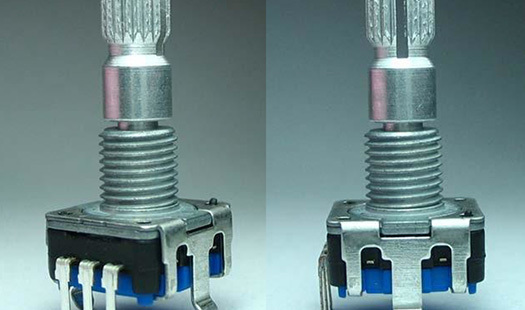
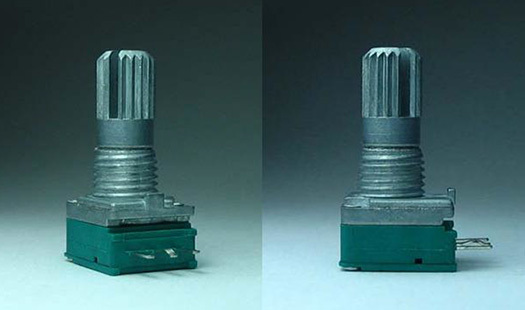
Fader potentiometers, commonly referred to as faders, play a crucial role in the realm of electronics, particularly in sound and control systems. These devices are specialized types of potentiometers designed to provide variable resistance, enabling users to adjust parameters smoothly. Unlike standard rotary potentiometers, fader potentiometers are linear in design, which means they allow adjustme
Fader potentiometers, commonly referred to as faders, play a crucial role in the realm of electronics, particularly in sound and control systems. These devices are specialized types of potentiometers designed to provide variable resistance, enabling users to adjust parameters smoothly. Unlike standard rotary potentiometers, fader potentiometers are linear in design, which means they allow adjustments through a sliding motion, making them ideal for applications where precision and ease of use are paramount.
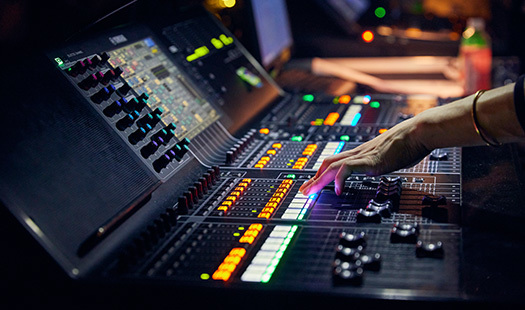
One of the most common uses of fader potentiometers is in audio mixing consoles, where they serve as volume controls for various audio channels. The linear movement of the fader allows sound engineers to make nuanced adjustments quickly, which can be critical during live performances or recording sessions. By sliding the fader up or down, users can increase or decrease the audio signal without the abrupt changes that might occur with other types of controls.
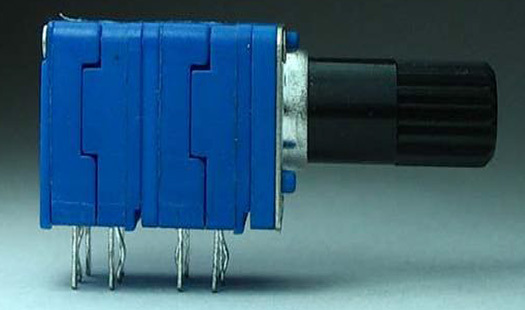
Fader potentiometers come in various types, including single and dual-channel configurations. Single-channel faders control one audio signal, while dual-channel faders manage two signals simultaneously, offering greater versatility and convenience for users. They are often available in various sizes and resistances, catering to different applications and user preferences.
Moreover, the construction of fader potentiometers often includes materials that ensure durability and longevity. They are typically built to withstand frequent use, which is essential in environments like recording studios, where equipment is regularly adjusted. The smooth sliding action is not only a design feature but also a critical factor in providing a satisfying user experience, allowing for intuitive control without the risk of sudden jumps in output.
Another significant aspect of fader potentiometers is their integration into various electronic devices beyond audio equipment. They are found in lighting control systems, video equipment, and even in consumer electronics like stereo systems and home theater setups. Their versatility makes them a staple component in many electronic circuits, contributing to their widespread use.
In conclusion, understanding fader potentiometers is essential for anyone involved in electronics, especially in audio and control applications. These devices offer a unique way to manage signals with precision and ease, enhancing the functionality and user experience of various electronic systems. Whether you are designing a new audio mixing console or looking to improve existing equipment, knowing the ins and outs of fader potentiometers will undoubtedly enrich your electronic endeavors.
More Information
More Information
RECOMMENDED

Request Quote
Mobile: +86-13902648085
Email: tq@tianqiandz.com
Whatsapp: +86-19939624301
website: https://en.tianqiandz.com/


Request Quote