Dedicated to the manufacture of potentiometers, encoders, switches and sensors


Understanding Potentiometer 22k: A Comprehensive Guide for Electronics Enthusiasts
Mar 03,2025
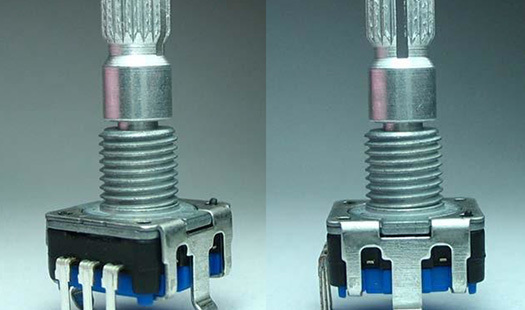
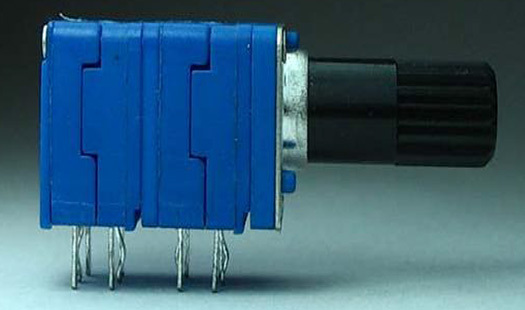
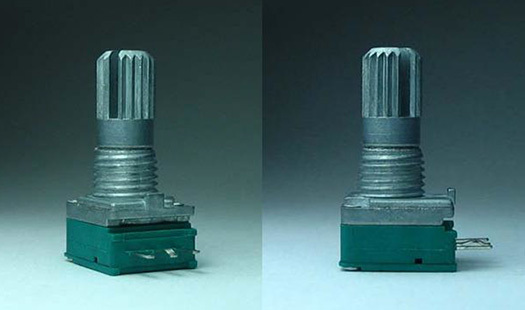
The potentiometer 22k, specifically, has a resistance value of 22,000 ohms, making it a versatile choice for many applications. It typically comes in two main types: linear and logarithmic. The linear potentiometer provides a uniform change in resistance, while the logarithmic type is often used in audio applications where sound perception is logarithmic.
The Construction of a 22k Potentiometer
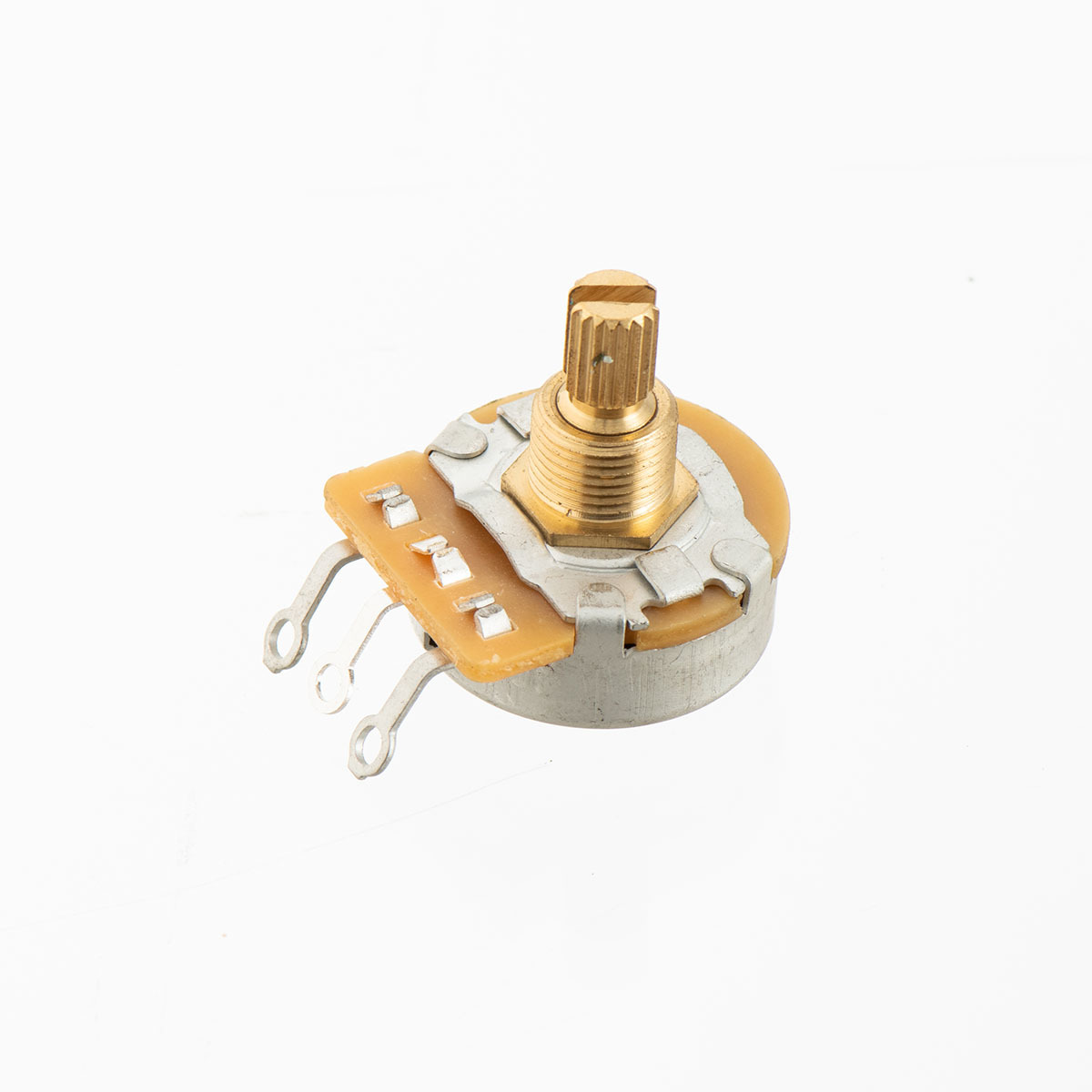
Inside a 22k potentiometer, you will typically find a resistive element made of carbon, conductive plastic, or cermet. The wiper, which is connected to the control knob, slides along this resistive path, allowing for variable resistance adjustments. The materials used in construction significantly affect the potentiometer's performance and durability.
Applications of 22k Potentiometers
22k potentiometers are widely used in various electronic devices for both consumer and industrial applications. Here are some common uses:
- Audio Equipment: Adjusting volume levels and tone controls in amplifiers and mixers.
- Variable Resistors: Serving as adjustable components in circuits where resistance changes are necessary.
- Signal Conditioning: In circuits for sensor signal adjustments or filtering.
- Control Systems: Acting as feedback elements in automated systems.
Advantages of Using 22k Potentiometers
Utilizing a 22k potentiometer offers several advantages:
- Versatility: Suitable for a range of applications due to its moderate resistance value.
- Ease of Use: Simple to implement in circuits, making them ideal for both beginners and experts.
- Cost-Effective: Generally affordable and widely available in electronic supply stores.
- Compact Size: Small form factor allows for easy integration into various devices.
Considerations When Choosing a Potentiometer
When selecting a potentiometer for your project, consider the following factors:
- Resistance Value: Ensure the resistance meets your circuit's requirements.
- Type of Potentiometer: Choose between linear and logarithmic based on your specific needs.
- Power Rating: Check the maximum power rating to prevent overheating.
- Form Factor: Ensure it fits within your project's design constraints.
How to Select the Right Potentiometer for Your Project
Selecting the right potentiometer involves understanding both your project requirements and the specifications of the potentiometer. Here’s a step-by-step guide:
- Identify Your Needs: Determine the function of the potentiometer in your circuit, whether it’s for volume control, signal adjustment, or another purpose.
- Evaluate Resistance Requirements: Ensure the chosen potentiometer matches the required resistance value, such as 22k ohms.
- Consider the Environment: If the potentiometer will be used in harsh conditions, look for options that offer better durability and resistance to environmental factors.
- Check for Compatibility: Make sure the potentiometer is compatible with other components in your circuit.
Installation and Wiring of 22k Potentiometers
Installing a 22k potentiometer in your circuit is straightforward. Follow these basic steps:
- Identify Terminals: A typical potentiometer has three terminals: one for the input voltage, one for the output voltage, and the third connected to ground.
- Connect the Input Terminal: Connect the first terminal to the power source of your circuit.
- Connect the Output Terminal: The output terminal should be connected to the component you wish to control (e.g., an audio amplifier).
- Ground Connection: Ensure the third terminal is connected to the ground to complete the circuit.
Best Practices for Wiring Potentiometers
To ensure optimal performance, consider these best practices:
- Use Proper Gauge Wire: Select wire gauging that suits the current flowing through the potentiometer.
- Avoid Excessive Force: Handle the potentiometer gently to avoid damaging the internal components.
- Secure Connections: Ensure all connections are tight to prevent intermittent failures.
Troubleshooting Common Issues with Potentiometers
Even seasoned electronics enthusiasts may encounter problems with potentiometers. Here are some common issues and their solutions:
- No Response: If the potentiometer does not adjust the voltage, check the wiring and ensure that all terminals are correctly connected.
- Static Noise: In audio applications, static noise can occur due to dust or dirt. Clean the potentiometer with contact cleaner.
- Inconsistent Resistance: If the resistance varies unexpectedly, the potentiometer may be faulty. Consider replacing it.
Understanding the functionality and applications of the 22k potentiometer is crucial for anyone in the electronics field. From audio devices to control systems, this versatile component plays an essential role in circuit design and implementation. By considering the factors discussed in this guide, you can confidently select, install, and troubleshoot potentiometers in your projects. With this knowledge, you are well-equipped to enhance your electronic designs and innovations.
More Information
More Information
RECOMMENDED

Request Quote
Mobile: +86-13902648085
Email: tq@tianqiandz.com
Whatsapp: +86-19939624301
website: https://en.tianqiandz.com/


Request Quote