Dedicated to the manufacture of potentiometers, encoders, switches and sensors

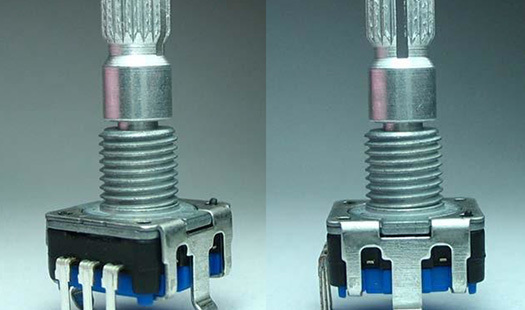
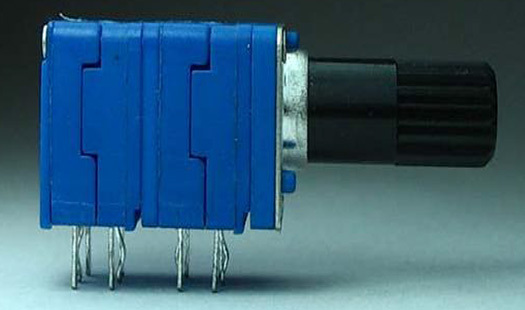

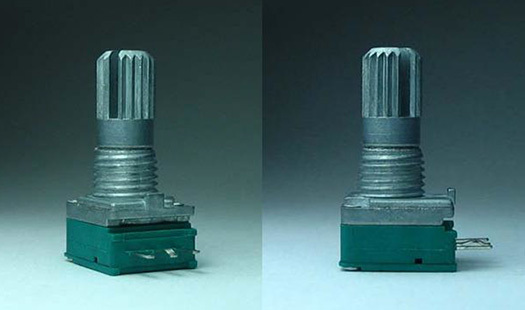
Understanding Rotary Potentiometers: Essential Components for Electronic Applications
Feb 24,2025
Potentiometer rotary, often simply referred to as "pots," are critical electronic components widely used in a variety of applications. At their core, these devices serve as variable resistors, allowing users to adjust the resistance within a circuit, thus enabling control over current and voltage levels. This functionality makes rotary potentiometers invaluable in audio equipment, lighting control, and many other electronic devices.
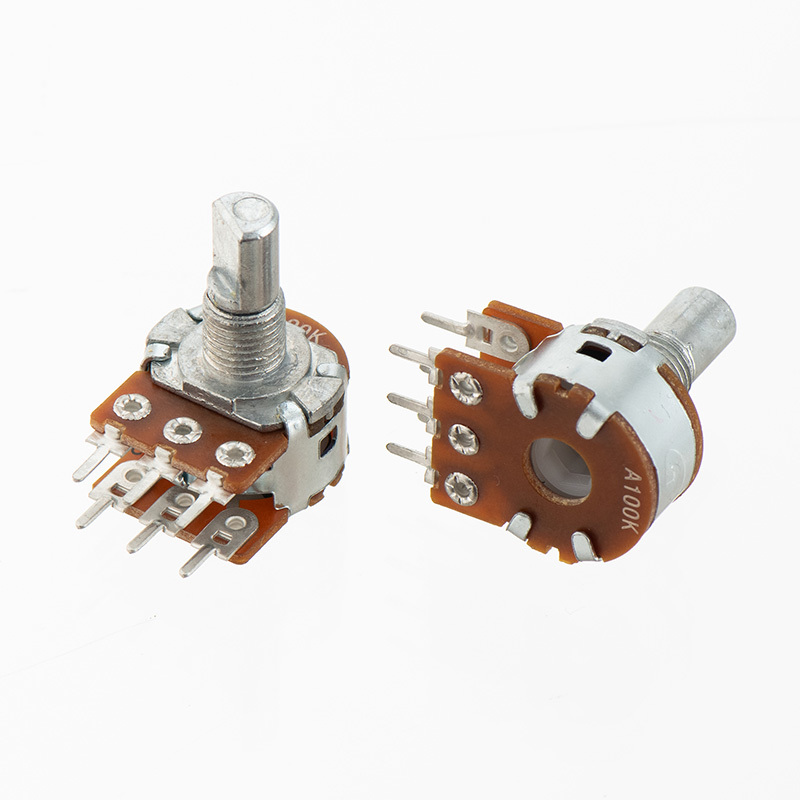
The basic structure of a rotary potentiometer includes a resistive element, a wiper, and terminals. The resistive element is typically a carbon or conductive plastic strip, while the wiper is a movable contact that slides along the resistive path as the knob is turned. By adjusting the position of the wiper, users can modify the resistance, effectively controlling the output signal. This adjustability is what makes rotary potentiometers so useful in applications where fine control of voltage or signal levels is required.
One of the primary advantages of rotary potentiometers is their ease of use. The simple rotational motion allows for intuitive control, making them ideal for user interfaces in radios, amplifiers, and other audio devices. For instance, turning the knob of a volume control adjusts the sound level, demonstrating a common application of rotary potentiometers in everyday technology.
Moreover, rotary potentiometers come in various forms, including linear, logarithmic, and audio taper types. Each type serves specific functions based on the desired application. Linear pots provide an equal change in resistance throughout their range, while logarithmic pots are designed to provide a response that closely matches human perception, which is particularly useful in audio applications. Understanding these differences is essential for selecting the right potentiometer for your project.
In addition to their utility in audio and lighting control, rotary potentiometers also find applications in robotics, instrumentation, and automotive systems. They can be employed for adjusting sensor inputs, calibrating measurement devices, and controlling motor speeds. The versatility of these components ensures that they play a crucial role in a myriad of electronic circuits.
When selecting a rotary potentiometer for a specific application, several factors should be considered, including resistance value, physical size, and the type of mounting required. Proper selection and installation can greatly influence the performance and longevity of the device in its intended application.
Potentiometer rotary components are essential components in the electronics industry, providing crucial functionality in countless devices. Their design and versatility make them a preferred choice for applications requiring variable resistance and user control. Whether you're working on audio equipment, lighting systems, or advanced electronic circuits, understanding the role and operation of rotary potentiometers will enhance your ability to design and implement effective solutions in your projects.
More Information
More Information
RECOMMENDED

Request Quote
Mobile: +86-13902648085
Email: tq@tianqiandz.com
Whatsapp: +86-19939624301
website: https://en.tianqiandz.com/


Request Quote