Dedicated to the manufacture of potentiometers, encoders, switches and sensors


Understanding Rotary Potentiometers: Essential Insights for Electronics Enthusiasts
Dec 05,2025
Rotary potentiometers are vital components in the realm of electronics, widely utilized for their ability to adjust voltage levels in various applications. These devices function as variable resistors, allowing users to control electrical signals through mechanical rotation. By understanding the intricacies of rotary potentiometers, you can effectively implement them into your projects or troubles
Rotary potentiometers are vital components in the realm of electronics, widely utilized for their ability to adjust voltage levels in various applications. These devices function as variable resistors, allowing users to control electrical signals through mechanical rotation. By understanding the intricacies of rotary potentiometers, you can effectively implement them into your projects or troubleshoot existing circuits.
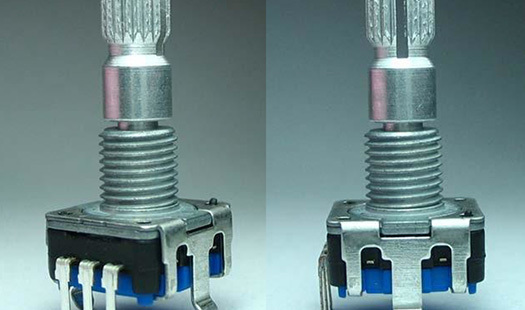
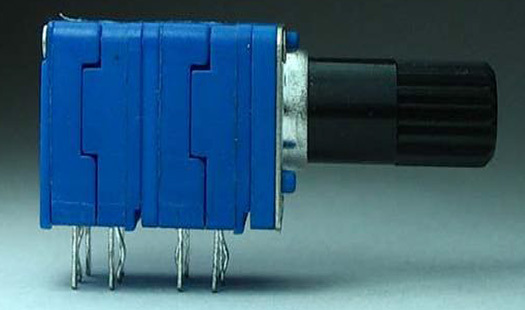
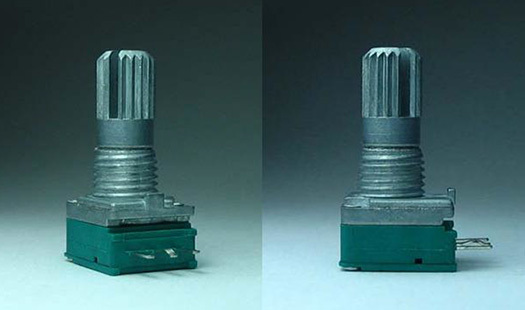
At the core of a rotary potentiometer is a resistive element that varies its resistance as the knob or shaft is turned. This change in resistance alters the voltage output, enabling users to finely tune devices such as audio equipment, lighting controls, and other electronic appliances. The design typically includes three terminals: one connected to the input voltage, another to the output voltage, and the third connected to the ground.
One of the key features of rotary potentiometers is their versatility. They come in various resistance values, taper types (linear or logarithmic), and physical sizes. Selecting the right type for your application is crucial; for instance, linear taper potentiometers provide a consistent change in resistance, while logarithmic taper ones are better suited for audio applications due to their response curve that matches human hearing perception.
When integrating a rotary potentiometer into your circuit, consider its power rating and the environment in which it will be used. For applications involving high power or in harsh conditions, ensure that the potentiometer can handle the required load and is protected against elements that could cause wear and tear.
In addition to their traditional role in volume control, rotary potentiometers find applications in sensor calibration, motor speed control, and as part of feedback systems in automated environments. Their ability to provide precise adjustments makes them invaluable in any electronics toolkit.
Maintenance of rotary potentiometers is straightforward but essential for optimal performance. Dust and grime can impede their function, so regular cleaning and ensuring proper installation can enhance their longevity.
In conclusion, rotary potentiometers play a crucial role in the electronic landscape, serving as essential tools for adjusting and fine-tuning various devices. By understanding their functionality and applications, you can leverage their capabilities to enhance your electronic projects. Whether you are a seasoned engineer or a hobbyist, mastering the use of rotary potentiometers can significantly expand your skill set in electronics.
More Information
More Information
RECOMMENDED

Request Quote
Mobile: +86-13902648085
Email: tq@tianqiandz.com
Whatsapp: +86-19939624301
website: https://en.tianqiandz.com/


Request Quote