Dedicated to the manufacture of potentiometers, encoders, switches and sensors


Unlocking Precision: The Role of a 100k Fancy Potentiometer in Your Circuit
Nov 10,2025
Unlocking Precision: The Role of a 100k Fancy Potentiometer in Your Circuit
Table of Contents
1. Introduction to Potentiometers
2. Understanding the 100k Fancy Potentiometer
2.1 Definition and Functionality
2.2 Types of Potentiometers
3. Applications of 100k Potentiometers
3.1 In Audio Equipment
3.2 In Sensor A
Unlocking Precision: The Role of a 100k Fancy Potentiometer in Your Circuit
Table of Contents
- 1. Introduction to Potentiometers
- 2. Understanding the 100k Fancy Potentiometer
- 3. Applications of 100k Potentiometers
- 4. Advantages of Using a 100k Potentiometer
- 5. Installation and Integration
- 6. Troubleshooting Common Issues
- 7. Frequently Asked Questions
- 8. Conclusion
1. Introduction to Potentiometers
Potentiometers are essential components in electronic circuits, serving as variable resistors that allow users to adjust voltage levels and control various parameters. Their functionality is pivotal in achieving desired outputs in numerous applications, from audio devices to intricate sensor systems. Among the wide array of potentiometers available, the **100k fancy potentiometer** stands out due to its unique features and versatility.
In this article, we will delve into the various aspects of the 100k fancy potentiometer, exploring its functionalities, applications, and advantages, as well as guiding you through installation and troubleshooting.
2. Understanding the 100k Fancy Potentiometer
2.1 Definition and Functionality
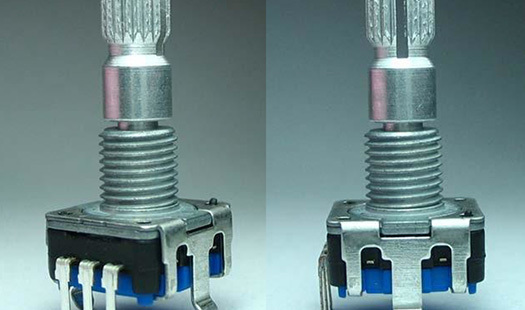
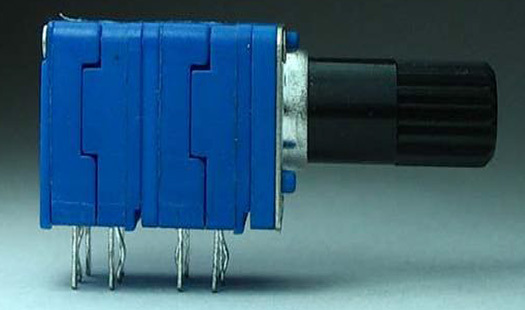
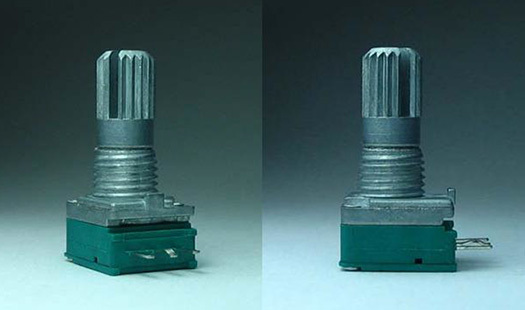
A **100k fancy potentiometer** is a variable resistor with a resistance value of 100,000 ohms. This type of potentiometer allows for fine adjustments to voltage levels within a circuit. By varying the resistance, users can control the current flow, which in turn affects the performance of various electronic components.
The construction of the fancy potentiometer typically includes a resistive track, a wiper that moves across the track, and terminals for connection. When the wiper position is altered, the resistance changes, providing an adjustable output voltage.
2.2 Types of Potentiometers
Potentiometers can be classified into several types based on their design and application:
1. **Linear Potentiometers**: As the name suggests, these potentiometers have a linear relationship between the position of the wiper and the resistance. This type is particularly useful in applications where a direct correlation is required.
2. **Logarithmic Potentiometers**: These have a logarithmic relationship, making them ideal for audio applications where human hearing perception is logarithmic.
3. **Digital Potentiometers**: These use digital signals to control resistance instead of mechanical movement, offering higher precision and reliability.
Understanding these types helps in selecting the appropriate potentiometer for specific circuit requirements.
3. Applications of 100k Potentiometers
The versatility of the **100k fancy potentiometer** allows it to be utilized in various electronic applications. Below, we highlight some prominent areas where these components excel.
3.1 In Audio Equipment
In audio systems, **100k potentiometers** are frequently employed for volume control, tone adjustment, and balance settings. The ability to adjust sound levels with precision enhances the listening experience, making it a favorite among audio engineers and enthusiasts alike.
When integrated into audio circuits, these potentiometers can significantly improve signal quality and reduce noise, ensuring that sound output remains clear and distortion-free.
3.2 In Sensor Applications
Another key application of the 100k potentiometer is in sensor systems. These potentiometers can be used to calibrate sensors, ensuring accurate readings in various environments. For instance, in temperature sensors or position sensors, they help in achieving precise measurements by allowing for fine-tuning of the resistance values.
The reliability and stability of the **100k fancy potentiometer** make it an excellent choice for high-precision sensor applications.
4. Advantages of Using a 100k Potentiometer
Utilizing a **100k fancy potentiometer** in your electronic designs comes with several advantages, making it a preferred choice for engineers and designers alike.
4.1 Enhanced Precision
One of the primary benefits of a 100k potentiometer is its ability to allow for fine adjustments. This precision ensures that critical settings, such as voltage levels in circuits, can be accurately controlled, leading to improved performance.
In applications where minute adjustments are necessary, such as in audio mixing or sensor calibration, the accuracy provided by these potentiometers is invaluable.
4.2 Versatility in Use
The **100k fancy potentiometer** can be used in a wide range of applications, from consumer electronics to industrial equipment. Its inherent versatility makes it a go-to component for engineers working on diverse projects.
Whether you're designing a simple audio circuit or a complex instrumentation system, the adaptability of this potentiometer ensures that it can meet various operational demands.
5. Installation and Integration
Installing a **100k potentiometer** in a circuit requires careful consideration to ensure optimal performance. Here are key steps to follow for successful integration:
1. **Identify the Circuit Requirements**: Before installation, ascertain the specific requirements of your circuit. Determine the appropriate type of potentiometer (linear, logarithmic, or digital) based on your application's needs.
2. **Prepare the Circuit Board**: Ensure the circuit board is clean and properly configured to accommodate the potentiometer. Identify the points where the potentiometer will be connected.
3. **Insert the Potentiometer**: Carefully insert the potentiometer into the designated slots on the circuit board, ensuring that the wiper terminal is correctly oriented.
4. **Solder Connections**: Use a soldering iron to securely attach the potentiometer terminals to the circuit board. Ensure that the connections are solid to avoid any potential issues during operation.
5. **Testing**: After installation, conduct tests to verify that the potentiometer functions as expected. Make necessary adjustments to achieve the desired performance.
Proper installation is crucial for maximizing the benefits of the **100k fancy potentiometer** in your circuit.
6. Troubleshooting Common Issues
Even with careful installation, users may encounter issues with their potentiometers. Here are some common problems and solutions:
1. **Noise or Interference**: If you experience noise in your circuit, it may be due to a bad connection or interference. Check the solder joints and connections to ensure they are secure and clean.
2. **Inaccurate Resistance Readings**: If the potentiometer does not provide the expected resistance, it may be faulty. Test the component with a multimeter and replace it if necessary.
3. **Physical Damage**: Handle potentiometers with care to avoid physical damage. Inspect for any visible signs of wear or breakage, which could affect performance.
By effectively troubleshooting these common issues, users can maintain optimal performance of their **100k fancy potentiometers**.
7. Frequently Asked Questions
What is a potentiometer used for?
A potentiometer is used to adjust voltage levels and control parameters in electronic circuits, such as volume in audio equipment and calibration in sensors.
How does a potentiometer work?
A potentiometer works by varying resistance based on the position of the wiper on the resistive track, allowing for adjustable output voltage.
What are the different types of potentiometers?
The main types include linear, logarithmic, and digital potentiometers, each suited for specific applications based on their characteristics.
Why choose a 100k potentiometer?
A 100k potentiometer offers enhanced precision and versatility, making it suitable for various applications, from audio systems to sensor calibration.
How do I install a potentiometer in my circuit?
To install a potentiometer, identify circuit requirements, prepare the circuit board, insert the component, solder connections, and conduct tests to verify functionality.
8. Conclusion
In summary, the **100k fancy potentiometer** is a vital component in modern electronic design, offering unmatched precision and versatility for a wide range of applications. Whether utilized in audio equipment, sensor systems, or industrial machinery, its ability to provide fine-tuned adjustments is crucial for optimal circuit performance.
By understanding its functionality, applications, and troubleshooting techniques, engineers can leverage the full potential of the **100k potentiometer** in their projects. As technology continues to evolve, the role of precise components like the **100k fancy potentiometer** will only become more significant, further unlocking the capabilities of electronic circuits.
More Information
More Information
RECOMMENDED

Request Quote
Mobile: +86-13902648085
Email: tq@tianqiandz.com
Whatsapp: +86-19939624301
website: https://en.tianqiandz.com/


Request Quote