Dedicated to the manufacture of potentiometers, encoders, switches and sensors

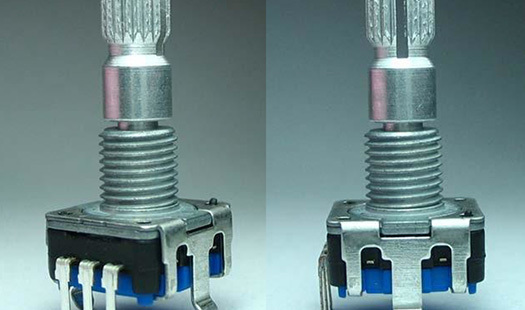
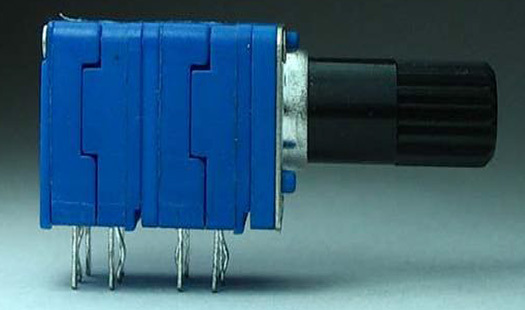

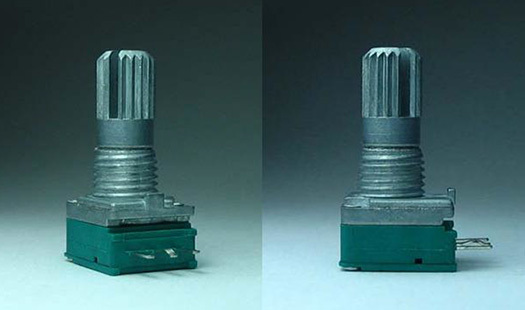
Unlocking the Secrets: What Makes the Best Potentiometer Switch?
Jun 15,2025
Unlocking the Secrets: What Makes the Best Potentiometer Switch?
In the world of electronics, the potentiometer switch stands out as a pivotal component, serving as a versatile tool for adjusting voltage levels and controlling various devices. Understanding what makes the best potentiometer switch can significantly enhance your electronic projects, whether you're a hobbyist or a professional. This comprehensive guide will delve into the intricate details, features, and factors that contribute to the effectiveness of potentiometer switches, ensuring you make the best choice for your applications.
Table of Contents
- What is a Potentiometer Switch?
- Types of Potentiometers
- Key Features of the Best Potentiometer Switch
- How to Choose the Right Potentiometer Switch
- Applications of Potentiometers
- Common Issues and Solutions
- Frequently Asked Questions
- Conclusion
What is a Potentiometer Switch?
A potentiometer switch is a three-terminal resistor used to vary voltage in electronic circuits. By adjusting the position of the wiper across the resistive element, users can control the resistance and, consequently, the voltage output. This dynamic capability makes potentiometers ideal for applications such as volume controls in audio devices or as a variable resistor in various electronic equipment.
Types of Potentiometers
Understanding the types of potentiometers helps you choose the right one for your specific needs. The two primary types are:
Rotary Potentiometers
Rotary potentiometers allow users to adjust resistance by rotating a knob. They are commonly used in audio devices, where users can adjust volume or tone. Their design often features a circular arc, enabling smooth operation and precise control.
Linear Potentiometers
Linear potentiometers provide resistance adjustment through a linear path, typically by sliding a knob along a track. These are frequently used in applications where a direct correlation between the position of the control and the output is necessary, such as in joystick controls or light dimmers.
Key Features of the Best Potentiometer Switch
Several critical features distinguish high-quality potentiometer switches from their lesser counterparts. When selecting a potentiometer, consider the following:
1. Precision and Accuracy
The best potentiometer switches offer high levels of precision and accuracy, allowing precise adjustments to voltage and resistance levels. This is particularly crucial in applications requiring tight tolerances.
2. Durability and Longevity
Durability is paramount, especially in environments exposed to elements such as moisture, dust, or temperature fluctuations. Look for potentiometers constructed with robust materials that can withstand wear and tear.
3. Taper Type
Potentiometers come with different taper types, including linear and logarithmic. The choice of taper impacts how the resistance changes as you adjust the control, affecting the output smoothness and responsiveness.
4. Resistance Range
The resistance range determines how much voltage the potentiometer can handle. Selecting a potentiometer with an appropriate resistance range for your application ensures optimal functionality.
5. Electrical Ratings
Check the electrical ratings, including power handling and voltage ratings, to ensure compatibility with your circuit. Exceeding these ratings can lead to failure, so it’s vital to choose wisely.
6. Form Factor
Potentiometers come in various sizes and shapes. The form factor should align with your project design, ensuring easy integration and installation.
How to Choose the Right Potentiometer Switch
Choosing the right potentiometer involves several considerations that address your specific needs:
1. Determine Your Application
Identify what you need the potentiometer for. Is it for audio applications, lighting controls, or another purpose? Understanding your application will help narrow down your options.
2. Assess the Required Specifications
Evaluate the specifications needed for your project, including resistance value, power rating, and environmental conditions. This information will guide your selection process.
3. Consider User Experience
Your design should facilitate easy use. Consider factors like how the user will interact with the potentiometer and ensure that the control mechanism meets their needs.
4. Review Manufacturer Reputation
Opt for trusted manufacturers known for producing reliable components. Research reviews and case studies to ensure you choose a reputable source.
Applications of Potentiometers
Potentiometers find usage across various industries due to their versatility:
1. Audio Equipment
In audio devices, potentiometers are crucial for volume controls and tone adjustments, allowing users to customize their listening experience.
2. Control Systems
In robotics and automation, potentiometers serve as feedback devices, providing critical data to control systems for precise positioning.
3. Consumer Electronics
Products such as televisions and gaming consoles often incorporate potentiometers for user interface controls, enhancing usability.
4. Medical Devices
Medical equipment relies on potentiometers for various controls, from adjusting settings on diagnostic machines to regulating dosages in infusion pumps.
Common Issues and Solutions
Even the best potentiometer switches can face issues. Here are some common problems and their solutions:
1. Noise and Interference
Noise can often be mitigated by using high-quality potentiometers with proper shielding. Additionally, implementing effective grounding techniques can reduce interference.
2. Wear and Tear
Over time, the mechanical parts of potentiometers can wear out. To address this, consider using contact lubricant or selecting more durable potentiometers designed for long-term use.
3. Inconsistent Performance
Inconsistent readings may occur due to dirt or oxidation on the contacts. Regular maintenance and cleaning can help maintain performance. In some cases, replacing the potentiometer may be necessary.
Frequently Asked Questions
1. What is the difference between linear and logarithmic potentiometers?
Linear potentiometers provide a direct relationship between position and resistance, while logarithmic potentiometers change resistance non-linearly, making them ideal for audio applications where human hearing perception is logarithmic.
2. How do I know which resistance value to choose?
Select a resistance value based on your circuit's requirements, considering the maximum and minimum resistance levels needed for effective operation.
3. Can potentiometers be used in high-power applications?
While some potentiometers can handle higher power ratings, always check the specifications to ensure safety and functionality in high-power circuits.
4. What maintenance do potentiometers require?
Routine maintenance may involve cleaning the contacts and checking for wear over time. Regular inspections can help you identify potential issues before they escalate.
5. Are there digital potentiometers available?
Yes, digital potentiometers are available and offer enhanced control through electronic interfaces, providing more precision and programmability.
Conclusion
Choosing the best potentiometer switch involves understanding its fundamental principles, types, features, and applications. By evaluating your specific requirements and considering factors such as durability, precision, and user interaction, you can make an informed decision that ensures optimal functionality in your electronic projects. With the right potentiometer, you can unlock new possibilities in your designs, enhancing performance and user experience across various applications.
More Information
More Information
RECOMMENDED

Request Quote
Mobile: +86-13902648085
Email: tq@tianqiandz.com
Whatsapp: +86-19939624301
website: https://en.tianqiandz.com/


Request Quote