Dedicated to the manufacture of potentiometers, encoders, switches and sensors

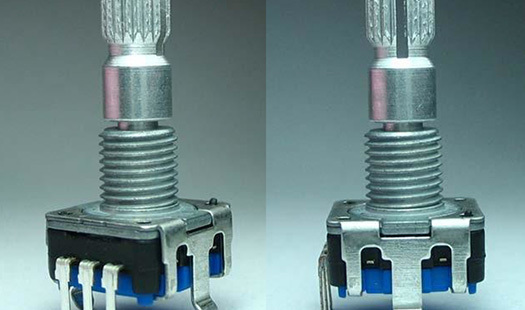
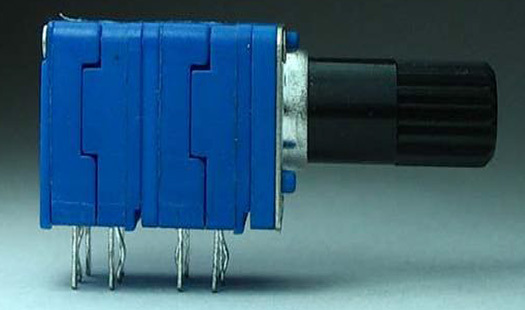

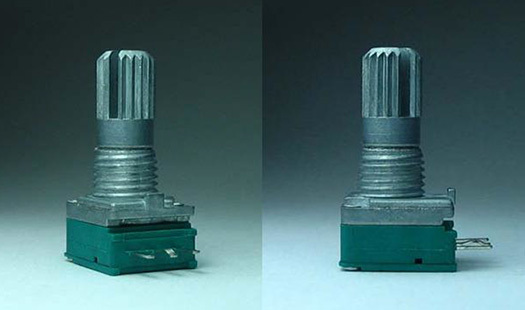
Unlocking Precision: The Benefits of Advanced Dual Gang Potentiometers
Mar 21,2025
Unlocking Precision: The Benefits of Advanced Dual Gang Potentiometers
Table of Contents
1. Introduction to Dual Gang Potentiometers
2. Understanding Potentiometers: The Basics
3. Advantages of Dual Gang Potentiometers
3.1 Enhanced Precision in Adjustments
3.2 Improved Control in Multi-Channel Applications
4. Key Applications of Dual Gang Potentiometers
4.1 Audio Equipment
4.2 Me
Unlocking Precision: The Benefits of Advanced Dual Gang Potentiometers
Table of Contents
1. Introduction to Dual Gang Potentiometers
2. Understanding Potentiometers: The Basics
3. Advantages of Dual Gang Potentiometers
3.1 Enhanced Precision in Adjustments
3.2 Improved Control in Multi-Channel Applications
4. Key Applications of Dual Gang Potentiometers
4.1 Audio Equipment
4.2 Measurement Devices
4.3 Industrial Automation
5. Technical Aspects of Dual Gang Potentiometers
5.1 Resistance Values and Tolerance
5.2 Construction and Materials
6. Choosing the Right Dual Gang Potentiometer
6.1 Factors to Consider
6.2 Common Brands and Models
7. Installation and Maintenance Tips
8. FAQs about Dual Gang Potentiometers
9. Conclusion
1. Introduction to Dual Gang Potentiometers
Dual gang potentiometers play a crucial role in achieving precision in electronic devices. As a versatile component, they allow users to control two circuits simultaneously, making them indispensable in various applications. Understanding the benefits and functionality of these advanced potentiometers can significantly enhance your projects.
2. Understanding Potentiometers: The Basics
A potentiometer is a three-terminal resistor used to adjust voltage levels in a circuit. By turning the knob, users can change the resistance, thereby controlling the output voltage. Dual gang potentiometers consist of two independent potentiometers housed in a single package, allowing simultaneous control of two signals.
These components are often found in audio equipment, industrial controls, and measurement devices due to their ability to deliver precise adjustments.
3. Advantages of Dual Gang Potentiometers
Dual gang potentiometers offer numerous advantages over single gang versions. Understanding these benefits can help you utilize them effectively in your designs.
3.1 Enhanced Precision in Adjustments
One of the primary benefits of dual gang potentiometers is their enhanced precision. They allow for fine-tuning of multiple parameters, ensuring greater accuracy in signal manipulation. This feature is particularly beneficial in audio applications where maintaining balance and tone is crucial.
3.2 Improved Control in Multi-Channel Applications
In applications requiring the control of multiple channels, dual gang potentiometers simplify the design process. By integrating two potentiometers into one unit, engineers can save space on the PCB and reduce wiring complexity, leading to a more organized and efficient layout.
4. Key Applications of Dual Gang Potentiometers
Dual gang potentiometers are utilized across various industries, each application highlighting their unique advantages.
4.1 Audio Equipment
In audio systems, dual gang potentiometers are essential for controlling volume and tone. They provide users with the ability to adjust both channels simultaneously, ensuring a balanced audio output without distortion.
4.2 Measurement Devices
Measurement devices often require precise adjustments to ensure accurate readings. Dual gang potentiometers facilitate this by allowing users to calibrate two different parameters with one control, enhancing the efficiency of the device.
4.3 Industrial Automation
In industrial automation, these potentiometers are used to control motors and sensors. Their ability to provide precise feedback and adjustments makes them vital in applications that require high accuracy and reliability.
5. Technical Aspects of Dual Gang Potentiometers
Understanding the technical specifications of dual gang potentiometers is crucial for selecting the right component for your project.
5.1 Resistance Values and Tolerance
Resistance values in dual gang potentiometers can vary widely, typically ranging from a few ohms to several megaohms. Tolerance levels also play a significant role in determining the performance of the potentiometer, with lower tolerances offering greater precision.
5.2 Construction and Materials
The construction of dual gang potentiometers often involves high-quality materials to ensure durability and reliability. Common materials include carbon, cermet, and conductive plastic, each offering distinct advantages in terms of performance and longevity.
6. Choosing the Right Dual Gang Potentiometer
Selecting the right dual gang potentiometer for your application involves considering various factors.
6.1 Factors to Consider
When choosing a dual gang potentiometer, consider the following factors:
- **Resistance Value**: Ensure it meets the requirements of your circuit.
- **Taper Type**: Linear or logarithmic tapers may be preferred depending on the application.
- **Size and Mounting Type**: Ensure compatibility with your PCB layout.
6.2 Common Brands and Models
Several brands stand out for their reliability in the potentiometer market. Brands like Bourns, Vishay, and Alpha offer a range of dual gang options, providing users with various choices suitable for different applications.
7. Installation and Maintenance Tips
Proper installation and maintenance are essential for ensuring the longevity and performance of dual gang potentiometers.
- **Installation**: Ensure proper soldering techniques are used to avoid damaging the component. Verify that the potentiometer is securely mounted to prevent movement during operation.
- **Maintenance**: Regularly check for dust and debris that could interfere with the potentiometer's functionality. Cleaning with appropriate solvents can help maintain performance.
8. FAQs about Dual Gang Potentiometers
1. What is the difference between a dual gang and a single gang potentiometer?
A dual gang potentiometer has two independent potentiometers in one package, allowing for simultaneous control of two signals, while a single gang potentiometer controls just one.
2. Can dual gang potentiometers be used in digital applications?
Yes, dual gang potentiometers can be used in digital applications, particularly in analog-to-digital converters where precise voltage adjustments are required.
3. What are the common issues faced with dual gang potentiometers?
Common issues include wear and tear from frequent adjustments, leading to noise in the signal and potential failure over time.
4. How do I know if a dual gang potentiometer is suitable for my project?
Evaluate the specifications such as resistance value, taper type, and environmental conditions to determine suitability.
5. Are there alternative components to dual gang potentiometers?
Yes, alternatives include digital potentiometers and rotary encoders, which may offer different advantages based on the application.
9. Conclusion
Advanced dual gang potentiometers are vital components in today’s electronic landscape, offering enhanced precision and control across various applications. Their ability to simultaneously manage multiple signals not only streamlines circuit design but also improves overall system performance. As technology continues to evolve, understanding and leveraging the benefits of dual gang potentiometers will be key to unlocking new levels of precision in electronic applications. By selecting the right potentiometer and adhering to best practices in installation and maintenance, engineers can ensure their systems operate at peak efficiency. Embrace the power of dual gang potentiometers and revolutionize your electronic designs today.
More Information
More Information
RECOMMENDED

Request Quote
Mobile: +86-13902648085
Email: tq@tianqiandz.com
Whatsapp: +86-19939624301
website: https://en.tianqiandz.com/


Request Quote