Dedicated to the manufacture of potentiometers, encoders, switches and sensors

Exploring the Intricate Relationship Between Audio Quality and Potentiometers
Mar 19,2025
Exploring the Intricate Relationship Between Audio Quality and Potentiometers
Table of Contents
1. Introduction to Potentiometers in Audio Systems
2. Understanding Audio Quality: What Does It Mean?
3. How Potentiometers Work: The Technical Foundation
4. Types of Potentiometers Used in Audio Applications
5. Potentiometers and Sound Quality: An In-Depth Analysis
6. Common Is
Exploring the Intricate Relationship Between Audio Quality and Potentiometers
Table of Contents
- 1. Introduction to Potentiometers in Audio Systems
- 2. Understanding Audio Quality: What Does It Mean?
- 3. How Potentiometers Work: The Technical Foundation
- 4. Types of Potentiometers Used in Audio Applications
- 5. Potentiometers and Sound Quality: An In-Depth Analysis
- 6. Common Issues with Potentiometers and Their Solutions
- 7. Choosing the Right Potentiometer for Your Audio Setup
- 8. The Future of Potentiometers in Audio Technology
- 9. Frequently Asked Questions
- 10. Conclusion: The Impact of Potentiometers on Audio Quality
1. Introduction to Potentiometers in Audio Systems
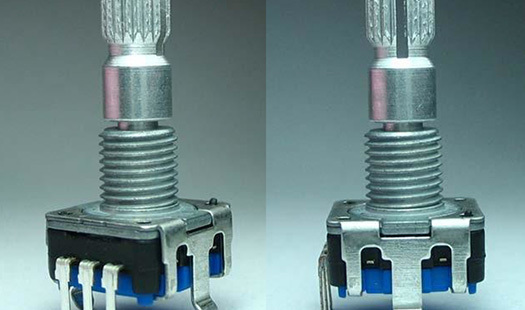
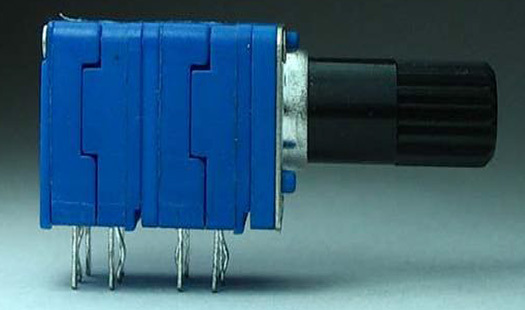
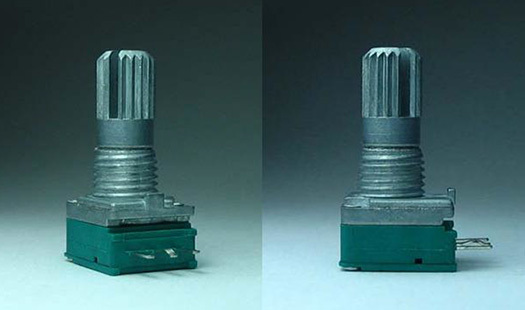
In the realm of audio electronics, **potentiometers** play a pivotal role in shaping sound. These variable resistors adjust the flow of electric current, affecting volume and tone control in audio devices. Understanding how potentiometers work helps audio enthusiasts and professionals appreciate their significance in audio quality.
2. Understanding Audio Quality: What Does It Mean?
To grasp the relationship between potentiometers and audio quality, we must first define audio quality. Generally, audio quality refers to the fidelity of sound production, encompassing clarity, depth, and richness. High-quality audio should reproduce sound as intended by the artists, allowing listeners to experience music with all its nuances.
The Importance of Fidelity in Audio
Fidelity is crucial for audio enthusiasts. It reflects how accurately sound is reproduced, impacting the listener's experience. Potentiometers are instrumental in maintaining this fidelity, as they directly influence how sound signals are manipulated within an audio system.
3. How Potentiometers Work: The Technical Foundation
Potentiometers function based on a simple principle: they vary resistance within an electrical circuit. This adjustment affects the voltage output, thereby controlling the audio signal's amplitude. A typical potentiometer comprises three terminals: two connected to a voltage source and one connected to the output. As the **wiper** moves along a resistive track, it alters the resistance, modifying the sound level.
The Role of Resistance in Audio Signals
Resistance plays a critical role in audio quality. Too much resistance can result in signal loss, while too little can lead to distortion. Therefore, selecting the appropriate potentiometer is essential for achieving optimal audio fidelity.
4. Types of Potentiometers Used in Audio Applications
Several types of potentiometers are commonly utilized in audio applications, each with unique characteristics.
Linear Potentiometers
Linear potentiometers provide a consistent change in resistance along their length. They are often used in volume controls, allowing for smooth adjustments without sudden jumps in sound levels.
Logarithmic Potentiometers
Logarithmic potentiometers, or audio taper pots, are designed to match the human ear's sensitivity to sound. They provide a more natural feel when adjusting volume, as the change in resistance is exponential rather than linear.
Digital Potentiometers
Digital potentiometers integrate with digital circuits, enabling precise control over audio signals. They are commonly found in modern audio devices where automated adjustments are required.
5. Potentiometers and Sound Quality: An In-Depth Analysis
The quality of a potentiometer directly influences audio performance. Let's explore how this relationship unfolds.
Impact on Volume Control
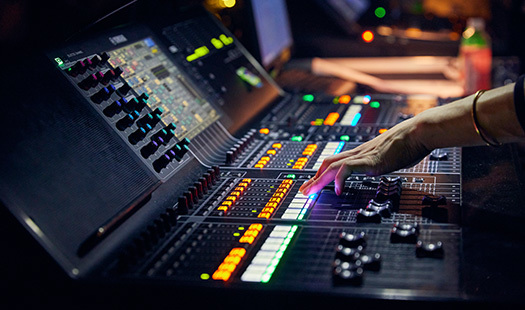
When adjusting volume via a potentiometer, the quality of the component determines the smoothness of the transition. Higher-quality pots minimize pops and crackles, providing a cleaner listening experience.
Influence on Tone Adjustment
Potentiometers also affect tone controls in audio systems. For instance, a low-quality potentiometer can introduce noise or unwanted harmonics, detracting from the overall sound quality. Conversely, high-quality options ensure that tonal adjustments maintain clarity and fidelity.
Noise and Distortion Issues
Poorly constructed potentiometers can introduce noise and distortion into the audio signal. This interference can be particularly noticeable at lower volume levels. Selecting a well-made potentiometer can mitigate these issues, enhancing the overall sound experience.
6. Common Issues with Potentiometers and Their Solutions
Despite their importance, potentiometers can present challenges. Identifying and addressing these issues is crucial for maintaining audio quality.
Dirty or Oxidized Contacts
One common issue is the buildup of dirt or oxidation on the contacts. This can cause crackling sounds during adjustments. Regular maintenance, including cleaning the potentiometer with appropriate solutions, can alleviate this problem.
Wear and Tear Over Time
Potentiometers are subject to wear and tear, especially in frequently used audio equipment. Over time, they may become less responsive or introduce noise. If a potentiometer shows signs of degradation, replacing it with a high-quality component is advisable.
Incompatibility with Audio Systems
Choosing the wrong type of potentiometer can lead to compatibility issues within an audio system. Ensuring that the potentiometer type matches the intended application is essential for optimal performance.
7. Choosing the Right Potentiometer for Your Audio Setup
Selecting the appropriate potentiometer is vital for achieving the desired audio quality. Here are key considerations:
Understand Your Audio System's Needs
Before purchasing a potentiometer, assess your audio system's requirements. Consider whether you need a linear or logarithmic pot, and ensure that the resistance value aligns with your setup.
Prioritize Quality Components
Investing in high-quality potentiometers can significantly enhance audio performance. Look for reputable brands and components with good reviews.
Consider the Environment
If your audio equipment operates in a challenging environment (e.g., high humidity), opt for potentiometers designed to withstand such conditions.
8. The Future of Potentiometers in Audio Technology
As technology evolves, so does the role of potentiometers in audio systems. The rise of **digital audio** and **smart devices** is shaping how potentiometers are used.
Integration with Smart Technology
Digital potentiometers that can be controlled via apps or integrated into smart home systems are becoming increasingly common. This innovation allows for seamless audio control, enhancing user experience.
Advancements in Material Science
Innovations in material science are leading to the development of more robust and reliable potentiometers. These advancements promise better performance and longevity in audio applications.
9. Frequently Asked Questions
What is the role of a potentiometer in an audio system?
A potentiometer adjusts the level of audio signals, impacting volume and tone control, and plays a vital role in maintaining sound fidelity.
How do I choose the right potentiometer for my audio setup?
Consider your system's requirements, the type of potentiometer needed (linear or logarithmic), and prioritize quality from reputable brands.
Can potentiometers affect sound quality?
Yes, the quality of a potentiometer can significantly influence sound quality, with higher quality components providing cleaner and more accurate audio reproduction.
What are common issues with potentiometers?
Common issues include dirty contacts, wear and tear over time, and incompatibility with the audio system, all of which can negatively impact performance.
How can I maintain my potentiometers?
Regular cleaning, checking for wear, and ensuring the correct installation can help maintain potentiometers and extend their lifespan.
10. Conclusion: The Impact of Potentiometers on Audio Quality
In summary, the relationship between audio quality and potentiometers is profound and multifaceted. Understanding how these components function and their impact on sound can significantly enhance both the performance of audio equipment and the listening experience. By choosing the right potentiometers and maintaining them properly, audio enthusiasts can ensure the highest fidelity, allowing music to be enjoyed as intended. As technology continues to advance, the evolution of potentiometers in the audio landscape promises exciting possibilities for audio quality enhancement in the future.
More Information
More Information
RECOMMENDED

Request Quote
Mobile: +86-13902648085
Email: tq@tianqiandz.com
Whatsapp: +86-19939624301
website: https://en.tianqiandz.com/


Request Quote