Dedicated to the manufacture of potentiometers, encoders, switches and sensors

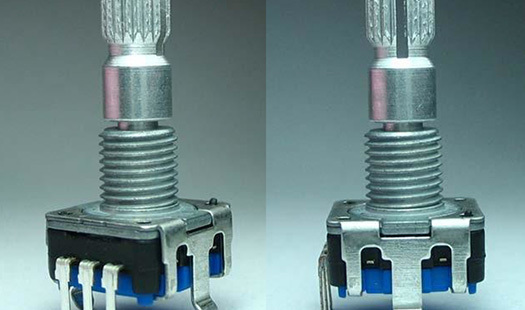
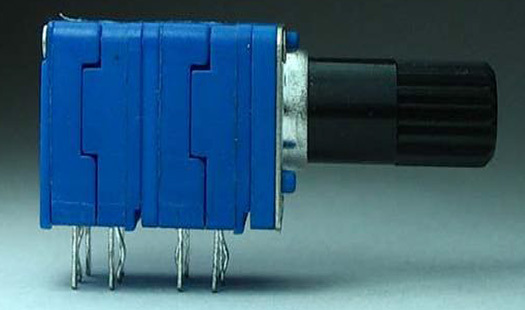

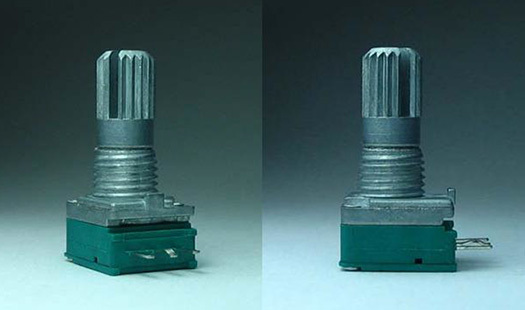
Unraveling the Potentiometer: The Unsung Hero of Electrical Circuits
Mar 16,2025
What is a Potentiometer?
Alright, let’s dive into the nitty-gritty! A potentiometer, in simple terms, is a type of variable resistor. It's like that friend who's always trying to adjust the volume on a music player—just when you think it’s perfect, they want it a bit softer or louder! This nifty little device allows for the adjustment of electrical resistance, which in turn can control the voltage and current in a circuit. Now, isn’t that cool?
How Does a Potentiometer Work?
So, how does this gadget actually function? Imagine three terminals: one connected to a voltage source, one to the ground, and the third one, called the wiper, that slides along a resistive material. By moving the wiper, you can tap into different voltage levels. It’s like tuning into your favorite radio station; you just twist the knob until you find the sweet spot!
Types of Potentiometers
There are various flavors of potentiometers out there, each with its own unique twist. Here are a few:
- Linear Potentiometers: These are straightforward, featuring a linear path for the wiper. Great for applications like volume controls.
- Rotary Potentiometers: These ones have a circular motion, commonly found in knobs for audio equipment or old-school radios.
- Digi-Pots: Ah, the digital age! Digital potentiometers use electronic signals to adjust resistance, making them ideal for modern gadgets.
Applications of Potentiometers
Now that you’ve got the basics down, let’s talk about where these little wonders are used. Potentiometers are everywhere! From adjusting the brightness of your smartphone screen to calibrating the sensitivity of a game controller, they play a crucial role in making our tech user-friendly.
In the World of Electronics
In the realm of electronics, potentiometers are a lifesaver. They help in:
- Voltage Divider Circuits: By splitting voltage in a circuit, they ensure devices get just the right amount of juice.
- Tuning Radios: Ever fiddled with a radio dial? That’s a potentiometer in action, helping you find the right frequency.
- Sensor Calibration: Potentiometers ensure that sensors read accurately, which is crucial in devices like thermostats.
Why Choose a Potentiometer?
Here’s the kicker: why would you opt for a potentiometer over other types of resistors? Well, they offer precision. If you need to make fine adjustments, nothing beats a potentiometer. It gives you that tactile feedback, and who doesn't love a good tactile experience? Plus, they are generally easy to install and use, making them a go-to for DIY enthusiasts.
Troubleshooting Common Issues
Okay, so what happens when your trusty potentiometer goes a bit haywire? Here are some common issues and quick fixes:
- Scratchy Sound: If you hear crackling while adjusting the volume, it could be dirt on the potentiometer's track. A little cleaning can work wonders!
- Non-responsive Wiper: If the wiper isn’t making good contact, it might need a replacement. Don’t sweat it; they’re affordable!
- Inconsistent Readings: This could indicate wear and tear. If it’s old, it might be time for a new one.
Final Thoughts
To wrap it up, the potentiometer may not be the flashiest component in electrical engineering, but it sure is one of the most versatile. Whether you’re a seasoned engineer or a curious hobbyist, understanding how this little device works can open up a world of possibilities. So, the next time you twist a knob or adjust a dial, give a nod to the unsung hero of electrical circuits—the potentiometer!
More Information
More Information
RECOMMENDED

Request Quote
Mobile: +86-13902648085
Email: tq@tianqiandz.com
Whatsapp: +86-19939624301
website: https://en.tianqiandz.com/


Request Quote