Dedicated to the manufacture of potentiometers, encoders, switches and sensors


Understanding 500k Potentiometers: Essential Insights for Professionals
Feb 18,2025
---
A 500k potentiometer is a commonly used electronic component that plays a crucial role in various applications, primarily in analog circuits. It falls under the category of variable resistors, which allows users to adjust resistance levels, enabling fine-tuning of electronic signals. Understanding the characteristics and functionalities of a 500k potentiometer is essential for professionals wo
---
A 500k potentiometer is a commonly used electronic component that plays a crucial role in various applications, primarily in analog circuits. It falls under the category of variable resistors, which allows users to adjust resistance levels, enabling fine-tuning of electronic signals. Understanding the characteristics and functionalities of a 500k potentiometer is essential for professionals working with audio equipment, sensors, and various control systems.
One of the primary functions of a 500k potentiometer is its ability to control voltage and current flowing in a circuit. By adjusting the potentiometer’s wiper position, users can modulate the output signal, making it an invaluable tool for applications where precise control is necessary. For instance, in audio systems, a 500k potentiometer can adjust the volume or tone, allowing for a tailored listening experience.
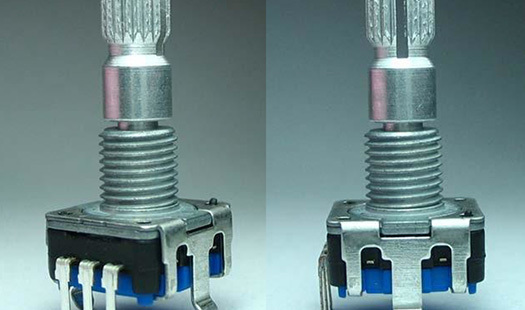
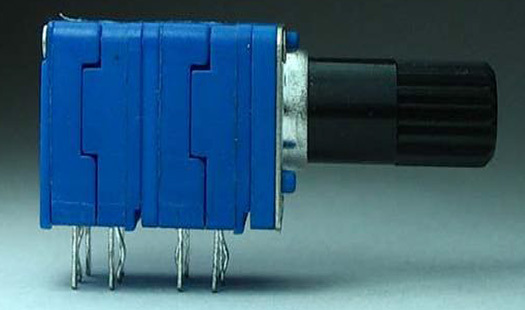
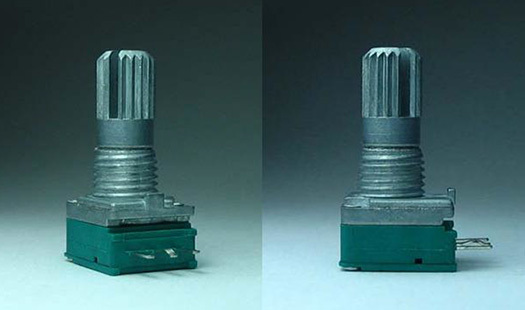
In terms of construction, a typical 500k potentiometer consists of a resistive element and a movable contact (the wiper) that slides along the resistive material. The configuration can vary, including linear and logarithmic taper types, each serving specific purposes. Linear taper potentiometers provide a consistent change in resistance, while logarithmic taper potentiometers are more suitable for audio applications where a non-linear adjustment is beneficial.
When selecting a 500k potentiometer, several factors should be considered. First, the type of circuit in which it will be used is crucial. For example, high-frequency circuits may require a potentiometer with specific characteristics to minimize signal degradation. Additionally, the power rating of the potentiometer is essential to ensure it can handle the current flowing through it without overheating or failing.
Another consideration is the physical size and mounting style of the potentiometer. Different applications may require through-hole or surface-mount designs, and the available space within a device can determine the suitable size of the potentiometer. It's also important to consider the quality and reliability of the potentiometer, as these factors can significantly impact the overall performance and lifespan of the electronic device.
Lastly, understanding the role of a 500k potentiometer in a circuit can lead to enhanced troubleshooting capabilities. If a device is malfunctioning, knowing how to test and replace the potentiometer can save time and resources. By regularly checking the functionality of these components, professionals can ensure the reliability and performance of their electronic systems.
In conclusion, a 500k potentiometer is a versatile and valuable component in the field of electronics. By grasping its technical specifications, applications, and selection criteria, professionals can make informed decisions to optimize their projects and enhance overall performance.
More Information
More Information
RECOMMENDED

Request Quote
Mobile: +86-13902648085
Email: tq@tianqiandz.com
Whatsapp: +86-19939624301
website: https://en.tianqiandz.com/


Request Quote