Dedicated to the manufacture of potentiometers, encoders, switches and sensors

Understanding Fader Potentiometers: Essential Components in Electronic Design
Feb 16,2025
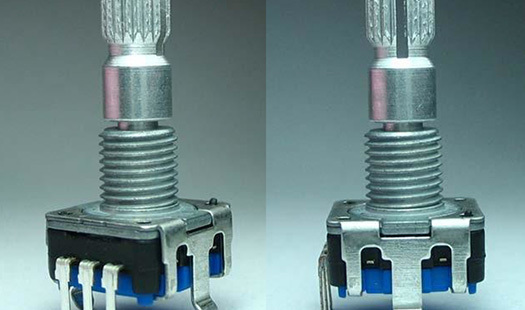
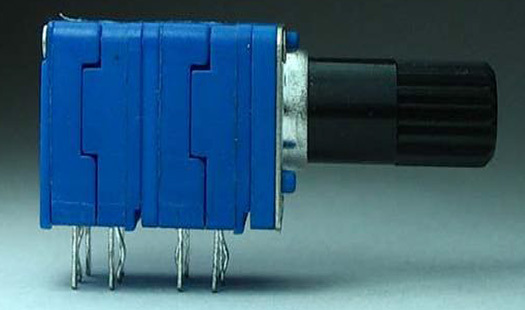
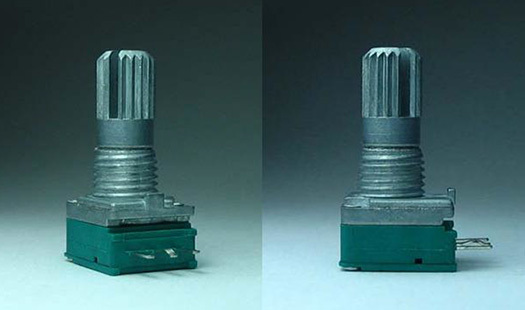
Fader potentiometers, often referred to simply as faders, are crucial components in various electronic applications, particularly in audio equipment, mixers, and control interfaces. These devices are variable resistors that enable users to adjust the flow of electrical current, thereby controlling voltage and signal levels. The design of a fader potentiometer allows for smooth, linear adjustments,
Fader potentiometers, often referred to simply as faders, are crucial components in various electronic applications, particularly in audio equipment, mixers, and control interfaces. These devices are variable resistors that enable users to adjust the flow of electrical current, thereby controlling voltage and signal levels. The design of a fader potentiometer allows for smooth, linear adjustments, making them an essential tool for ensuring optimal performance in electronic devices.
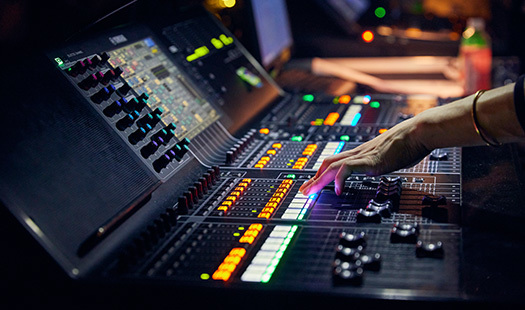
One of the primary functions of fader potentiometers is to provide volume control in audio equipment. When you slide a fader up or down, you are essentially altering the resistance in the circuit, which directly influences the audio signal's amplitude. This ability to finely tune levels is critical in professional audio environments, where precise control can dramatically affect sound quality. Fader potentiometers are also used in lighting controls, where they regulate light intensity, and in various other applications that require variable signal control.
Fader potentiometers come in various types, including linear and logarithmic (or audio) taper. The linear taper faders provide a uniform change in resistance with movement, leading to a consistent response throughout their range. This feature is particularly useful in applications where a linear response is desired. In contrast, logarithmic faders are designed to accommodate the human ear's perception of sound, which is not linear. This makes them ideal for audio applications, as they allow for finer adjustments at lower volumes, where the changes in sound are most noticeable.
When selecting a fader potentiometer for an application, professionals must consider several factors, including the desired range of motion, resistance value, and physical dimensions. Additionally, it's important to analyze the environmental conditions in which the fader will operate, as factors such as humidity and temperature can impact performance and longevity.
In conclusion, fader potentiometers are versatile components that play a vital role in modern electronic design. Their ability to provide precise control over electrical signals makes them indispensable in various fields, from music production to lighting design. Understanding their function and characteristics will undoubtedly enhance the effectiveness of electronic systems and improve overall user experience. Whether you are designing a new product or troubleshooting an existing one, a solid grasp of fader potentiometers will serve you well in the ever-evolving landscape of electronics.
More Information
More Information
RECOMMENDED

Request Quote
Mobile: +86-13902648085
Email: tq@tianqiandz.com
Whatsapp: +86-19939624301
website: https://en.tianqiandz.com/


Request Quote