Dedicated to the manufacture of potentiometers, encoders, switches and sensors


Understanding Rotary Potentiometers: Versatile Components in Electronic Applications
Jan 25,2025
Rotary potentiometers are crucial components widely used in electronic devices, serving as adjustable resistors that allow users to control voltage and current levels in circuits. These devices come in various configurations, each designed to meet specific application needs. At their core, rotary potentiometers consist of a resistive element and a wiper that moves along the element to varying degr
Rotary potentiometers are crucial components widely used in electronic devices, serving as adjustable resistors that allow users to control voltage and current levels in circuits. These devices come in various configurations, each designed to meet specific application needs. At their core, rotary potentiometers consist of a resistive element and a wiper that moves along the element to varying degrees, allowing for precise adjustments.
One of the primary functions of a rotary potentiometer is to act as a voltage divider. When connected in a circuit, the device can split the incoming voltage into two outputs. This capability makes it invaluable in applications such as audio control, where users adjust volume levels by changing the resistance in the circuit. Additionally, rotary potentiometers are commonly found in various consumer electronics, including televisions, audio equipment, and home appliances, facilitating user interaction.
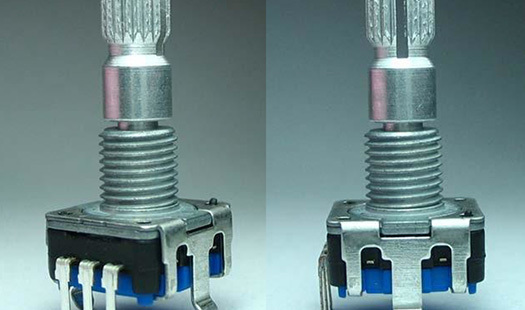
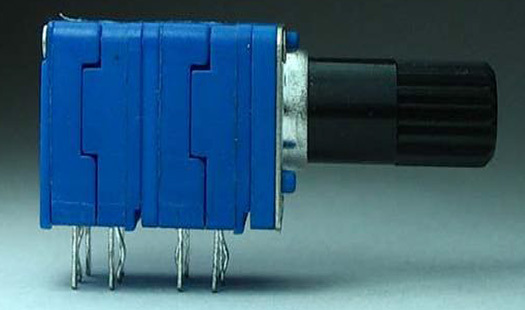
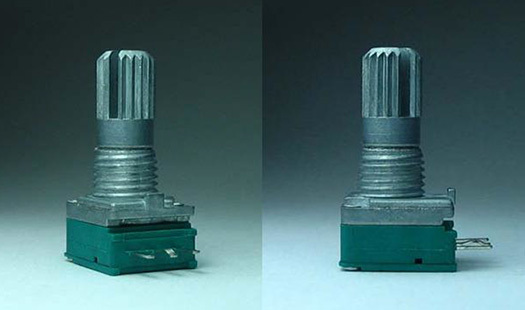
In terms of construction, rotary potentiometers can vary significantly. They may feature different types of shafts, such as knurled or smooth, to accommodate various user preferences and installation requirements. The resistive element can be made of materials like carbon, cermet, or conductive plastic, each offering unique characteristics like durability and precision. The choice of material can influence factors such as the lifespan and linearity of the potentiometer, making it essential for engineers to select the right type based on their specific application.
Moreover, rotary potentiometers can come in both linear and logarithmic taper options. Linear potentiometers provide a direct relationship between the position of the wiper and the output voltage, making them suitable for applications that require precise adjustments. On the other hand, logarithmic potentiometers are designed for audio applications, where human perception of sound levels is logarithmic rather than linear. Understanding these differences is crucial for selecting the appropriate potentiometer for specific tasks.
To ensure optimal performance and reliability, proper installation and handling of rotary potentiometers are essential. Factors such as environmental conditions, mechanical stress, and electrical load can impact their functionality. Therefore, users should consider these variables when incorporating potentiometers into their designs.
In summary, rotary potentiometers are versatile and essential components in the field of electronics. Their ability to facilitate user control of voltage and current makes them invaluable in a wide range of applications. By understanding their construction, functionality, and various types, engineers and designers can effectively leverage rotary potentiometers to enhance their electronic designs.
More Information
More Information
RECOMMENDED

Request Quote
Mobile: +86-13902648085
Email: tq@tianqiandz.com
Whatsapp: +86-19939624301
website: https://en.tianqiandz.com/


Request Quote