Dedicated to the manufacture of potentiometers, encoders, switches and sensors


Unlocking the Secrets of Rotary Potentiometers
Apr 03,2025
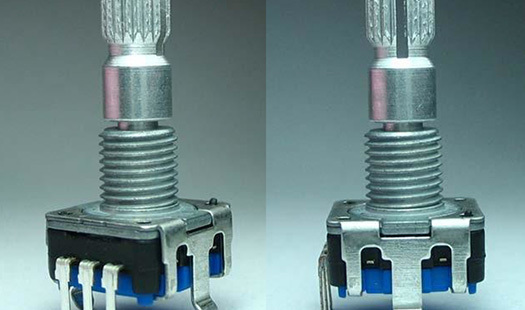
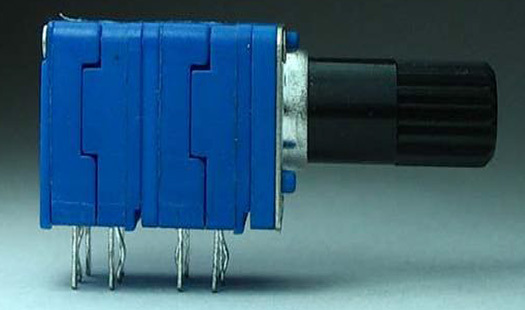
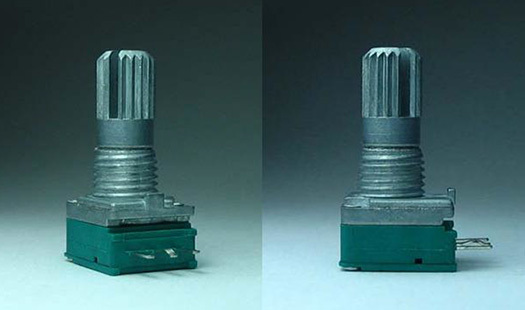
Ever wondered how those nifty knobs on your favorite gadgets work? Well, let me introduce you to the rotary potentiometer! This little device is a type of variable resistor that allows you to adjust levels, like volume or brightness, with a simple twist. It's like magic, but in the realm of electronics!
How Does It Work?
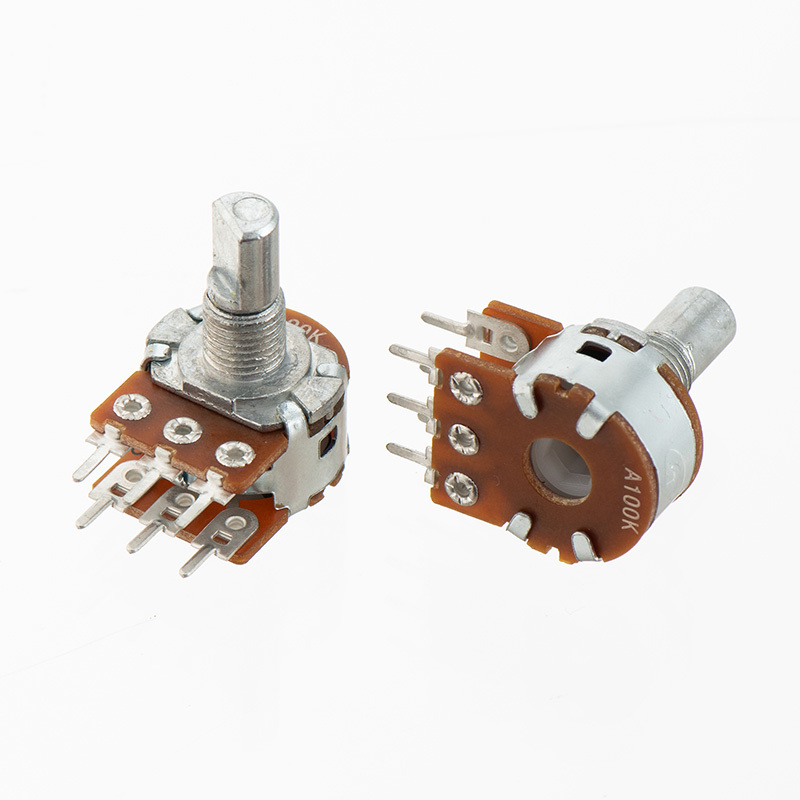
At its core, a rotary potentiometer consists of three terminals: two fixed terminals connected to a resistive element and a third terminal attached to a wiper that moves along the resistive path when you twist the knob. This movement changes the resistance, allowing you to control the current flow. Thus, when you turn that knob, voila! You’re adjusting the output, whether it’s sound, light, or anything else.
Types of Rotary Potentiometers
Now, don’t get me wrong; not all rotary potentiometers are created equal. They come in various types, each suited for different applications:
- Cermet Potentiometer: These are made from a combination of ceramic and metal, offering great durability and stability.
- Carbon Potentiometer: The most common type, these are inexpensive and often found in consumer electronics.
- Digital Potentiometer: For the tech-savvy, these can be controlled via digital signals, allowing for precise adjustments.
Applications Galore!
You might be surprised to know where rotary potentiometers are used. From audio equipment to televisions, and even in medical devices, their applications are virtually endless. They play a crucial role in:
- Audio Equipment: Adjusting volume and tone settings.
- Lighting Systems: Dimming lights to set the mood.
- Electric Vehicles: Regulating power flow for better efficiency.
Why They Matter
So, why should you care about rotary potentiometers? Well, they are essential for providing a user-friendly interface in electronic devices. Imagine trying to adjust the volume on your favorite playlist without a knob – yikes! These devices enhance user experience by offering intuitive control.
Choosing the Right Potentiometer
When it comes to picking a rotary potentiometer, you need to consider several factors:
- Resistance Value: Make sure it matches your application.
- Power Rating: Higher power ratings are crucial for high-power applications.
- Physical Size: Ensure it fits in your device!
Conclusion
In the vast world of electronics, the rotary potentiometer might seem small, but its impact is colossal. Whether you’re a hobbyist tinkering with circuits or a professional engineer, understanding how these devices work can help you create better, more user-friendly products. So next time you twist a knob, remember the unsung hero behind the scenes – the rotary potentiometer!
More Information
More Information
RECOMMENDED

Request Quote
Mobile: +86-13902648085
Email: tq@tianqiandz.com
Whatsapp: +86-19939624301
website: https://en.tianqiandz.com/


Request Quote