Dedicated to the manufacture of potentiometers, encoders, switches and sensors


Why You Should Choose a Dual Gang Potentiometer for Your Projects
Mar 01,2025
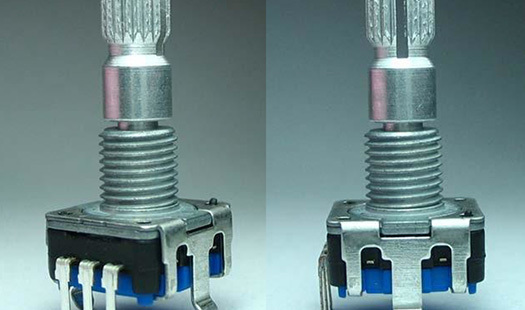
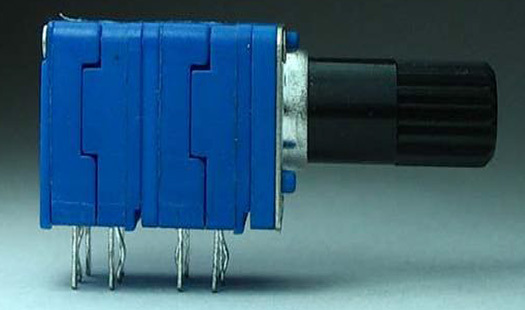
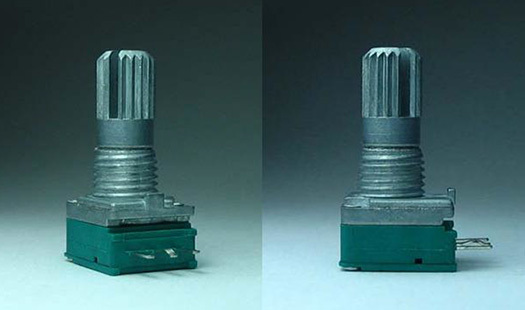
A dual gang potentiometer consists of two independent potentiometers housed within a single package. Each gang can be adjusted separately, allowing for simultaneous control of two different circuits. This feature is particularly beneficial in applications where two parameters need to be adjusted in tandem, such as in stereo audio systems where both left and right channels require equal adjustments.

The Mechanics of Dual Gang Potentiometers
To understand the functionality of dual gang potentiometers, it helps to break down their components:
- **Rotational Mechanism**: The core of the potentiometer is its shaft, which is turned to adjust the resistance.
- **Resistive Track**: As the shaft rotates, a contact wiper moves along a resistive track, altering the resistance based on its position.
- **Dual Outputs**: Each gang operates independently, allowing for two outputs from a single adjustment, enhancing efficiency in design.
Advantages of Using Dual Gang Potentiometers
Choosing a dual gang potentiometer for your project comes with several notable benefits:
1. Space Efficiency
In compact electronic designs, space is often a premium. A dual gang potentiometer consolidates two controls into one component, saving valuable PCB space. This reduces the overall footprint of the device and simplifies the layout.
2. Simplified Design
Integrating a dual gang potentiometer simplifies circuit design by reducing the number of components required. Instead of using two separate potentiometers, one dual gang component can achieve the same functionality, leading to reduced complexity in wiring and soldering.
3. Improved Synchronization
For applications that require multiple adjustments, such as audio mixing or LED brightness control, dual gang potentiometers ensure that adjustments are synchronized. This is particularly important in audio applications where maintaining balance between channels is critical.
4. Cost-Effectiveness
Using dual gang potentiometers can also lead to cost savings. Fewer components mean lower overall production costs, which can be a deciding factor in competitive markets. Additionally, the reduction in assembly time can further enhance cost efficiency.
5. Versatility in Applications
Dual gang potentiometers are versatile and can be used in a wide range of applications, from audio equipment and lighting systems to industrial controls. Their flexibility allows designers to innovate and create multifunctional devices without the need for multiple components.
Common Applications of Dual Gang Potentiometers
The versatility of dual gang potentiometers makes them suitable for numerous applications. Here are some common uses:
1. Audio Equipment
In audio applications, dual gang potentiometers are often used in mixing consoles and audio players. They allow for the simultaneous adjustment of left and right audio channels, ensuring balanced sound output.
2. Lighting Control Systems
In lighting systems, these potentiometers can adjust brightness levels for different lamps or fixtures simultaneously, providing a cohesive user experience in controlling ambient lighting.
3. Home Appliances
Many home appliances, such as ovens and washing machines, utilize dual gang potentiometers to control temperature and timer settings simultaneously, enhancing user convenience.
4. Industrial Controls
In industrial settings, dual gang potentiometers can be employed in control panels to adjust parameters like speed and torque of motors, allowing for precise control of machinery operations.
5. Robotics and Automation
In robotics, these potentiometers are used for calibrating sensors and actuators, making it easier to fine-tune performance and responsiveness of robotic systems.
Choosing the Right Dual Gang Potentiometer
When selecting a dual gang potentiometer for your project, consider the following factors:
1. Resistance Value
Determine the resistance value required for your application. Dual gang potentiometers are available in various resistance values, typically ranging from a few ohms to several megohms.
2. Taper Type
Choose between linear and logarithmic tapers based on your application needs. Linear tapers offer a consistent change in resistance, while logarithmic tapers are better suited for audio applications where human perception of sound is logarithmic.
3. Power Rating
Evaluate the power rating of the potentiometer to ensure it can handle the voltage and current of your application without overheating.
4. Physical Dimensions
Take into account the physical dimensions of the potentiometer to ensure it fits within your design constraints.
5. Quality and Reliability
Select components from reputable manufacturers to ensure reliability and longevity. High-quality potentiometers will withstand repeated adjustments and environmental conditions.
Installation and Usage Tips
Once you have selected the right dual gang potentiometer, follow these tips for optimal installation and usage:
1. Circuit Design Considerations
Incorporate appropriate circuit design practices to avoid interference and ensure proper operation. Pay attention to layout to minimize noise and signal degradation.
2. Soldering Techniques
Use proper soldering techniques to ensure secure connections. Avoid overheating the component during installation, which can damage the potentiometer.
3. Calibration
After installation, calibrate the dual gang potentiometer to ensure accurate performance. This may involve adjusting the wiper position for precise resistance values.
4. Regular Maintenance
For long-term performance, conduct regular maintenance checks. Ensure that the potentiometer is clean and free from dust or contaminants that could affect its operation.
The dual gang potentiometer is an essential component that offers significant advantages for a myriad of electronic projects. Its space-saving design, ease of use, and versatility make it an ideal choice for applications ranging from audio equipment to industrial controls. By understanding the mechanics, benefits, and applications of dual gang potentiometers, engineers and hobbyists alike can enhance their designs and create innovative solutions. Choosing the right potentiometer and following best practices for installation and maintenance will ensure optimal performance and longevity, making it a valuable addition to any project.
More Information
More Information
RECOMMENDED

Request Quote
Mobile: +86-13902648085
Email: tq@tianqiandz.com
Whatsapp: +86-19939624301
website: https://en.tianqiandz.com/


Request Quote