Dedicated to the manufacture of potentiometers, encoders, switches and sensors


How Slide Potentiometers Enhance Electronic Control Systems
Feb 13,2025
1. Introduction to Slide Potentiometers
As technology advances, the demand for precise control systems in electronic devices becomes increasingly paramount. One of the essential components enabling this precision is the **slide potentiometer**. These versatile components play a crucial role in various applications—from audio equipment to industrial machinery. Understanding slide potentiometers' significance and functionalities can greatly enhance our approach to designing and implementing electronic control systems.
2. What Are Slide Potentiometers?
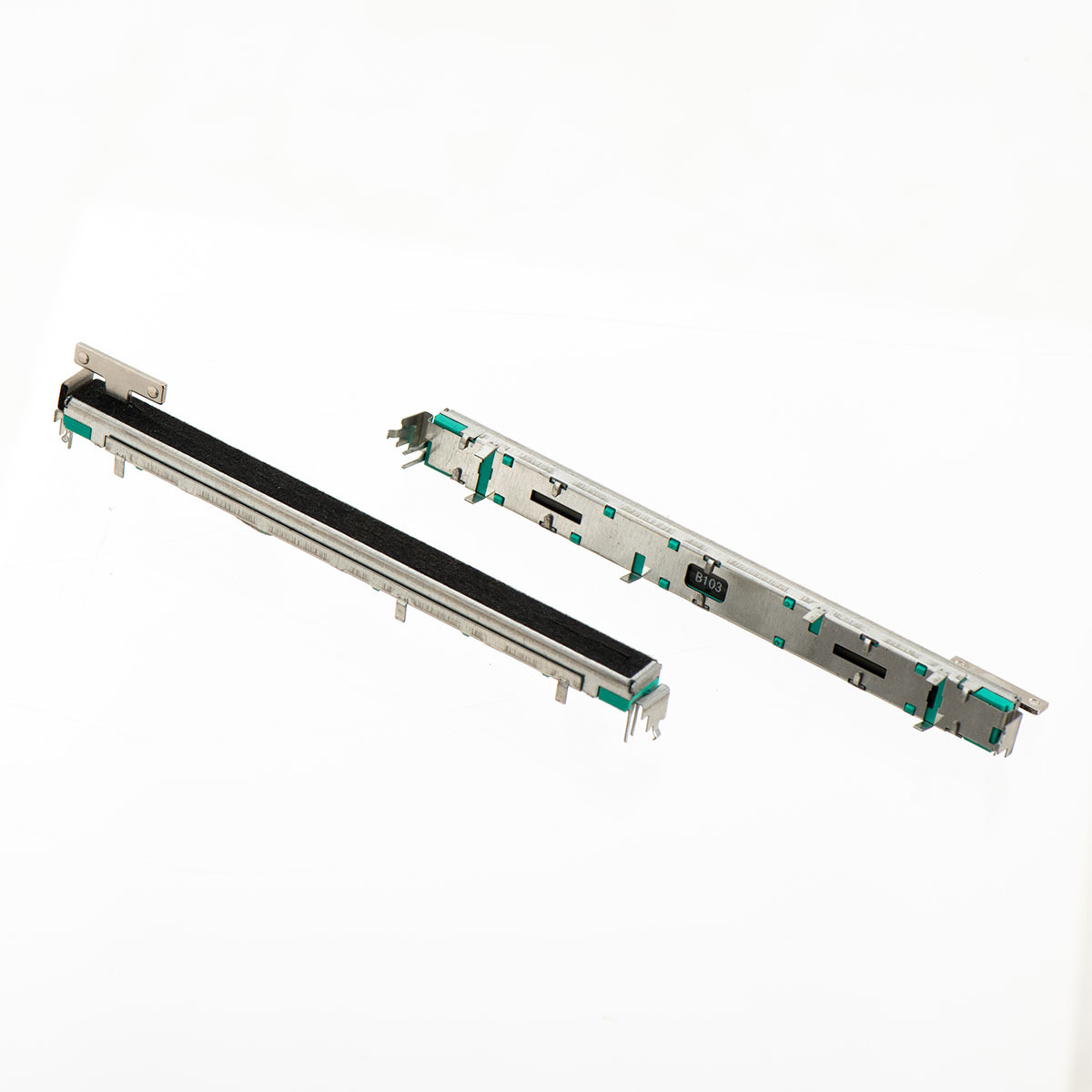
A slide potentiometer, often referred to as a slide pot, is a type of variable resistor that allows users to adjust the resistance through a sliding motion. It comprises three terminals: two fixed terminals connected to a resistive material and a movable terminal (the wiper) that slides along the resistive track. By moving the wiper, users can vary the output voltage, making slide potentiometers an integral part of analog control interfaces.
Types of Slide Potentiometers
Slide potentiometers come in various types, each designed for specific applications. The most common types include:
- **Linear Slide Potentiometers:** These are the most widely used. They provide a straight path for the wiper to travel, allowing for linear changes in resistance.
- **Logarithmic Slide Potentiometers:** Often used in audio applications, these provide a logarithmic response, which is more aligned with human hearing perception.
- **Dual Slide Potentiometers:** These allow for simultaneous adjustment of two channels, ideal for stereo audio applications.
3. Working Principle of Slide Potentiometers
The working principle of a slide potentiometer is relatively straightforward. When the user moves the slider, the wiper makes contact with the resistive element. This contact alters the path of the electrical current, thereby changing the resistance.
The voltage output can be calculated using the voltage divider rule:
**Vout = Vin * (Rw / (R1 + Rw))**
Where:
- **Vout** is the output voltage.
- **Vin** is the input voltage.
- **R1** is the resistance connected to one terminal.
- **Rw** is the resistance from the wiper to the other terminal.
This fundamental principle enables precise control over various electronic functions, making slide potentiometers indispensable in many applications.
4. Advantages of Using Slide Potentiometers in Electronic Control Systems
Slide potentiometers offer numerous advantages that make them a preferred choice in electronic control systems. Here are some key benefits:
Enhanced User Experience
Slide potentiometers provide a tactile feedback mechanism, allowing users to make precise adjustments easily. This enhances the overall user experience, particularly in applications where fine-tuning is crucial, such as audio mixing.
Versatility in Applications
These components can be used in a variety of settings, from consumer electronics to industrial controls. Their ability to handle varying loads and resistances makes them suitable for numerous applications.
Compact Design
The compact size of slide potentiometers allows for easy integration into electronic devices without requiring significant space. This compactness is particularly advantageous in portable electronic devices.
Cost-Effective Solution
Compared to other types of variable resistors, slide potentiometers tend to be more affordable, making them a cost-effective solution for manufacturers looking to optimize their production costs.
Durability and Reliability
Slide potentiometers are designed to withstand repeated use, making them durable and reliable in various environments. Their robust construction ensures longevity, reducing the need for frequent replacements.
5. Applications of Slide Potentiometers in Various Industries
The applications of slide potentiometers span across many industries, each benefiting from their unique capabilities.
Audio Equipment
In the audio industry, slide potentiometers are integral to mixing consoles, guitar amplifiers, and home audio systems. They allow sound engineers and musicians to adjust volume levels and other parameters seamlessly.
Industrial Automation
Slide potentiometers are often used in control panels for machinery and automation systems. They enable operators to adjust settings, such as speed and torque, enhancing the overall efficiency of industrial processes.
Medical Equipment
In medical devices, precision is critical. Slide potentiometers are used in instruments such as infusion pumps and diagnostic equipment, allowing for accurate control of dosages and measurements.
Consumer Electronics
From televisions to gaming consoles, slide potentiometers are widely employed in consumer electronics for volume control and other adjustable settings, providing users with a straightforward interface.
6. Installation and Usage Tips for Slide Potentiometers
Proper installation and usage of slide potentiometers can significantly affect their performance. Here are some tips:
Choosing the Right Potentiometer
Selecting the appropriate slide potentiometer for your application is crucial. Consider factors such as resistance value, taper type, and size to ensure compatibility with your system.
Correct Wiring Practices
Ensure that the wiring is done correctly to avoid short circuits or poor connections. Use quality soldering techniques for reliable connections.
Calibration
Calibrating your slide potentiometer is essential for accurate readings. Perform regular checks to ensure that the device operates within the desired parameters.
7. Troubleshooting Common Issues with Slide Potentiometers
Despite their reliability, slide potentiometers may encounter issues over time. Here are some common problems and solutions:
Intermittent Connections
If you experience intermittent connections, check for dust or debris on the resistive track. Cleaning the potentiometer may resolve this issue.
Wear and Tear
Over time, mechanical wear may affect performance. If you notice a significant degradation in response, consider replacing the potentiometer with a new one.
Inconsistent Output
If the output voltage is inconsistent, check the wiring and connections. Faulty connections can lead to erratic behavior, so ensure everything is securely attached.
8. Future Trends in Slide Potentiometer Technology
The future of slide potentiometers looks promising, with several trends emerging that could enhance their functionality and applicability.
Digital Integration
With the rise of digital technology, integrating slide potentiometers with microcontrollers and digital systems could enable more sophisticated control mechanisms, allowing for greater precision and versatility.
Smart Technologies
As the Internet of Things (IoT) continues to evolve, slide potentiometers may incorporate smart features that enable remote monitoring and control, making them even more valuable in modern electronic systems.
Environmentally Friendly Materials
The industry is moving towards sustainability, and slide potentiometers made with eco-friendly materials could become a standard, contributing to greener manufacturing practices.
9. Conclusion
Slide potentiometers are more than just simple electronic components; they are vital tools that enhance the functionality and user experience of electronic control systems. Their versatility, cost-effectiveness, and ease of use make them indispensable across various industries. As technology advances, we can expect slide potentiometers to evolve further, integrating with digital and smart technologies to meet the demands of the future. Understanding their benefits and applications will help us leverage their potential to create more efficient and user-friendly electronic systems.
More Information
More Information
RECOMMENDED

Request Quote
Mobile: +86-13902648085
Email: tq@tianqiandz.com
Whatsapp: +86-19939624301
website: https://en.tianqiandz.com/


Request Quote