Dedicated to the manufacture of potentiometers, encoders, switches and sensors


Unlocking the Potential: Affordable Potentiometer Switch Options
Mar 17,2025
Unlocking the Potential: Affordable Potentiometer Switch Options
Potentiometers play an essential role in the realm of electronics, acting as variable resistors that adjust voltage and current levels. Whether used for audio control, sensor calibration, or user interface adjustments, the demand for affordable potentiometer switch options is on the rise. In this article, we will delve into the intricacies of potentiometers, their types, applications, advantages, and how to select the most cost-effective options for your projects.
Table of Contents
- Understanding Potentiometers
- Types of Potentiometers
- Applications of Potentiometers
- Why Affordable Potentiometers Matter
- Selecting the Right Potentiometer for Your Needs
- Top Affordable Potentiometer Options
- Common Misconceptions About Potentiometers
- FAQs About Potentiometers
- Conclusion
Understanding Potentiometers
A potentiometer is a three-terminal resistor with a sliding or rotating contact that forms an adjustable voltage divider. In essence, it allows users to control electrical signals, making it an invaluable component in various electronic devices. Potentiometers can be utilized to adjust volume levels, control brightness in lights, and modify the position of servos in robotics.
The basic operation of a potentiometer involves adjusting the slider or knob that alters the resistance in the circuit. This adjustment changes the output voltage, which can be measured and utilized in numerous applications. Understanding how potentiometers work is the first step toward leveraging their potential in electronic projects.
Types of Potentiometers
Potentiometers come in various types, each serving specific purposes. The primary categories include:
1. Rotary Potentiometers
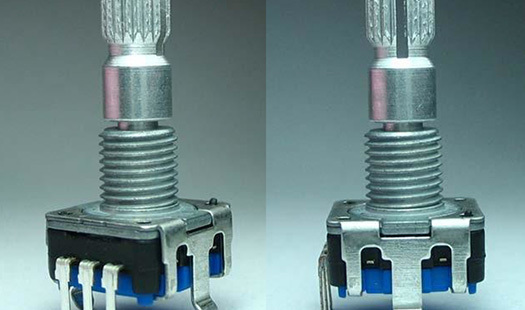
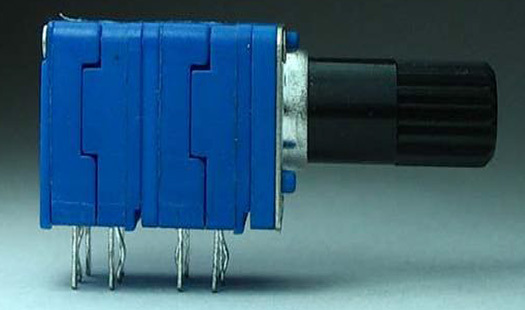
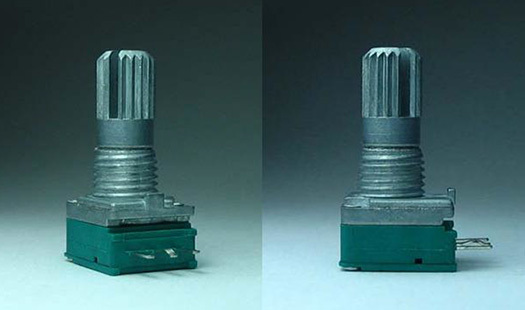
Commonly found in audio equipment, rotary potentiometers operate by turning a knob. They are widely used for volume control, tone adjustments, and other functions requiring gradual changes in resistance.
2. Linear Potentiometers
Linear potentiometers provide a straight-line adjustment of resistance. They are often used in applications such as joysticks, sliders, and other interfaces where precise control is necessary.
3. Digital Potentiometers
Digital potentiometers utilize electronic signals to adjust resistance. They are commonly employed in modern devices that require remote or automated control, such as audio systems and digital signal processors.
4. Trimmer Potentiometers
Trimmer potentiometers are small, adjustable resistors designed for calibration purposes. They are often found on circuit boards, allowing engineers to fine-tune circuits without needing to replace components.
5. Noise Potentiometers
Noise potentiometers are designed to minimize noise in electronic circuits. They are essential in applications where signal integrity is crucial, such as audio equipment and communication devices.
Applications of Potentiometers
Potentiometers find their applications across various industries, showcasing their versatility. Here are some common uses:
1. Audio Equipment
From guitar amplifiers to home audio systems, potentiometers control volume, balance, and tone. Their ability to provide smooth and precise adjustments makes them integral to the audio experience.
2. Consumer Electronics
Televisions, radios, and other consumer electronics utilize potentiometers for user interface controls. They allow users to navigate settings and preferences effortlessly.
3. Industrial Controls
In industrial settings, potentiometers regulate machinery and equipment, providing operators with the means to adjust speeds, temperature levels, and more accurately.
4. Robotics and Automation
Potentiometers are essential in robotics for position sensing and movement control. They help in determining the position of robotic arms and other actuators, ensuring precise operations.
5. Educational Projects
In educational environments, potentiometers are commonly used in experiments and projects. They provide students with hands-on experience in understanding electronic principles and circuit design.
Why Affordable Potentiometers Matter
Cost-effective potentiometer switch options can significantly impact project budgets without compromising quality. Here are some reasons why affordability matters:
1. Accessibility for Hobbyists
Affordable potentiometers enable hobbyists and students to experiment without financial constraints. Low-cost components encourage innovation and creativity in electronic projects.
2. Budget-Friendly Prototyping
For small businesses and startups, the ability to source inexpensive potentiometers can facilitate rapid prototyping. This allows teams to test ideas and iterate quickly without overspending.
3. Large Scale Manufacturing
In large-scale manufacturing, even small savings per component can lead to significant cost reductions. Affordable potentiometer options help companies remain competitive while maintaining product quality.
4. Sustainable Design Practices
Utilizing affordable potentiometers can contribute to sustainable design practices by reducing waste. Designers can create cost-effective solutions that are equally effective and environmentally friendly.
Selecting the Right Potentiometer for Your Needs
Choosing the right potentiometer involves considering several factors:
1. Resistance Value
Identify the required resistance value for your application. Potentiometers are available in various resistance ranges, so select one that meets your needs.
2. Taper Type
Potentiometers come in two primary taper types: linear and logarithmic. Linear tapers offer equal change in resistance, while logarithmic tapers are more suitable for audio applications.
3. Physical Size and Mounting Style
Consider the physical space available in your project. Potentiometers are available in various sizes and mounting styles, including panel mount and surface mount.
4. Power Rating
Ensure the potentiometer can handle the power requirements of your application. Check the power rating to avoid overheating and damage.
5. Durability and Lifespan
Evaluate the potentiometer's durability, especially for applications that involve frequent adjustments. Look for components rated for high cycles or harsh environments.
Top Affordable Potentiometer Options
Here are some of the best affordable potentiometer options currently available on the market:
1. Bourns 3386P Trimmer Potentiometer
The Bourns 3386P is a reliable trimmer potentiometer known for its compact size and affordability. It offers a variety of resistance values and is ideal for calibration in compact circuits.
2. Alpha 16MM Rotary Potentiometer
The Alpha 16MM rotary potentiometer provides smooth operation and is perfect for audio applications. Its durable construction and low cost make it a popular choice among hobbyists.
3. Vishay P11 Series Potentiometer
The Vishay P11 series offers a range of linear and rotary options suitable for various applications. Its affordability and reliability make it a favorite among manufacturers.
4. Bourns 51 Series Potentiometer
The Bourns 51 series is designed for high-performance applications. It is affordable, versatile, and widely used in audio and industrial applications.
5. CT 12MM Potentiometer
The CT 12MM is a compact, budget-friendly option that is perfect for DIY projects. Its low profile and ease of integration make it a go-to choice for many electronics enthusiasts.
Common Misconceptions About Potentiometers
Despite their widespread use, several misconceptions exist regarding potentiometers:
1. Potentiometers Are Only for Audio Applications
While often associated with audio equipment, potentiometers serve numerous functions in various electronic devices, from industrial controls to educational projects.
2. All Potentiometers Are the Same
Potentiometers vary significantly in terms of resistance values, tapers, and form factors. Selecting the wrong type can lead to poor performance or circuit failure.
3. Potentiometers Are Expensive Components
Many high-quality potentiometers are available at affordable prices. Proper research can lead to cost-effective options without sacrificing quality.
FAQs About Potentiometers
1. What is the difference between a potentiometer and a rheostat?
A potentiometer is a three-terminal device that adjusts voltage, while a rheostat is a two-terminal device used for varying current in a circuit.
2. Can potentiometers be used for digital applications?
Yes, digital potentiometers are specifically designed for use in digital applications and can be controlled via microcontrollers or other digital devices.
3. How do I determine the appropriate resistance for my potentiometer?
The appropriate resistance depends on the specific requirements of your circuit. Consult your circuit design or manufacturer specifications for guidance.
4. Are there any maintenance requirements for potentiometers?
Generally, potentiometers are low-maintenance components. However, ensuring that they are kept free from dust and moisture can prolong their lifespan.
5. Can I replace a potentiometer with a fixed resistor?
While a fixed resistor can replace a potentiometer in certain applications, you will lose the ability to adjust resistance dynamically.
Conclusion
In the world of electronics, **affordable potentiometer switch options** offer a pathway to innovation without financial strain. By understanding the types, applications, and selection criteria for potentiometers, you can unlock their potential in your projects. Whether you're a hobbyist experimenting in your workshop or a professional aiming for optimal efficiency, the right potentiometer can make all the difference. As you explore the options available, remember that affordability does not have to compromise quality; a wealth of reliable potentiometers awaits you. Embrace the versatility and functionality of potentiometers and elevate your electronic creations today!
More Information
More Information
RECOMMENDED

Request Quote
Mobile: +86-13902648085
Email: tq@tianqiandz.com
Whatsapp: +86-19939624301
website: https://en.tianqiandz.com/


Request Quote