Dedicated to the manufacture of potentiometers, encoders, switches and sensors

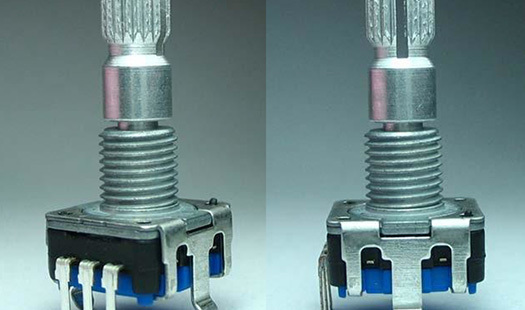
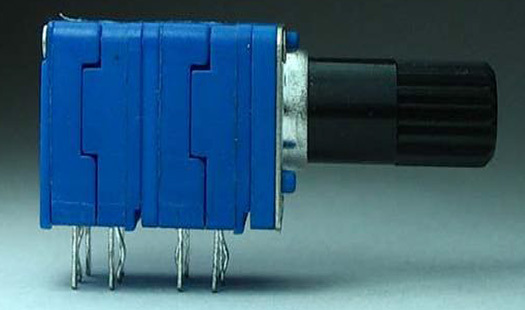

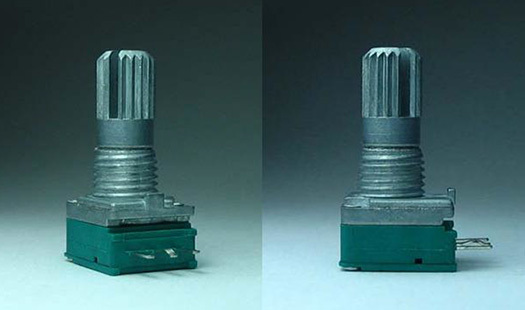
Understanding the 9mm Potentiometer: A Versatile Component in Electronics
Feb 02,2025
In the world of electronics, the potentiometer stands out as an essential component used in various applications. Among the different sizes available, the 9mm potentiometer is particularly noteworthy due to its compact size and versatile functionality. This article will delve into what a 9mm potentiometer is, how it works, and where it can be effectively employed.
A potentiometer is a three-termin
In the world of electronics, the potentiometer stands out as an essential component used in various applications. Among the different sizes available, the 9mm potentiometer is particularly noteworthy due to its compact size and versatile functionality. This article will delve into what a 9mm potentiometer is, how it works, and where it can be effectively employed.
A potentiometer is a three-terminal resistor that allows you to adjust voltage and current in a circuit. It typically comprises a resistive element and a sliding contact, known as a wiper. The wiper moves along the resistive path, dividing the voltage and enabling variable resistance. This adjustability makes potentiometers ideal for controlling various electronic parameters, such as volume in audio devices, brightness in lighting systems, and more.
The 9mm potentiometer is often favored in applications where space is limited but functionality cannot be compromised. Its compact nature makes it suitable for use in handheld devices, portable instruments, and even automotive applications. The small footprint of the 9mm potentiometer allows for efficient design in tight spaces, ensuring that devices remain lightweight and manageable without sacrificing performance.
In terms of specifications, a 9mm potentiometer usually features a standard linear or logarithmic taper, allowing for smooth transitions in resistance. The choice between linear and logarithmic tapers depends on the application; for instance, logarithmic tapers are typically used in audio applications to provide a natural volume increase, while linear tapers are often employed in precision measurements.
Installation of a 9mm potentiometer is relatively straightforward, making it accessible for both professional engineers and DIY enthusiasts. These components are typically designed for easy integration into circuit boards, with pins that can be soldered directly onto PCB layouts. Additionally, many 9mm potentiometers come with a variety of shaft shapes and lengths, ensuring compatibility with different knobs and interfaces, thus catering to user preferences.
When considering the use of a 9mm potentiometer, it is essential to understand their rated power and resistance values, as these factors will impact their performance in various applications. Common resistance values range from a few ohms to several megaohms, and selecting the appropriate value for your specific use case is crucial for optimal functionality.
In conclusion, the 9mm potentiometer is a compact yet powerful component that serves multiple roles in electronic applications. Its adjustable nature, ease of installation, and adaptability to different devices make it an invaluable tool in the design and engineering of modern electronics. Whether you are designing a new product or repairing an existing device, understanding the capabilities of the 9mm potentiometer can enhance your approach to electronic solutions.
More Information
More Information
RECOMMENDED

Request Quote
Mobile: +86-13902648085
Email: tq@tianqiandz.com
Whatsapp: +86-19939624301
website: https://en.tianqiandz.com/


Request Quote