Dedicated to the manufacture of potentiometers, encoders, switches and sensors


The Advantages of a Premium 10-Position Rotary Switch for Musical Instruments
Oct 29,2025
1. Introduction to 10-Position Rotary Switches
In the realm of musical instruments, the 10-position rotary switch serves as a remarkable component that greatly enhances versatility and functionality. Musicians and producers alike value the unique capabilities that these switches offer, enabling intricate sound manipulations and seamless transitions between various settings. As we delve into the intricacies of 10-position rotary switches, we will explore their construction, benefits, and applications in musical instruments.
2. What is a Rotary Switch?
A rotary switch is an electrical component used to control electrical circuits, allowing the user to select from multiple positions or configurations. Essentially, it enables the flow of electricity to different circuits depending on the switch's position. This functionality is critical in various electronic devices, including musical instruments, where it can manage tone settings, effects, and other features.
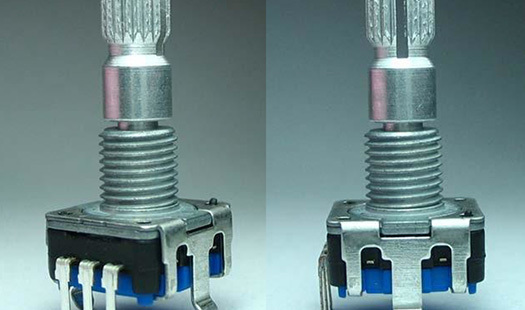
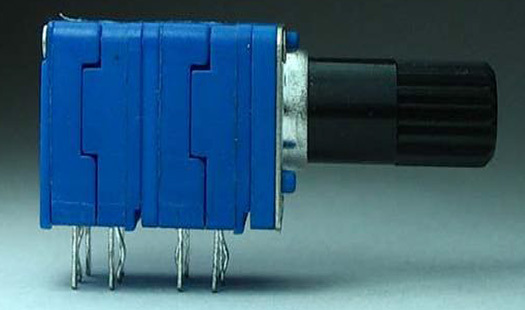
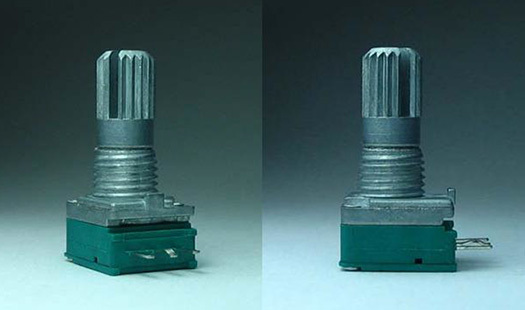
Rotary switches come in different configurations, with the 10-position switch being particularly popular among musicians for its ability to offer multiple settings in one compact unit. The design typically features a rotating shaft that aligns with various contact points, each representing a specific function or setting.

3. Importance of 10-Position Rotary Switches
The significance of 10-position rotary switches in musical instruments lies in their ability to enhance user experience and control. With ten distinct settings, musicians can access a wide range of tones and effects, making them an invaluable tool for experimentation and creativity. The precise control offered by these switches can lead to unique soundscapes and performances that are as dynamic as they are engaging.
Moreover, a well-designed rotary switch contributes to the overall reliability and durability of the instrument, ensuring that musicians can focus on their craft without worrying about equipment malfunctions.
4. Benefits of Using a Quality 10-Position Rotary Switch
Investing in a quality 10-position rotary switch comes with several advantages that can enhance both the performance of the instrument and the musician's experience.
4.1 Enhanced Functionality
One of the primary benefits of a quality 10-position rotary switch is its enhanced functionality. This component allows for smooth transitions between settings, providing musicians with the ability to change tones or effects instantly during performances. Whether switching from clean to distorted sounds in a guitar or varying synthesizer settings, the rotary switch offers unparalleled control.
4.2 Improved Sound Quality
A well-constructed rotary switch can also lead to improved sound quality. Quality switches ensure stable connections, minimizing the risk of signal degradation. This reliability is crucial for professional musicians who depend on consistent performance during live shows and studio recordings. Clean signal paths and minimal interference can significantly impact the overall sound, making it essential to choose high-quality components.
4.3 Versatility in Instrument Design
Quality 10-position rotary switches contribute to versatility in instrument design. They can be integrated into various types of instruments, from electric guitars and basses to keyboards and mixers. This adaptability allows instrument manufacturers to design products that cater to a wide range of musical genres and playing styles, ultimately promoting creativity among musicians.
5. Applications of 10-Position Rotary Switches in Musical Instruments
The applications of 10-position rotary switches in musical instruments are vast and varied, each offering unique advantages tailored to specific needs.
5.1 Guitars
In guitars, 10-position rotary switches are often used to select different pickup configurations, allowing players to access a diverse range of tones. This feature empowers guitarists to experiment with their sound, enabling everything from bright, cutting leads to warm, mellow chords.
5.2 Keyboards
For keyboards, these switches allow users to quickly toggle between various presets, effects, or instrument sounds. Musicians can effortlessly switch from a grand piano sound to a synthesizer or organ tone, enhancing their live performance capabilities and creative expression.
5.3 Mixers
In mixers, a 10-position rotary switch can control audio routing and effects application, providing sound engineers with fine-tuned control over their mixes. This adaptability is crucial for achieving the desired sound in both live settings and studio recordings.
6. Choosing the Right 10-Position Rotary Switch
Selecting the right 10-position rotary switch involves considering several factors that can significantly impact performance and reliability. Here are key aspects to keep in mind:
- Material Quality: Opt for switches made from durable materials to ensure longevity and consistent performance.
- Contact Configuration: Choose switches with reliable contact configurations suited for your specific application, whether for audio signals or control circuits.
- User-Friendly Design: Look for switches that enable easy operation, particularly during live performances where speed is critical.
- Brand Reputation: Consider reputable brands known for producing high-quality components that meet industry standards.
By carefully evaluating these factors, musicians can select a rotary switch that enhances their instrument's performance and meets their unique needs.
7. Installation and Maintenance of Rotary Switches
Proper installation and maintenance of a 10-position rotary switch are crucial for optimal performance. Here are some steps to ensure a successful installation and long-term functionality:
- Installation: Follow the manufacturer's instructions for wiring and mounting the switch. Ensure that connections are secure and correctly aligned with the circuit.
- Regular Cleaning: Dust and debris can accumulate over time, impacting the switch's performance. Regularly clean the switch with appropriate tools, such as a soft brush or compressed air.
- Periodic Testing: Routinely test the switch to identify any irregularities or malfunctions. Early detection can prevent more significant issues down the line.
By adhering to these practices, musicians can maximize the lifespan and functionality of their rotary switches.
8. Common Issues and Troubleshooting
Despite their reliability, 10-position rotary switches can encounter issues. Here are some common problems and their solutions:
- Intermittent Connections: If the switch experiences intermittent sound, ensure that all wiring connections are secure and free from corrosion.
- Noise or Crackling Sounds: This may indicate dirty contacts. Clean the switch as outlined above to restore clear sound.
- Stiff Operation: If the switch feels stiff or difficult to turn, check for obstructions or consider replacing the switch if the problem persists.
Proactive troubleshooting can help maintain optimal performance and extend the switch's lifespan.
A quality 10-position rotary switch is a vital component in the world of musical instruments, offering musicians enhanced functionality, improved sound quality, and versatile design applications. By investing in high-quality switches and adhering to proper installation and maintenance practices, musicians can unlock new levels of creativity and performance. The potential for sound exploration and customization through these switches is vast, making them an invaluable addition to any musician's toolkit. Embracing the versatility of a premium 10-position rotary switch can truly transform the musical experience.
More Information
More Information
RECOMMENDED

Request Quote
Mobile: +86-13902648085
Email: tq@tianqiandz.com
Whatsapp: +86-19939624301
website: https://en.tianqiandz.com/


Request Quote