Dedicated to the manufacture of potentiometers, encoders, switches and sensors

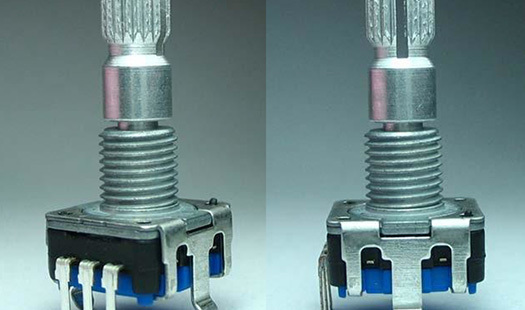
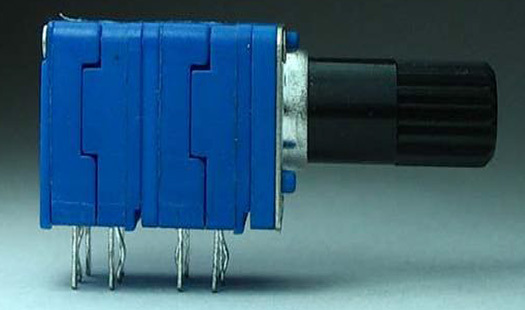

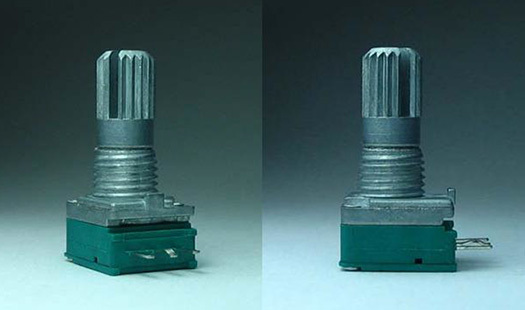
Potentiometers: The Unsung Heroes of Electronics
Potentiometers
What Are Potentiometers?
Ah, potentiometers! They might not be household names, but they play a crucial role in the world of electronics. Essentially, a potentiometer is a variable resistor that allows you to adjust voltage levels. Think of it as the volume knob on your favorite stereo—turn it up to blast your tunes, or dial it down for some peace and quiet.
How Do They Work?
At its core, a potentiometer consists of three terminals: two fixed ends and a movable middle terminal (the wiper). When you turn the knob, the wiper slides along a resistive element, changing the resistance and, consequently, the output voltage. Voila! You’ve got control over your electrical signals.
Types of Potentiometers
Just like ice cream comes in various flavors, potentiometers come in several types, each with its unique features and applications:
1. Linear Potentiometers
These beauties have a straight resistive element. As you move the wiper, the resistance changes linearly. They're often used in applications like audio equipment where a smooth transition is desired.
2. Rotary Potentiometers
These are the classic knobs you see on appliances. They rotate to change resistance and are commonly found in everything from radios to dimmer switches.
3. Digital Potentiometers
With technology evolving at lightning speed, digital potentiometers have entered the scene. They can be controlled via signals from a microcontroller, making them perfect for modern electronics.
Applications in Everyday Life
From controlling the brightness of your living room lights to adjusting the sound levels on your favorite playlist, potentiometers are everywhere! Here are a few common applications:
- Audio Equipment: Used for volume control and tone adjustments.
- Consumer Electronics: Found in TVs, radios, and gaming consoles to enhance user experience.
- Measurement Devices: Employed in sensors and gauges to fine-tune readings.
Potentiometers vs. Other Resistors
Now, you might be wondering how potentiometers stack up against regular resistors. Well, here’s the scoop: while fixed resistors provide a constant resistance, potentiometers allow for adjustable resistance, giving you the flexibility to customize voltage levels as needed. It’s like having a Swiss Army knife in your electronic toolbox!
Conclusion
In the grand scheme of things, potentiometers may not steal the spotlight, but they certainly deserve a round of applause. Whether you’re tweaking settings on a gadget or designing your own electronic project, understanding how these devices work can take your skills to the next level. So next time you turn a knob, remember the little hero inside making it all happen!
Potentiometers
Request Quote
Mobile: +86-13902648085
Email: tq@tianqiandz.com
Whatsapp: +86-19939624301
website: https://en.tianqiandz.com/


Request Quote