Dedicated to the manufacture of potentiometers, encoders, switches and sensors

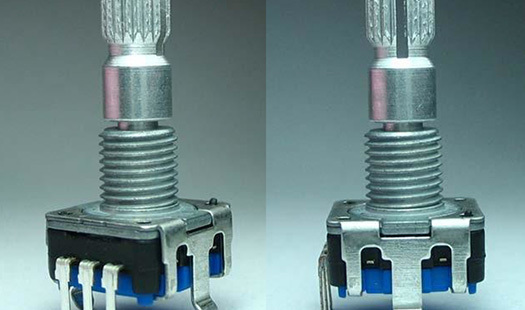
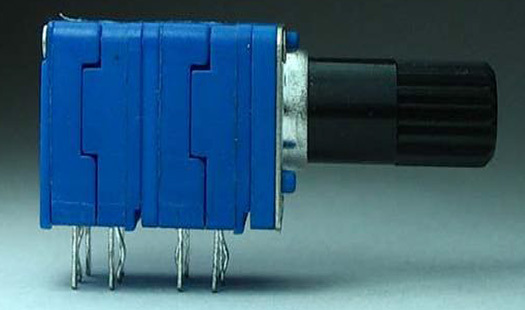

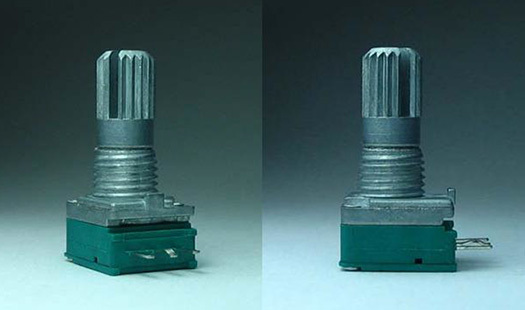
Unlocking Control: A Deep Dive into Potentiometers
Potentiometers
What Are Potentiometers?
Potentiometers, often affectionately referred to as "pots" in the electronics world, are devices that allow you to adjust the resistance in a circuit. Think of them as the volume knobs of your favorite stereo system. Just like turning the knob can amplify or diminish sound, a potentiometer can control the flow of electricity, making it a fundamental component in various electronic applications.
How Do They Work?
At their core, potentiometers consist of three terminals: two connected to a resistive element and one connected to a wiper. When you turn the knob or slide the control, the wiper moves along the resistive path, changing the resistance and thereby adjusting the voltage output. It’s really as simple as that! Who knew something so small could wield such power?
Types of Potentiometers
Now, let’s get into the nitty-gritty. Potentiometers come in various shapes and sizes, each serving different purposes. Here’s a rundown:
- Linear Potentiometers: These have a straight resistive element, allowing for smooth adjustments.
- Logarithmic Potentiometers: Often used in audio applications, these provide a more natural feel for volume control.
- Digital Potentiometers: The tech-savvy cousin, these are controlled by digital signals rather than manual adjustment!
Applications Galore!
So, where do you find these nifty components? Well, they’re everywhere! From home audio systems to guitar pedals, and even in medical devices, potentiometers play a crucial role. They’re also used in robotics, allowing for precise control over movement. You can’t swing a cat without hitting a potentiometer in today’s tech landscape!
Why Choose Potentiometers?
With a myriad of options available, why should you consider using potentiometers in your next project? Flexibility is the name of the game. They offer precise control, are easy to integrate, and are available in various specifications to suit your needs. Plus, they’re affordable! Talk about a win-win.
Installation Tips
Alright, let’s not beat around the bush. Installing potentiometers can be a breeze if you know what you’re doing. Here are some handy tips:
- Make sure to check the resistance value you need before buying.
- When soldering, work quickly to avoid overheating.
- Test connections before finalizing your setup to avoid any hiccups!
Common Mistakes to Avoid
Even the best of us make mistakes, right? When working with potentiometers, here are a few pitfalls to steer clear of:
- Using a pot with the wrong resistance value for your application.
- Neglecting to secure the potentiometer properly, leading to unwanted movement.
- Not double-checking your wiring before powering up—yikes!
Final Thoughts
Potentiometers are undeniably versatile and essential in the realm of electronics. Whether you’re tweaking the sound of your favorite tracks or fine-tuning a robot’s movements, these little heroes are always up for the task. So next time you reach for that volume knob or adjust a dial, remember the magic of potentiometers working behind the scenes. Happy tinkering!
Potentiometers
Request Quote
Mobile: +86-13902648085
Email: tq@tianqiandz.com
Whatsapp: +86-19939624301
website: https://en.tianqiandz.com/


Request Quote